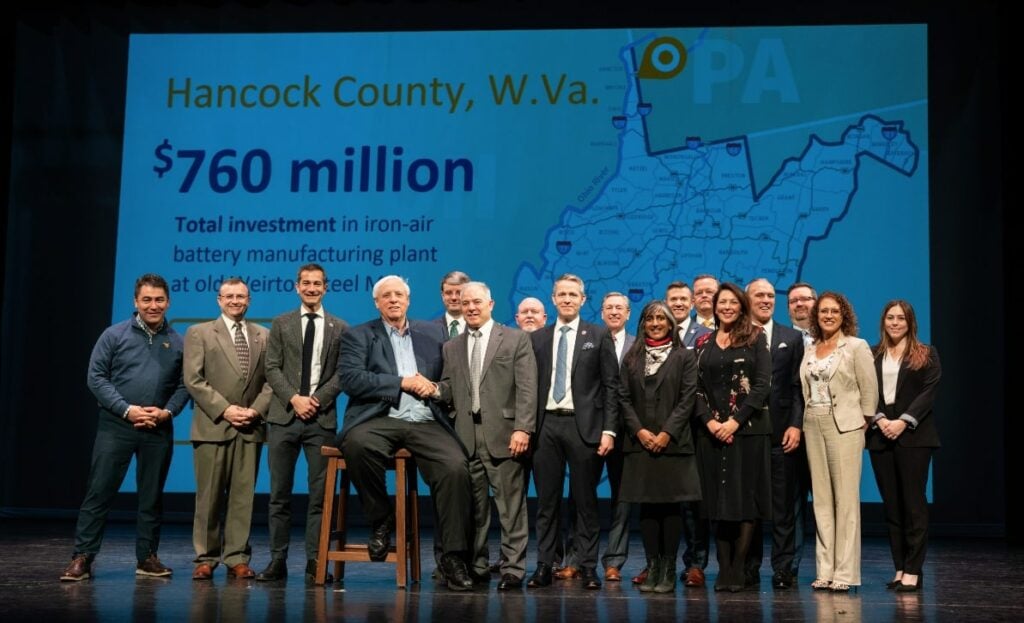
Form Energy has chosen a site in West Virginia, US, to manufacture its multi-day iron-air battery with a total investment of up to US$760 million.
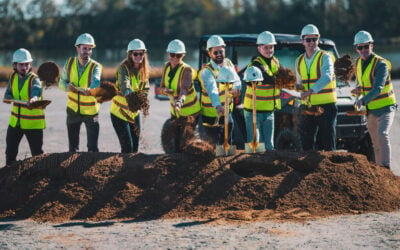
The company will partner with the state of West Virginia to build its first manufacturing facility on a 55-acre site in the city of Weirton, a former national leader in steel production located along the Ohio River.
Construction will begin this year with a 2024 target for commercial manufacturing of its iron-air battery, which is based on a proprietary technology which CEO Mateo Jaramillo discussed with Energy-Storage.news in an interview from 2021.
A total of up to US$760 million will be invested in the site, creating 750 new full-time jobs. The state also structured a financial incentive package worth up to US$290 million to convince Form Energy to choose the site, governor Jim Justice said.
Try Premium for just $1
- Full premium access for the first month at only $1
- Converts to an annual rate after 30 days unless cancelled
- Cancel anytime during the trial period
Premium Benefits
- Expert industry analysis and interviews
- Digital access to PV Tech Power journal
- Exclusive event discounts
Or get the full Premium subscription right away
Or continue reading this article for free
“The funds put toward this project are guaranteed, secured, and collateralised through ownership of all land and buildings by the state. The West Virginia Economic Development Authority allocated $75 million toward the purchase of land and the construction of buildings in Weirton this morning. I plan on working with the West Virginia Legislature and our federal partners to obtain an additional $215 million needed to finalise our agreement,” he added.
The manufacturing facility announcement comes a few months after Form Energy grew its total investment to US$800 million with a US$450 million Series E, reported by Energy-Storage.news at the time. The round was led by one of private equity firm TPG’s impact investment funds, the TPG Rise fund.
The company claims its battery technology can provide 100 hours of energy storage duration or more, which will help electricity grids to reliably run on renewable energy throughout the year. It is set to bring a 1MW/150MWh pilot system online this year with Minnesota utility Great River Energy while in February last year it began talks with Georgia Power for a potential 15MW/1,500MWh system.
Energy-Storage.news’ publisher Solar Media will host the 5th Energy Storage Summit USA, 28-29 March 2023 in Austin, Texas. Featuring a packed programme of panels, presentations and fireside chats from industry leaders focusing on accelerating the market for energy storage across the country. For more information, go to the website.