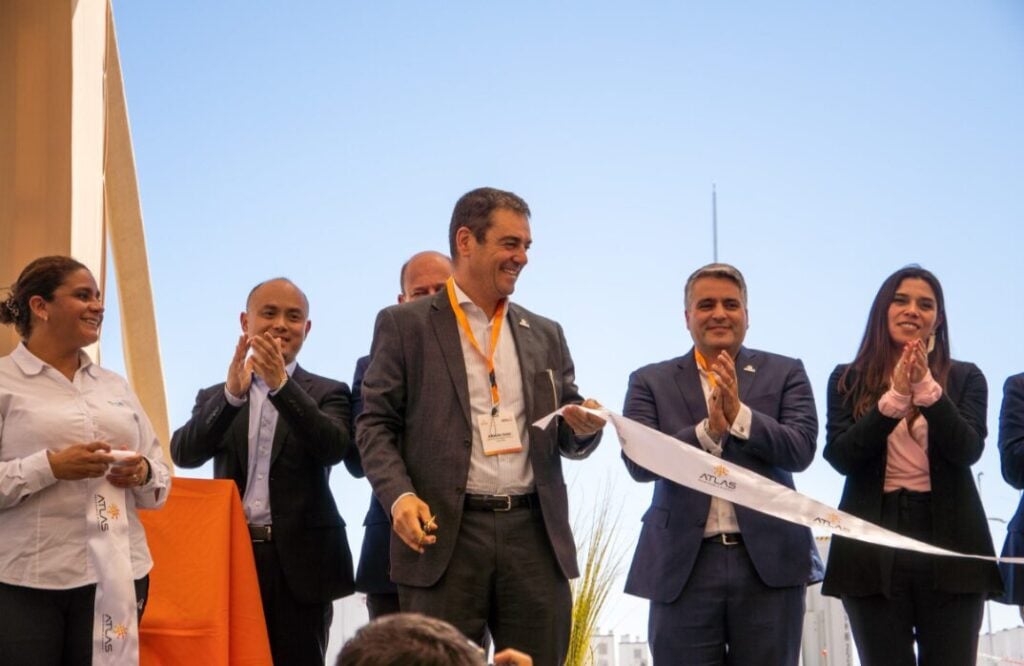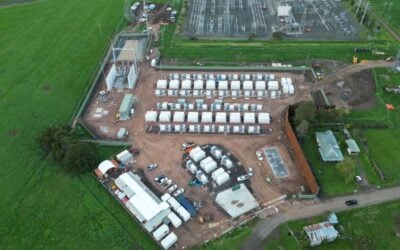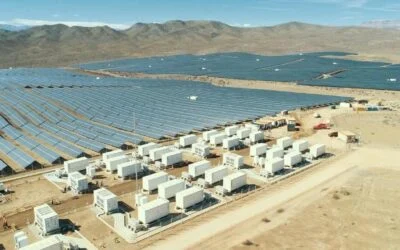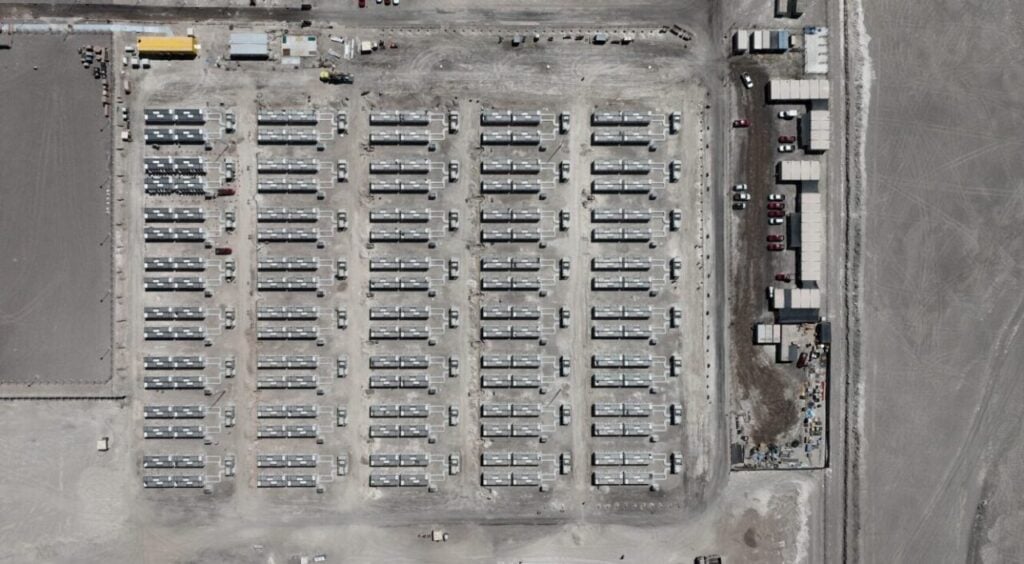
Atlas Renewable Energy has inaugurated a 200MW/800MWh BESS project in Chile, which it claimed is the ‘first large-scale standalone BESS’ in the country and the wider Latin American region.
The inauguration of the 4-hour battery energy storage system (BESS) project last week (24 April) was attended by high-profile industry and political leaders, including the Minister of Energy in Chile, Diego Pardow.
Construction started on the project in 2024, when Atlas entered into a 15-year power purchase agreement (PPA) with EMOAC, the energy trading arm of mining and forestry group COPEC, for its offtake. EMOAC will use part of the energy to power 27 electric bus charging terminals, capable of powering 2,500 electric buses, it said.
The BESS del Desierto is located next to Atlas’ 230MW Sol de Desierto solar project but has been built and will operate completely independently, Atlas said. It comprises 320 BESS units.
Try Premium for just $1
- Full premium access for the first month at only $1
- Converts to an annual rate after 30 days unless cancelled
- Cancel anytime during the trial period
Premium Benefits
- Expert industry analysis and interviews
- Digital access to PV Tech Power journal
- Exclusive event discounts
Or get the full Premium subscription right away
Or continue reading this article for free
Energy Minister Diego Pardow, said: “Today, 950MW are in operation, and with the Desierto BESS, we will surpass that threshold. By January 2026, we will have reached a goal that was initially projected to take five years. This is the only standalone project with 100% of its contracted capacity, which required a significant effort from a financial and legal standpoint.”
The projects that make up the bulk of that 950MW figure are:
- first two phases of the huge Oasis de Atacama project from Grenergy
- Two from AES: Andes Solar IIb and Andes Solar Park IV
- Two from Engie: Coya and Tamaya
- Three from Innergex: San Andres 1 and 2 and Salvador
- One from Colbun
Virtually all grid-scale BESS projects in Chile are located along solar PV projects, but often operate independently with their own grid connection. Atlas’ claim of this being the ‘first’ large-scale standalone therefore may mean it is the largest to be built in this way, though it is unlikely to be the first grid-scale one.
Chile is deploying BESS to help reduce sky-high solar curtailment and decarbonise its energy system.
Last week saw Atlas announce it has secured US$510 million in financing for a solar-plus-storage project in Chile. The firm’s head of execution Alex Monzo gave an interview to Energy-Storage.news in July 2024 about the challenges in executing projects, notably a scarcity of contractors (Premium access article).
See a treemap of all the BESS projects in Chile that Energy-Storage.news is aware of, totalling just over 1GW of power and around 5GWh of capacity.