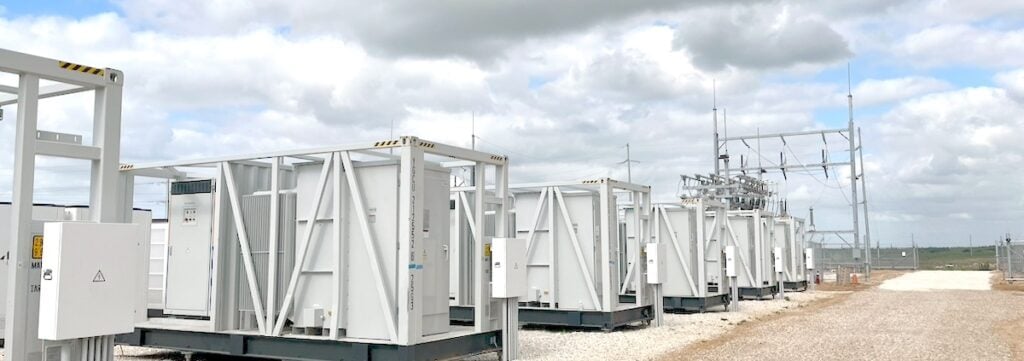
US developer Atlas Renewable Energy has signed a power purchase agreement (PPA) with COPEC, a Chilean energy and forestry company, to deploy a 200MW/800MWh battery energy storage system (BESS) in Chile.
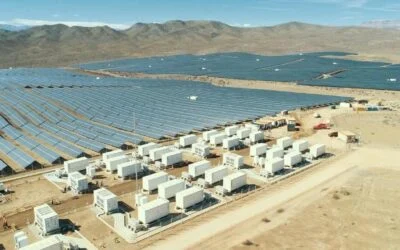
The 4-hour duration project, BESS del Desierto will be installed next to Atlas’ 230MW Sol de Desierto solar project in the Antofagasta region. However, the BESS will not be connected directly to the solar farm, and Atlas described the new facility as an “independent and autonomous solution” designed to distribute power to the Chilean grid.
The deal was signed with EMOAC, which has worked as COPEC’s energy trader since 2020, and will last for 15 years, but Atlas did not announce when it expects to begin commercial operation of the BESS. The company has already contracted 5.2GW of renewable capacity in Latin America, and the deal follows a number of other investments into the region, including the signing of a PPA with mining company Codelco for “24/7 renewable energy” earlier this month.
“The BESS del Desierto project is a key part of our strategy to enhance energy reliability in the region through advanced solar resource utilisation and offer customised energy solutions to our clients,” said Carlos Barrera, CEO of Atlas Renewable Energy.
Try Premium for just $1
- Full premium access for the first month at only $1
- Converts to an annual rate after 30 days unless cancelled
- Cancel anytime during the trial period
Premium Benefits
- Expert industry analysis and interviews
- Digital access to PV Tech Power journal
- Exclusive event discounts
Or get the full Premium subscription right away
Or continue reading this article for free
This latest development in the Chilean storage sector follows Engie’s launch of commercial operations at a 139MW/638MWh BESS earlier this month, also in Antofagasta. Spanish firm Ingeteam has also announced a collaboration with Grenergy on the Oasis de Atacama project, a solar-plus-storage project that is expected to have a storage capacity of 4.1GWh, the largest of any facility in the world.
These investments come as Chile looks to significantly expand both its renewables and storage sectors, with the government aiming to meet 70% of its energy demand from renewables by the end of the decade. Research firm Interact Analytics forecasts Chile to add more than 1GW of new storage capacity to the national grid each year between 2024 and 2026 to minimise the variability of these renewable power investments.