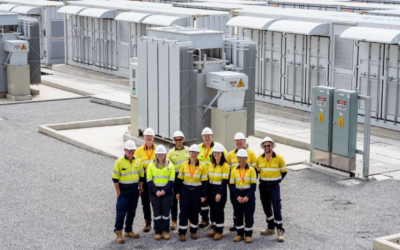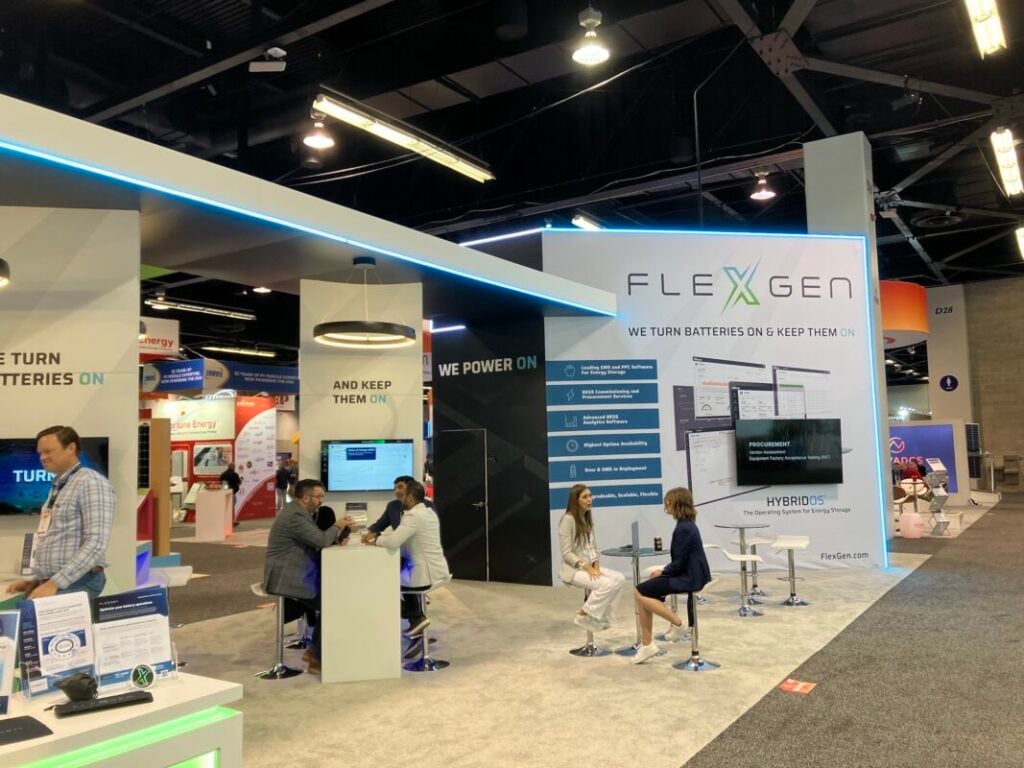
Software-focused energy storage system integrator FlexGen will serve as the integrator of MN8 Energy’s solar-plus-storage project in Kanawha, West Virginia, US, using solutions from Eos Energy Enterprises.
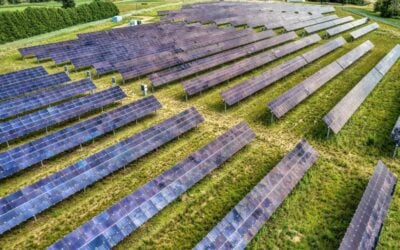
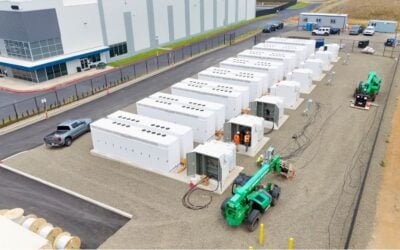
Announced on 11 November, FlexGen is serving as the integrator on the Mammoth Solar project owned and operated by the renewables developer-operator, which combines 86MW of utility-scale solar with 70MW/280MWh of lithium-ion (Li-ion) battery energy storage system (BESS) capacity and 10MW/100MWh of Eos’ zinc hybrid cathode battery and storage solution.
The companies stated that the Mammoth Solar project combines utility-scale solar with short- and long-duration energy storage (LDES) to expand the availability of round-the-clock clean power for local digital infrastructure.
As the integrator for West Virginia’s first utility-scale zinc-based LDES deployment, FlexGen will provide its HybridOS energy management software (EMS), balancing control, analytics, and design flexibility to help the site meet current and future challenges.
Try Premium for just $1
- Full premium access for the first month at only $1
- Converts to an annual rate after 30 days unless cancelled
- Cancel anytime during the trial period
Premium Benefits
- Expert industry analysis and interviews
- Digital access to PV Tech Power journal
- Exclusive event discounts
Or get the full Premium subscription right away
Or continue reading this article for free
FlexGen stated that through its ‘One Touch Commissioning,’ the company’s BESS activation process, critical system integrations are tested and validated at its North Carolina lab before the hardware ships to the site.
By identifying and resolving integration challenges early, FlexGen claims it can streamline field commissioning and reduce project delays. For complex, multifaceted projects like the Mammoth Solar campus, FlexGen also claimed its Remote Operations Centre (ROC) provides overnight support to keep commissioning activities moving forward, even when field teams are off-site.
The project was announced on 2 September, with MN8 stating that the tech giant Google would back it. The solar portion is expected to reach commercial operation in 2028, with the Li-ion BESS and LDES solution following in 2029 and 2030, respectively.
Under the agreement, Google will purchase the project’s energy, capacity, and clean energy attributes, “advancing the company’s commitment to bring new capacity to the grids where it operates.”
In October, Google announced an expanded agreement with Voltus, a distributed energy resource (DER) platform, to build a 1GW virtual power plant (VPP) in PJM. Voltus aggregates flexible capacity from local businesses and homes — including smart thermostats, residential BESS and industrial assets — into a Google-funded VPP.