Energy Plug Technologies and the Malahat Nation have confirmed that construction has started on Canada’s first indigenous-led energy storage gigafactory in Mill Bay, British Columbia.
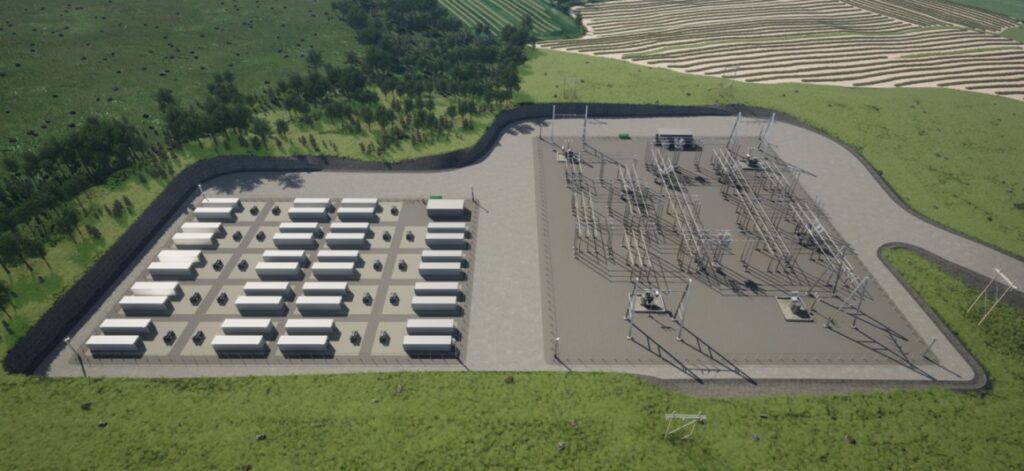
The site, which targets a battery production output of 1GWh per year, will develop battery energy storage systems (BESS) for residential, commercial, utility, and data centres across North America. It will be situated in the Malahat Business Park, owned by the local indigenous population.
According to the organisations, the project will cost around CA$75 million (US$55.29 million), with contributions from the First Nations Finance Authority, the Malahat Nation, Energy Plug, and private investors.
Once complete, the gigafactory will operate under the Malahat Battery Technologies Limited Partnership, a joint venture 51% owned by the Malahat Nation and 49% by Energy Plug Technologies.
Try Premium for just $1
- Full premium access for the first month at only $1
- Converts to an annual rate after 30 days unless cancelled
- Cancel anytime during the trial period
Premium Benefits
- Expert industry analysis and interviews
- Digital access to PV Tech Power journal
- Exclusive event discounts
Or get the full Premium subscription right away
Or continue reading this article for free
Siemens Canada, Johnson Controls Canada, Wales McLelland Construction, and Taiwan-based Enwind Power will support the construction of the gigafactory, as well as the energy management, electrical products, and battery products.
It is hoped the gigafactory will be fully constructed in the fourth quarter of 2025.
Broderick Gunning, CEO of Energy Plug, expressed the company’s honour in partnering with the Malahat Nation and its support in helping make history.
“We are also strengthened by the collaboration and support of Siemens Canada and Johnson Controls Canada, global brands with expertise and experience in building and operating large factories, as well as implementing energy storage and management systems.”
Earlier this year, Energy-Storage.news reported that Canada Infrastructure Bank’s (CIB’s) loan for a large-scale battery energy storage portfolio meant indigenous communities could hold a stake in it.
CIB announced the investment in mid-February, marking the bank’s first commitment to date under its Indigenous Equity Initiative. The scheme aims to enable First Nation, Métis, and Inuit communities to hold ownership stakes in projects in which CIB is also investing.
Justin Wahid Rangooni, executive director of national trade association Energy Storage Canada, said: “Equitable partnerships with indigenous communities and securing their active participation in the modernisation of Canada’s grids, including the integration of energy storage, will be key to achieving Canada’s net-zero goals and ensuring a sustainable future for all Canadians.”
With the factory’s groundbreaking ceremony in late August, last week Energy Plug announced a new chief technology officer (CTO). Dr. Ramtin Rasoulinezhad will oversee the development of products, pilot projects, and commercial relationships. The company also said it intends to close a CA$1 million third tranche of a private placement by 30 September, adding to CA$681,000 raised to date pursuant to the placement.