Following recent reports that newly accessed geothermal power resources in California could also provide access to lithium as a valuable by-product, a pilot facility is now in development.
Resource developer Controlled Thermal Resources (CTR) recently signed a power purchase agreement (PPA) for 40MW of geothermal energy with Imperial Irrigation District, a water – and energy – provider in Southern California.
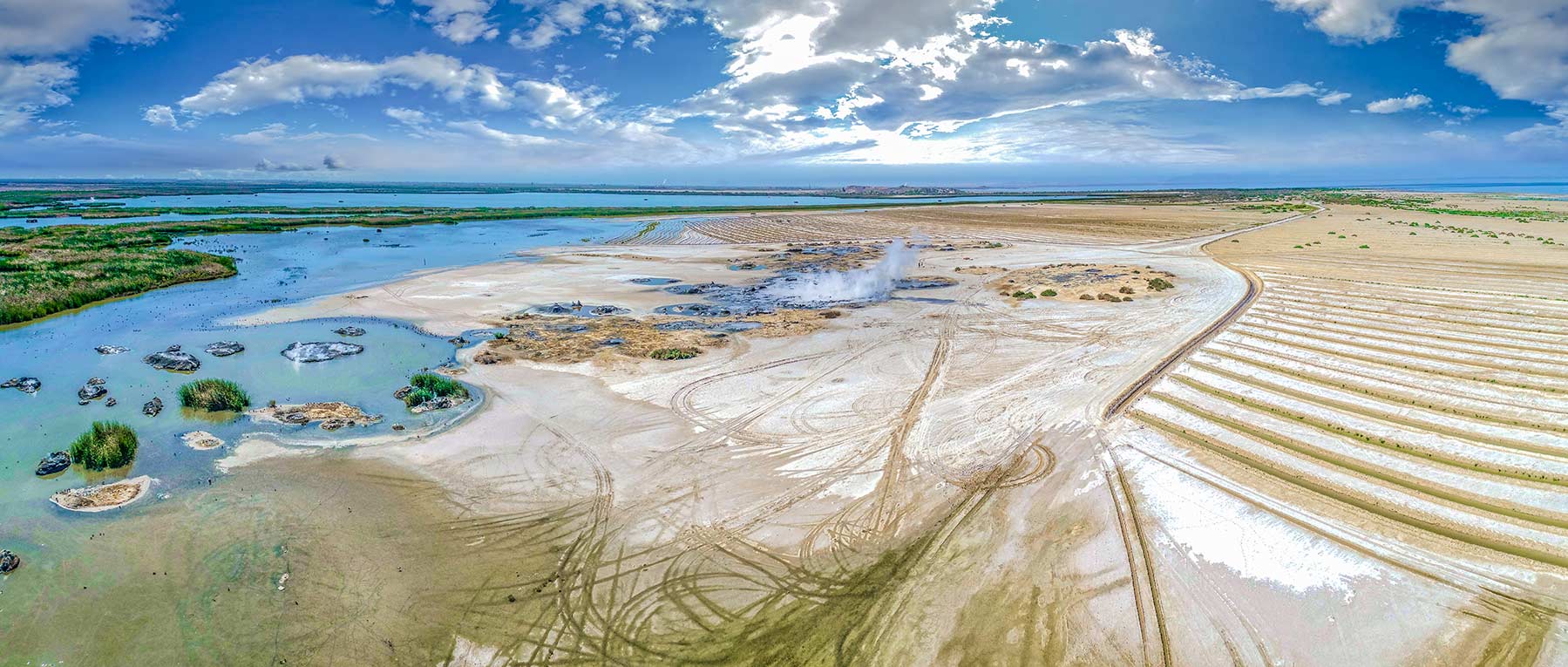
CTR is also now creating Hell’s Kitchen Co, facilities for lithium extraction and chemical processing at its geothermal plant at Imperial Valley’s shallow, saline Salton Sea. CTR has now partnered with technology provider Lilac Solutions, which has its own proprietary ion exchange technology, to open up a pilot plant to extract lithium from the run-off geothermal brine.
Expected to be up and running and able to deliver 17,350 tonnes of lithium carbonate to battery grade, the plant is being built with a potential scale-up of up to 34,700 tonnes lithium carbonate equivalent (LCE) per year by 2025 in mind. The partners claim it will be cheaper and more environmentally friendly than competing plants and processes for lithium extraction.
Try Premium for just $1
- Full premium access for the first month at only $1
- Converts to an annual rate after 30 days unless cancelled
- Cancel anytime during the trial period
Premium Benefits
- Expert industry analysis and interviews
- Digital access to PV Tech Power journal
- Exclusive event discounts
Or get the full Premium subscription right away
Or continue reading this article for free
Using renewable energy to process geothermal brines for direct lithium extraction, the plant should be able to run 24/7 and without big requirements for water. The process, according to a press release, apparently takes “weeks, not months to produce high purity lithium products”,
“Lilac has taken a fundamentally different approach to extraction of lithium from Salton Sea geothermal brine using unique ion exchange beads developed by our team in Oakland in contrast to prior work by others to adapt conventional aluminium-based absorbents which have not performed well in this application,” said Lilac Solutions’s CEO and founder Dave Snydacker.
Bill Gates’s Breakthrough Energy Ventures investing US$20 million
Lilac Solutions claims to have performed numerous independently verified large-scale tests that prove the technology to be cleaner and faster as well as cheaper and more scalable than existing extraction methods including mining.
“Our technology offers exceptionally high lithium recovery and lithium selectivity, enabling low cost production, and we have proven these results with thousands of hours of test work on the Salton Sea geothermal brine chemistry,” the company claimed.
The pilot will benefit from US$20 million investment by Bill Gates’s Breakthrough Energy Ventures, which also counts Alibaba’s Jack Ma, Amazon’s Jeff Bezos and Bloomberg’s Michael Bloomberg among its investors.
Energy-Storage.news reported in February that the California Energy Commission held an event discussing the extraction of lithium from geothermal brine, focusing on creating a “world-class lithium industry” in the US state.
As well as it being a “unique opportunity” to recover battery-grade lithium, the CEC said it was excited by the prospect of creating a “more environmentally-sound lithium product, coupled with geothermal electricity production”.
CTR’s CEO Rod Colwell referred to media interest in “concerns around the environmental impacts of hard rock mining, evaporation pond conversions, and off-shore processing in China,” adding that: “direct lithium extraction from geothermal brines will set the benchmark to combat these environmental issues”.