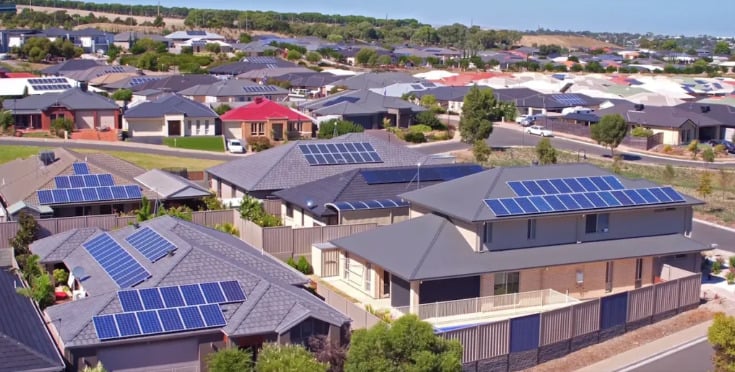
AGL Energy, one of Australia’s largest electricity retailers, has acquired Tesla’s South Australia Virtual Power Plant (SAVPP) with plans to expand the initiative.
The SAVPP comprises a residential solar PV and energy storage network and is one of the largest VPPs in Australia.
Originally established in 2018 by Tesla, the project received support from the South Australian government and the Australian Renewable Energy Agency (ARENA).
ARENA contributed AU$8.2 million (US$5.93 million) to the total AU$60.6 million cost of rolling out the SAVPP, while Tesla contributed AU$18 million of equity. The Clean Energy Finance Corporation provided AU$30 million in debt funding, and the SAVPP also received support via South Australia’s Grid Scale Storage Fund.
Try Premium for just $1
- Full premium access for the first month at only $1
- Converts to an annual rate after 30 days unless cancelled
- Cancel anytime during the trial period
Premium Benefits
- Expert industry analysis and interviews
- Digital access to PV Tech Power journal
- Exclusive event discounts
Or get the full Premium subscription right away
Or continue reading this article for free
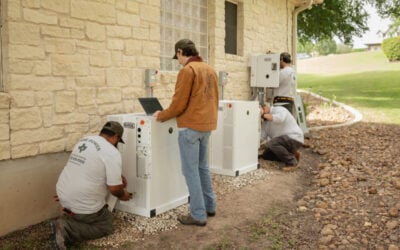
Through the initiative, Tesla offered a system that included 5kW of solar PV and a 13.5kWh residential battery energy storage system (BESS) at no upfront cost to households.
Initially, Tesla envisioned the VPP to include 50,000 homes by 2022, with 3,000 of these to be social housing. However, to date, the SAVPP features approximately 7,000 Powerwall home BESS and a number of systems from third-party vendors, including sonnen.
In 2020, a report released by the Australian Energy Market Operator (AEMO) regarding the first six months of operation at the SAVPP found that home BESS generated significant revenue and contributed to grid stability. They achieved this by responding to events that cause frequency deviations and energy pricing signals.
An example of this occurred in January 2020 when, after a freak storm literally flattened transmission towers, the SAVPP earned more than a million dollars in under two weeks.
AGL confirmed it intends to install additional home battery storage systems this year and plans to build the country’s largest social and community housing VPP.
Expanding Virtual Power Plant benefits across Australia
AGL chief customer officer Jo Egan emphasised the potential of the SAVPP model to benefit more communities in South Australia and beyond.
“This innovative model of a virtual power plant means we can extend the benefits of the energy transition to more customers, in a really smart and simple way,” Egan said.
“We know that upfront costs of installing solar and batteries can be a significant barrier for many, and we are focused on how we can make these more accessible.”
As part of its commitment to renewable energy, AGL has launched the AGL Community Power programme. This initiative is designed to share the benefits of the energy transition with individuals who face barriers to purchasing residential solar PV and battery storage or home ownership.
The programme specifically targets social and community housing residents in South Australia and other regions.
To read the full article, please visit our sister site PV Tech.