US lithium-sulphur battery company Lyten is aiming to acquire another of Europe’s failed homegrown battery startups, Norway’s Morrow Batteries, which went into bankruptcy earlier this year.
The bankruptcy estates of Morrow Batteries ASA, Morrow Technologies AS and Morrow Industrialization Center AS entered into an agreement with Lyten, Inc. and Innovation Norway for an asset sale of Morrow’s business as a going concern last week (21 August). Morrow filed for bankruptcy in May.
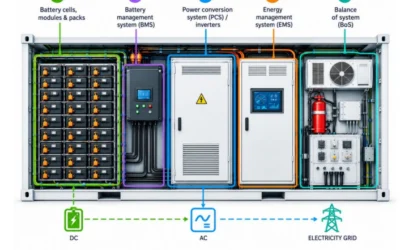
Those three subsidiaries are the primary entities of the company, which has been aiming to manufacture lithium iron phosphate (LFP) cells in Norway primarily for battery energy storage system (BESS) applications. It has also been developing lithium nickel manganese oxide (LNMO) technology. Read our interview with its then-COO in 2024 here.
The memorandum of understanding (MOU) is between the bankruptcy estates, state-owned agency Innovation Norway as the secured creditor and Lyten, Inc. as the buyer. It was announced by court-appointed bankruptcy administrator, attorney Christian Bohne, of law firm Simonsen Vogt Wiig.
Try Premium for just $1
- Full premium access for the first month at only $1
- Converts to an annual rate after 30 days unless cancelled
- Cancel anytime during the trial period
Premium Benefits
- Expert industry analysis and interviews
- Digital access to PV Tech Power journal
- Exclusive event discounts
Or get the full Premium subscription right away
Or continue reading this article for free
It follows a process in which interested parties were invited to compete on equal terms, out of which Lyten emerged as the preferred bidder. Bohne said the decision was made with the “objective of preserving values and pursuing a going-concern solution for the business”. Lyten reportedly paid NOK 8 million (US$850,000) for exclusivity as part of the process.
“The employees have been severely affected by the bankruptcy. Under demanding circumstances, they have made an important and highly valued contribution to the work to continue battery production in the Arendal region. Their commitment has been instrumental in enabling us to enter into this agreement,” Bohne added. He said he was ‘optimistic’ about Lyten’s ability to execute.
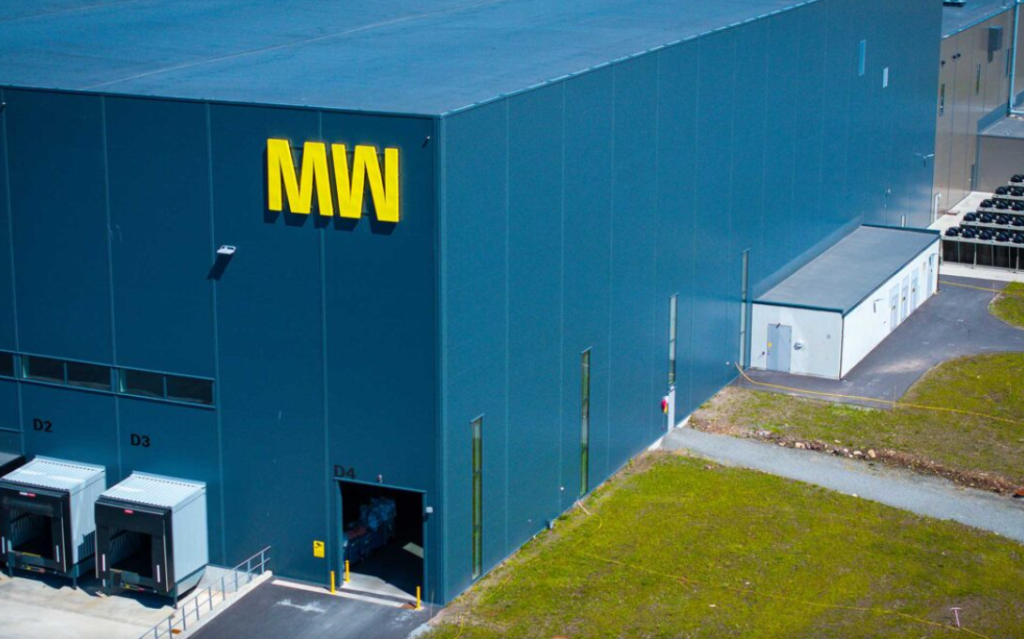
The process aims to secure hundreds of jobs at Morrow Batteries long-term, having already secured 70 jobs through the autumn. Morrow’s main physical asset is its LFP gigafactory in Arendal, Norway.
It follows Lyten last year acquiring the majority of the assets of bankrupt Northvolt, the Swedish lithium-ion startup on which Europe’s battery ambitions had rested over the past decade. It started with Northvolt’s Poland BESS factory in July 2025, followed by its Sweden, Germany gigafactories and R&D and IP assets in August. Northvolt had been prioritising nickel manganese cobalt (NMC) chemistry.
We then heard from Lyten’s CBO and CEO afterwards about their plans with Northvolt. They will focus on scaling up the company’s lithium-ion commercialisation, ahead of the company’s own more novel but less commercially ready lithium-sulphur tech.
Commenting on the Morrow process, Dan Cook, Lyten CEO, said: “Lyten is currently evaluating the site to serve as a Lyten Industrial Hub, combining battery manufacturing, upstream and downstream activities in the energy storage value chain, and industrial activities to support other critical industries, including AI data centers, mobility, and defense. We firmly believe this strategy creates a multi-decade asset that can attract high-quality capital investment and create sustained, highly trained jobs for the region. We are engaging with a wide range of stakeholders as part of our evaluation under the MOU.”
“I am grateful for the trust the Lyten team is showing in our technology, assets and people,” interim Morrow Batteries CEO Jon Fold von Bülow said on LinkedIn.
Before it emerged as a buyer for Northvolt, Lyten had sought US$650 million in financing from the Export-Import Bank of the United States (EXIM), potentially providing its funds for its European battery M&A activity.