“The industry has to continue to be aggressive,” says Luigi Resta, president of US renewable energy and energy storage developer rPlus Energies, on the US remaining a competitive market for energy storage.
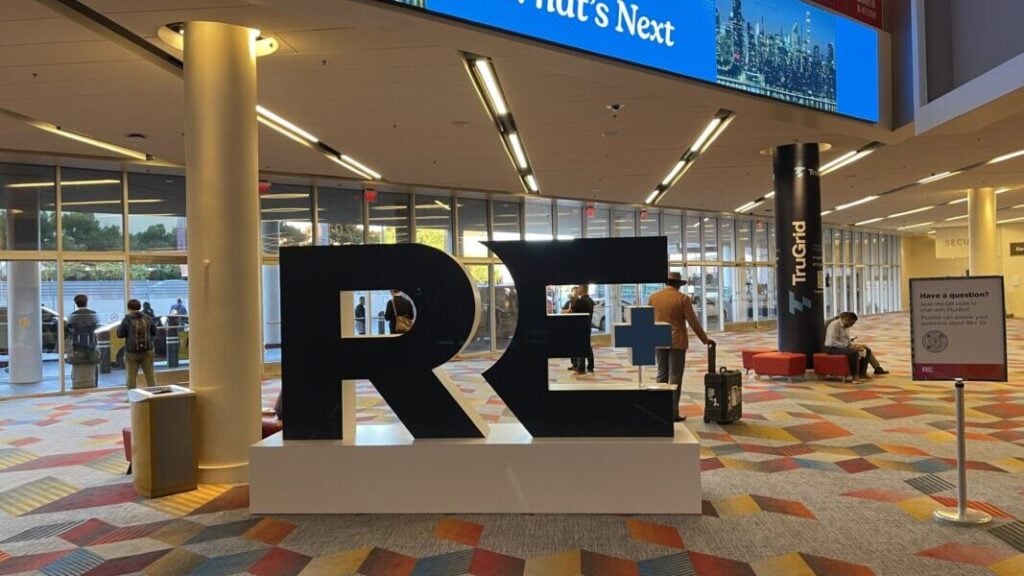
Speaking to Energy-Storage.news as the RE+ trade show kicked off yesterday (8 September) in Las Vegas, US, Resta discussed the company’s current pumped hydro energy storage (PHES) project status and navigating a changing US market.
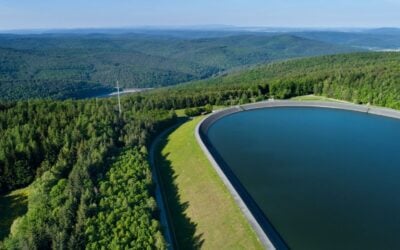
In September 2024, Resta informed ESN Premium that PHES had been on his mind for the company since its early days, as a promising storage technology. Currently, the company is developing three PHES projects, located in Wyoming, Nevada, and Utah.
Resta states that the Wyoming project is presently in the National Environmental Policy Act (NEPA) compliance phase with the Federal Energy Regulatory Commission (FERC).
Try Premium for just $1
- Full premium access for the first month at only $1
- Converts to an annual rate after 30 days unless cancelled
- Cancel anytime during the trial period
Premium Benefits
- Expert industry analysis and interviews
- Digital access to PV Tech Power journal
- Exclusive event discounts
Or get the full Premium subscription right away
Or continue reading this article for free
The Nevada project is still advancing through FERC licensing, it has experienced a “slight delay” on some of the “environmental work that (rPlus) needs to do to start the NEPA process.”
Resta did not provide an update for the Salt Lake City project located in the Oquirrh Mountain range.
In March, the Bureau of Land Management (BLM) announced it was seeking input on a proposed non-competitive sale of approximately 500,000 yards of federal mineral materials. If approved, this would allow rPlus to remove common variety sand, gravel, dirt, and rock for use in the project’s construction.
The company’s Nevada project, White Wine Pumped Storage, has also faced pushback from community members and the McGill Ruth Consolidated Sewer and Water District, represented by Schroeder Law Offices.
Claims against its development have included impacts to water availability, altering of scenic views, viability of historic landmarks and negative affects to the habitat of the Sage-grouse bird.
While the ‘One Big Beautiful Bill’ Act left energy storage tax credit timelines largely the same, foreign entity of concern (FEOC) restrictions on technology procurement and changing tariff policies significantly increase the risk of buying energy storage components outside of the US.
Resta says of PHES, “It has probably seen the least disruption, and pumped storage has not been targeted by the Department of the Interior, or any of the others, because it really is an infrastructure project, like a dam, or similar investment.”
RPlus also has solar and battery energy storage system (BESS) projects to consider, so it is not totally insulated from these changes.
Resta says of building the industry from here, “The industry has to continue to be aggressive and do what we can to onshore manufacturing but also get product at a cost that actually delivers what the country needs, which is electricity.”