The business case for a range of long-duration storage technologies needs to be addressed to help the US reach its decarbonisation targets, according to the Department of Energy’s director of energy storage research Dr Imre Gyuk.
These technologies must also be developed sustainably, in support of a circular economy, with their manufacture taking place in various markets around the world, said Gyuk during a keynote address at the first day of the Energy Storage Summit USA event, hosted by our publisher Solar Media.
While there is a range of applications for shorter duration storage, the business case for longer duration storage represents a “really serious problem”, according to Gyuk, who raised concerns about how the current regulatory structure will support their growth.
“Is the ratepayer going to pay or the taxpayer? Are we going to have mandates? Are we going to do this via a carbon tax? A lot of considerations are going on and no real solutions have emerged as yet,” said Gyuk.
Try Premium for just $1
- Full premium access for the first month at only $1
- Converts to an annual rate after 30 days unless cancelled
- Cancel anytime during the trial period
Premium Benefits
- Expert industry analysis and interviews
- Digital access to PV Tech Power journal
- Exclusive event discounts
Or get the full Premium subscription right away
Or continue reading this article for free
A newly published energy storage roadmap from the US Department of Energy has a target for the levelised cost of long-duration energy storage to be reduced by 90% over the next nine years, while new long-duration technologies will be supported by a US$75 million research and development facility that the department will build in the state of Washington.
Recognising the “urgent need” for longer durations of energy storage to support grids as they integrate more and more intermittent generation from renewables, Gyuk said progress must be made in alternatives to lithium-ion batteries such as zinc-bromine, zinc-manganese and lead–acid.
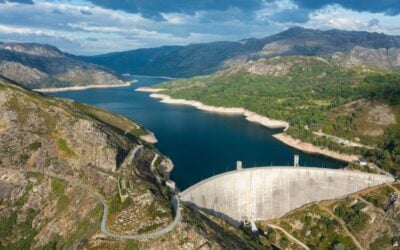
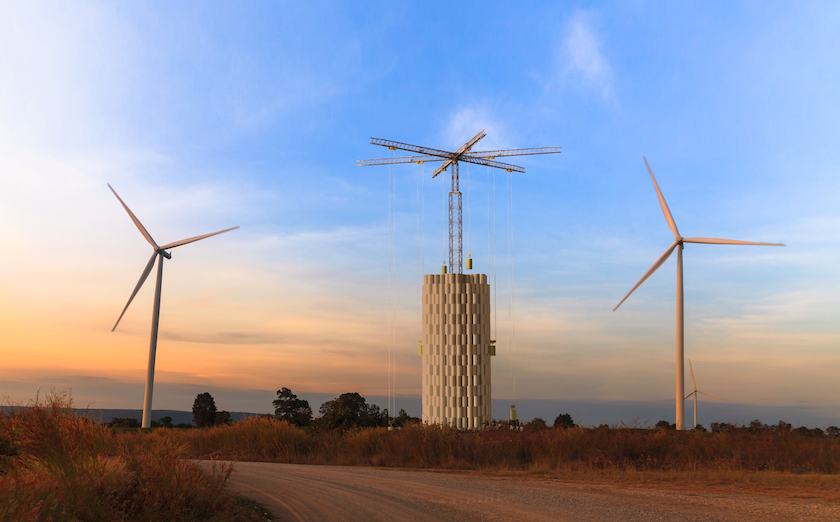
In terms of non-battery technologies, Gyuk pointed to the potential of mechanical storage technologies, from stacking up cement blocks to rail-based systems, which feature carts filled with sand or gravel that are transported uphill when extra electricity is available, such as a solution developed by Advanced Rail Energy Storage. Other technologies that could be developed further include compressed air energy storage (CAES) systems and underground pumped hydro.
Asked by an audience member on alternatives to pumped hydro, Gyuk said he is in favour of trialling a range of technologies and developing them towards a situation where they become economically affordable, and then deciding which ones to pursue further.
“We need to have chemical, gravity, electro-chemical and whatever types of storage along with demand manipulation and building technologies. If we’re going to reach decarbonisation, we’ll have to give it everything we can,” he said.
Chemical systems such as hydrogen and ammonia could also be looked at, however the impact of leakages on the environment should be considered, according to Gyuk, who called for the development of circular technology based on Earth-abundant and inexpensive materials.
Finally, Gyuk called for the manufacture of long-duration energy storage technologies to take place in markets globally: “We cannot have a situation where particular countries essentially control all the manufacturing of energy storage devices and other countries just buy them,” he said. “We need to develop domestic manufacturing in the US, but in other countries as well.”