UK energy regulator Ofgem has shortlisted 16 projects for the first ever long-duration energy storage (LDES) cap-and-floor scheme, totalling 7.6GW of capacity ranging from 8- to 22-hour durations.
Ofgem detailed the 16 projects it is minded to provide long-term revenue visibility support in a consultation opened today (26 June). The full table is further down, and includes projects from owner-operators Field, Frontier Power, Eku Energy and Statera.
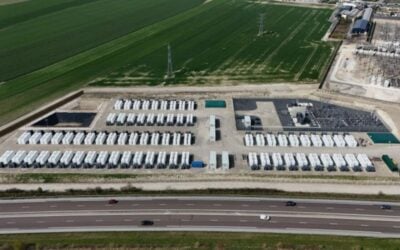
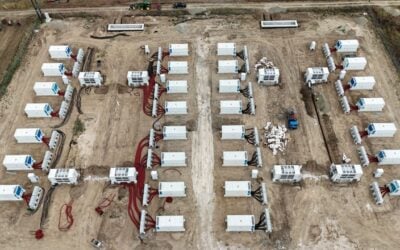
The projects total 7,645MW of capacity and have an ‘appropriate mix of duration, technology and locational distribution,’ Ofgem said. Lithium-ion battery energy storage system (BESS) and pumped storage hydro (PSH) have taken the lion’s share of capacity, with two smaller projects using compressed air energy storage (CAES) and a mix of vanadium redox flow batteries (VRFB) and zinc hybrid cathode technology.
They were chosen from 77 shortlisted projects totalling 27GW, revealed in September 2025, and the capacity chosen is at the very top end of Ofgem’s guided 2.7-7.7GW range for this first window.
Try Premium for just $1
- Full premium access for the first month at only $1
- Converts to an annual rate after 30 days unless cancelled
- Cancel anytime during the trial period
Premium Benefits
- Expert industry analysis and interviews
- Digital access to PV Tech Power journal
- Exclusive event discounts
Or get the full Premium subscription right away
Or continue reading this article for free
The scheme aims to enable the deployment of LDES capacity to improve security of supply, reduced emissions and lower system costs. The UK government forecasts an increased need for LDES as more renewables come online, but because of the long construction timelines and uncertain revenues, it cannot be left to the private sector alone.
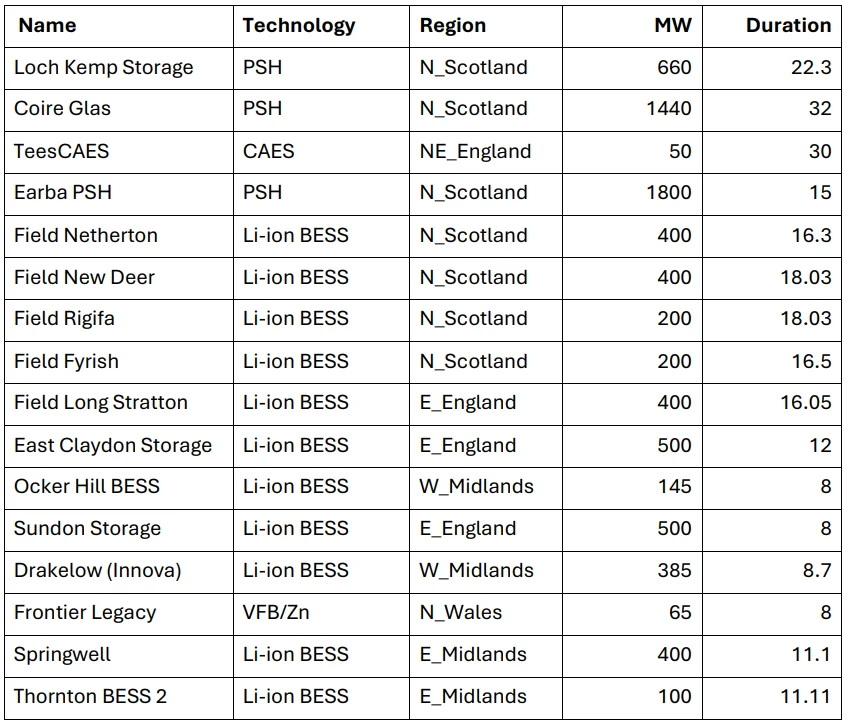
Field has five BESS projects totalling 1.6GW/26.8GWh, an average duration of 16.75-hours. Amit Gudka, CEO and co-founder of the BESS owner-operator, commented: “The UK’s LDES Cap and Floor is a global landmark scheme, and we’re proud to be part of it. Our 16–18 hour duration batteries will be among the longest duration in the world — and represent a significant step forward in solving the challenge of day-to-day shifting of electricity.”
Field’s head of development Bex Sherwood discussed the scheme and the UK’s LDES buildout in a panel at the Energy Storage Summit 2026 in London in February, which you can watch a video recording of here (with an ESN Premium subscription).
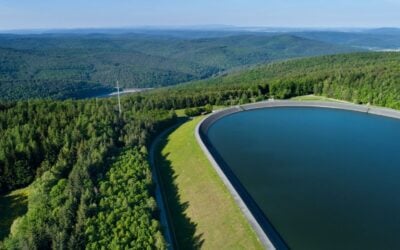
There are three PSH projects too, the Cloire Glas (SSE), Earba (Gilkes Energy) and Loch Kemp (Statera) projects. Statera also owns the East Claydon BESS. There is also the TeesCAES project from technology company Storelectric.
Kate Gilmartin, CEO of the British Hydropower Association, said it is “the biggest boost for Pumped Storage Hydropower in decade”.
The majority of capacity is in Northern Scotland, reflecting the biggest imbalance in the UK energy system: there is huge wind generation there but not the sufficient grid capacity to transport it southwards to demand centres. Energy storage will help mitigate this imbalance.
Lithium-ion wasn’t even going to be included initially, but was made eligibile after calls from the industry not to discriminate on technology. However, that has led to opposition from other quarters of the BESS industry who say the LDES scheme will distort the market and threaten the buildout of short-duration BESS.
Ofgem said it set the minded-to capacity at the upper end of the targeted range to account for project attrition (projects reducing in size or failing between now and delivery) while meeting system need.
‘This approach balances the risks of under‑procurement and over‑procurement, recognising inherent uncertainties in delivery. We intend to manage delivery risks through conditions and deliverability requirements. The resulting portfolio is therefore expected to deliver sufficient capacity even if some projects do not proceed, while maintaining value for consumers,’ Ofgem said.
‘We recognise the importance of maintaining a pipeline of projects and we are keen to see the continuing development of new and emerging technologies.’
Further LDES cap-and-floor application windows are expected, subject to consultation in 2026 and a decision on a second
window by 2027, it added.
See the full decision document from Ofgem here, which goes into detail on how it assess the projects on various metrics including viability and system benefits.
We will bring you more on this in the coming days and weeks.
The announcement will be a key talking point at next week’s Clean Power 2030 Summit, hosted by our publisher Solar Media, on 30 June-1 July in London.