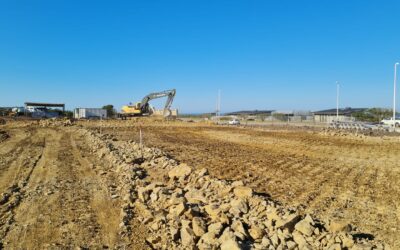
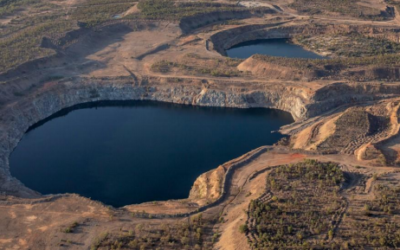
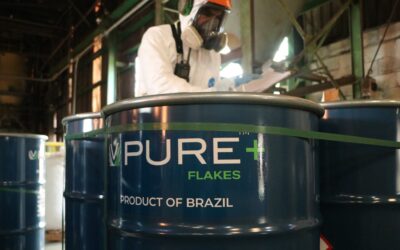
Construction has begun on a facility which will make electrolyte for vanadium flow batteries in South Africa’s Eastern Cape, by vertically-integrated vanadium producer Bushveld Minerals.
California’s second-largest investor-owned utility Pacific Gas & Electric has warned customers of a challenging summer ahead, beginning with a record-breaking heatwave expected in some parts of the state this week.
Andy Colthorpe speaks with energy storage associations from Ireland, Germany, Poland and Spain to hear about their unique situations as well as the opportunities and challenges they share.
For over 100 years, pumped-storage hydroelectric power (pumped hydro) has supported electricity consumption around the world. Here are just a few recent projects that Energy-Storage.news has come across — from projects at their earlier stages of development to those that are nearing shovel-ready status.
Using vanadium for battery electrolytes could be twice as profitable as supplying it for steel production, which is currently the major industrial use for the abundant metal, vanadium producer Largo Resources has said.
This edition of our news in brief from around the world focuses on novel technologies promising several hours or more of competitively-priced energy storage.
Fluence has completed the commissioning of two large-scale battery projects in the Philippines, following similar announcements by rivals ABB and Wärtsilä.
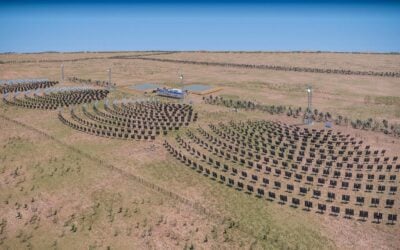
Construction is set to begin in Australia on a grid-scale power generation and long-duration energy storage project combining solar power and thermal energy storage, after the company behind the project said this morning that funding has been secured.