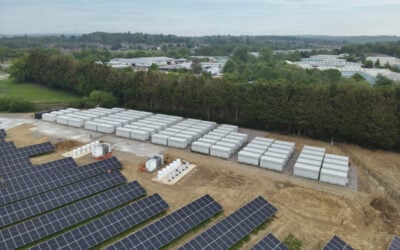
Long-duration energy storage (LDES) technologies are becoming increasingly viable options to add flexibility to the European electricity network, according to a new report.
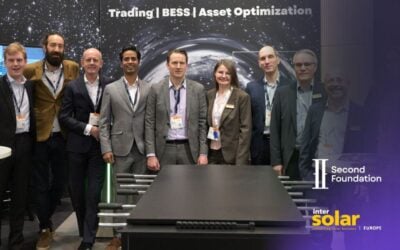
We chat to Stephan Lehrke, head of Germany at Second Foundation, a Czech Republic-headquartered energy asset trading firm which is becoming an owner-operator of BESS.
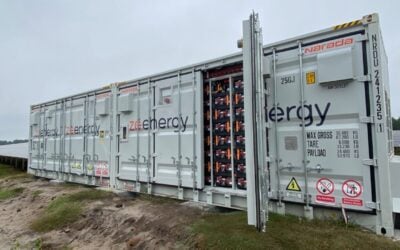
Octopus Energy Generation has partnered with ZE Energy to invest in and build one of Italy’s biggest BESS projects, while Eco Stor has secured financing for one of Germany’s, which it is already building. Optimiser Entrix has also won two large contracts in Germany and the Netherlands.
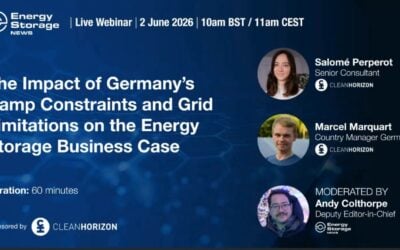
Energy-Storage.news presents this sponsored webinar with Clean Horizon, on how Germany’s grid connection agreements can affect the business case for battery storage projects.
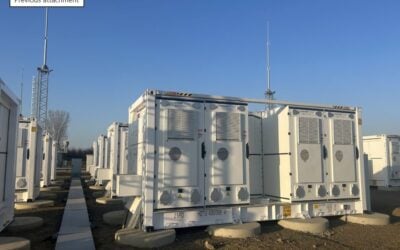
IPP Greenvolt has put a 99.8MW/288.6MWh BESS into commercial operation in Hungary, the largest in the country, while pipelines and projects have been progressed in Italy, France, Netherlands, Belgium and Spain.
There is a big gap in the industry’s understanding of the Spanish energy storage market, but that gap also creates opportunities for smart operators, writes Ignacio López Martín, chair of developer Capflex Energía.