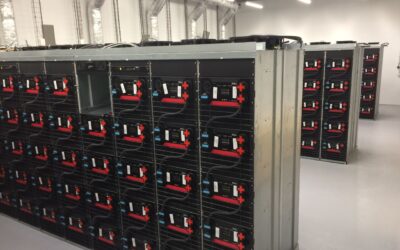
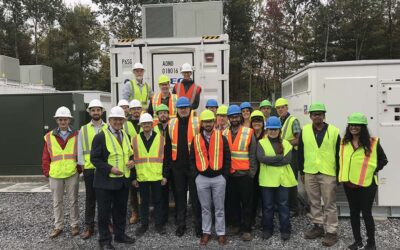
A new strategic plan putting the New York Power Authority (NYPA) on the path to 100% carbon-free electricity by 2035 – five years earlier than the target set out in the US state’s policy goals – has been approved by the state public power organisation’s Board of Trustees.
The UK needs “robust energy storage technologies and clear strategies for implementing them,” to accelerate the transition towards decarbonisation, the lead author of a new roadmap detailing the role of energy storage technologies in the country over the next 10-15 years has said.
In an exclusive first interview for international press since the elections, Energy-Storage.news speaks with CEO Kelly Speakes-Backman about the Energy Storage Association’s hopes, ambitions and policy asks as 2021 begins to come into view.
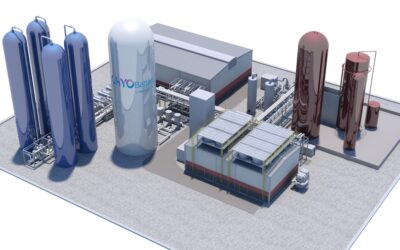
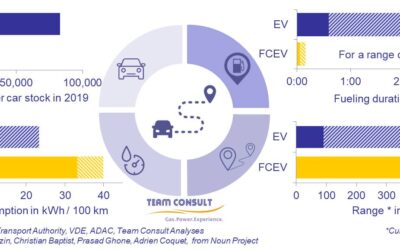
What are the roles of battery storage and hydrogen in the clean energy system of the future? Matthias Simolka, a consultant at Germany-based TEAM CONSULT takes a look at the roles each plays today and where we might see the dynamics go from here, with regard to everything from large-scale renewables integration to electric transport.
A 10MW / 20MWh battery energy storage project in Belgium has achieved financial close and is expected to begin construction shortly, the consortium behind the project has said.
A tourism development in Saudi Arabia which will have its own international airport and hopes to attract over a million visitors each year will be 100% powered by renewable energy, with the help of a 1,000MWh battery storage facility.
After a series of large-scale battery announcements in Australia from Federal and state governments, utility company AGL has followed up by saying it plans to build a battery system in South Australia with up to 1,000MWh of capacity.
A solar-plus-storage microgrid being deployed at an alloys mine in South Africa will feature a vanadium flow battery energy storage system, using locally sourced vanadium electrolyte.
It would be “feasible and cost-effective” to retire more than a gigawatt (GW) of gas and fuel oil peaker plant capacity on New York’s densely populated Long Island within three years, according to a new study.