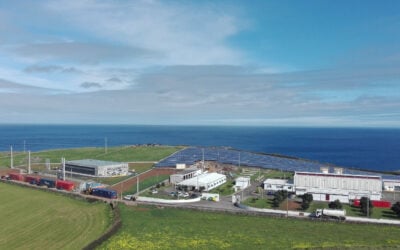
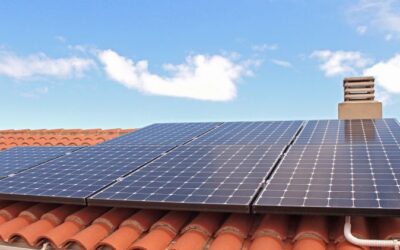
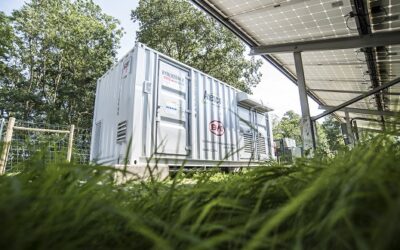
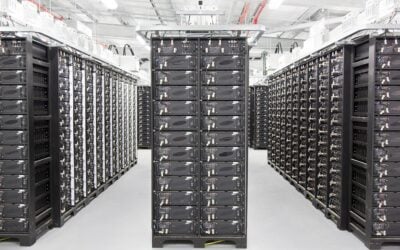
The latest phase of a AUS$55 million (US$43.8 million) programme giving remote communities in Australia’s Northern Territory reliable and clean power will see a 2MWh battery installed and paired with more than 3,000 solar PV panels.
Tenders for solar-plus-storage projects on French island territories including Corsica, Guadeloupe and Martinique have resulted in winning bids often 40% lower than the victors of previous reverse auctions.
A 100MW tender for energy storage, part of a 400MW auction for renewable energy projects, has been officially launched by the regional government of Queensland, Australia.
In the UK, a new, quarter of a billion-pound innovation competition for batteries has been launched, while plans for overhaul of the energy sector promising a “determined, joined-up, far-sighted and deliberate approach from government” appear to have been met with relish by the industry. Consultant Robert Ede goes beyond headlines to look at what this might really mean in practical terms.
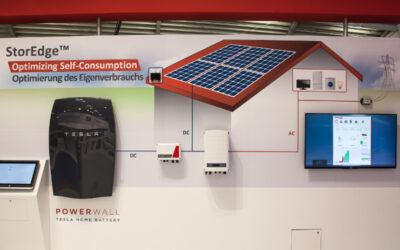
Residential battery storage has won a partial victory after the UK government agreed to a tax break for battery systems, but only if they are supplied and installed alongside solar panels.
Australia’s defence minister has welcomed the start of work on a solar-plus-energy storage microgrid at a military base in Perth by developer Carnegie Clean Energy.
Distribution network operator (DNO) UK Power Networks (UKPN) has launched a new fast-track application process for small scale electricity storage just days after Britain’s government solidified its support for the technology with funding allocations and new regulatory proposals.
The UK government Department for Business, Energy and Industrial Strategy (BEIS) has incurred the wrath of battery storage asset owners by proposing significant changes to how their generation classes are derated within the Capacity Market (CM).
Earlier this week the UK government and energy regulator Ofgem published a strategy for a modernised, smart and flexible power system, the result of an eagerly anticipated response to last year’s Smart Power Call for Evidence. Liam Stoker takes a deep dive to examine the implications for solar and energy storage of this major undertaking.