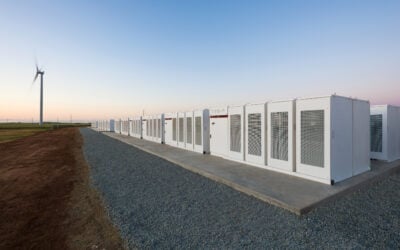
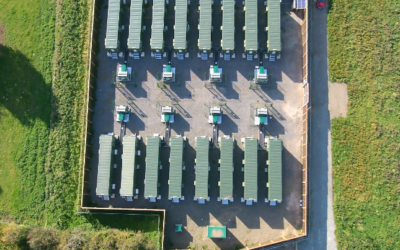
The battery storage market in the UK has become a viable investment opportunity in just the past few months, even without the backing of long-term contracts for grid services, according to an investment manager in the renewable energy sector.
Texas’ grid and the idiosyncrasies of its electricity planning system regime made global headlines in February following a harsh winter storm and subsequent blackouts that affected millions of people and businesses for almost an entire week. It may be a unique market with unique characteristics, but what wider role can batteries — and other energy storage technologies — play in assisting the grid to remain stable and prevent a situation like this from happening again?
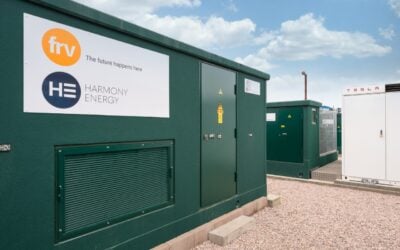
Global renewable energy project developer Fotowatio Renewable Ventures (FRV) said construction work has begun on its second battery storage project in the UK — and the world — with local partner Harmony Energy.
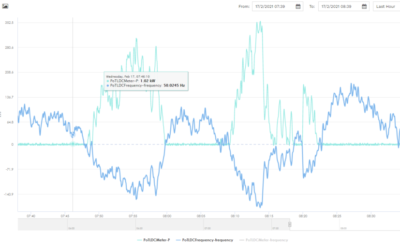
Participation in the UK’s recently-launched Dynamic Containment (DC) frequency response service has exceeded 400MW of assets with the enrolment of investment fund Gore Street Capital’s 9MW Port of Tilbury battery storage project by optimiser Origami Energy.
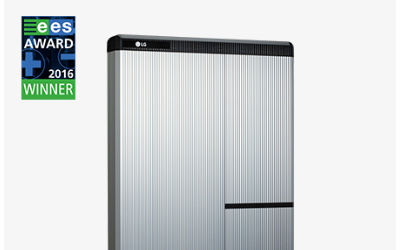
LG Energy Solution, formerly known as LG Chem, is offering free replacements to customers for some of its battery energy storage systems sold in Australia due to potential defects that could cause overheating.
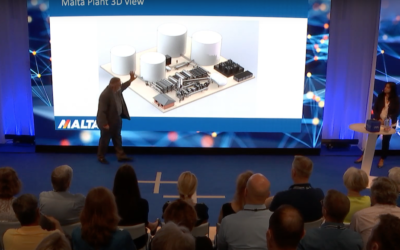
Malta Inc, developer of a grid-scale electro-thermal energy storage technology, has closed a Series B funding round, raising US$50 million from investors that include Facebook co-founder Dustin Moskovitz.
The sudden and rapid use of Special Purpose Acquisition Companies (SPACs) to launch privately-held companies into publicly-listed entities is a minor phenomenon of our time and some players in clean energy industries including energy storage, have been quick to join the wave. It can work out really well, but it can also all end in tears: so choose wisely, says Charles Lesser, partner at Apricum – The Cleantech Advisory.
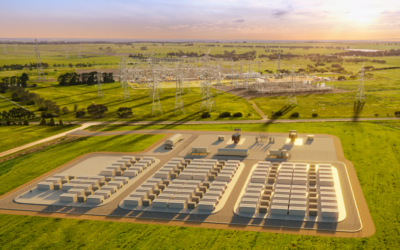
Australia’s Clean Energy Finance Corporation (CEFC) has invested AU$160 million (US$127.6 million) in a 300MW battery storage project near Geelong, Victoria.
Although there is growing interest within the energy storage industry around the National Grid’s Dynamic Containment (DC) system, operators who tap into it must be ready to adapt and maintain other revenue streams, a panel of industry experts heard this week.