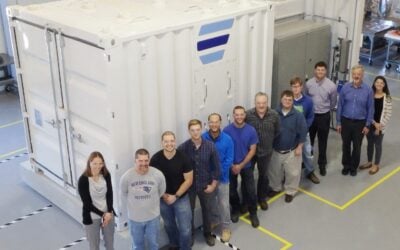
Long-duration energy storage startup Form Energy has confirmed details of its recently reported Series C investment round, with Bill Gates’ Breakthrough Energy Ventures among continuing investors.
A new market for providing ancillary services to the UK’s grid has been highlighted as more valuable in its first seven weeks of operation than any other frequency response service run by the network operator, National Grid ESO.
In an exclusive first interview for international press since the elections, Energy-Storage.news speaks with CEO Kelly Speakes-Backman about the Energy Storage Association’s hopes, ambitions and policy asks as 2021 begins to come into view.
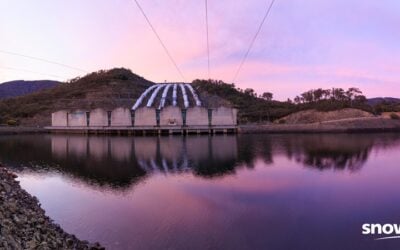
The Australian government-backed Clean Energy Finance Corporation (CEFC) has committed AU$125 million (US$92.12 million) to help build grid infrastructure for a 2GW pumped hydro project with 175 hours of storage duration.
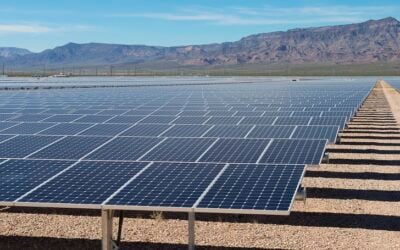
Utility NV Energy has had plans for three large-scale solar-plus-storage projects approved by regulator the Public Utilities Commission of Nevada (PUCN) which the company said will enable it to achieve a PUC-set energy storage deployment target.
‘Liquid metal’ battery technology developed as a potential low-cost competitor for lithium-ion looks set to be used at a data centre under development near Reno, Nevada.
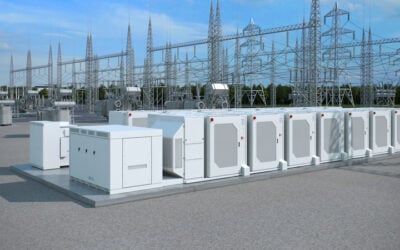
A 10MW / 20MWh battery energy storage project in Belgium has achieved financial close and is expected to begin construction shortly, the consortium behind the project has said.
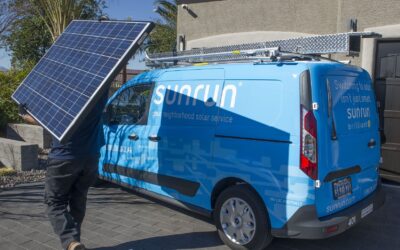
US residential solar installer and leasing company Sunrun will aggregate home solar-plus-storage systems into a virtual power plant (VPP) capable of providing 5MW of grid support, with California utility Southern California Edison (SCE).
Independent power producer (IPP) Broad Reach Power has made the first of “several planned expansions” into California’s market for energy storage, acquiring the 25MW / 100MWh Cascade Energy Storage project.