6 September: This article was updated after publication after a source close to the process pointed to different, more accurate figures reported in the press, which have been reflected in the article.
US-listed private equity firm KKR is to acquire joint control of UK battery storage developer Zenobē in partnership with existing investor Infracapital, according to reports.
The deal will see KKR invest US$750 million in Zenobē while existing shareholder Infracapital will invest a further US$339 million (£270 million), according to Bloomberg, totalling US$1.089 billion of investment.
A separate report by Sky said that KKR will buy a roughly 45% stake in Zenobē making it the largest shareholder in the company alongside Infracapital and valuing the grid-scale storage and EV specialist at around £800 million (US$1 billion), however our source said this was inaccurate.
Try Premium for just $1
- Full premium access for the first month at only $1
- Converts to an annual rate after 30 days unless cancelled
- Cancel anytime during the trial period
Premium Benefits
- Expert industry analysis and interviews
- Digital access to PV Tech Power journal
- Exclusive event discounts
Or get the full Premium subscription right away
Or continue reading this article for free
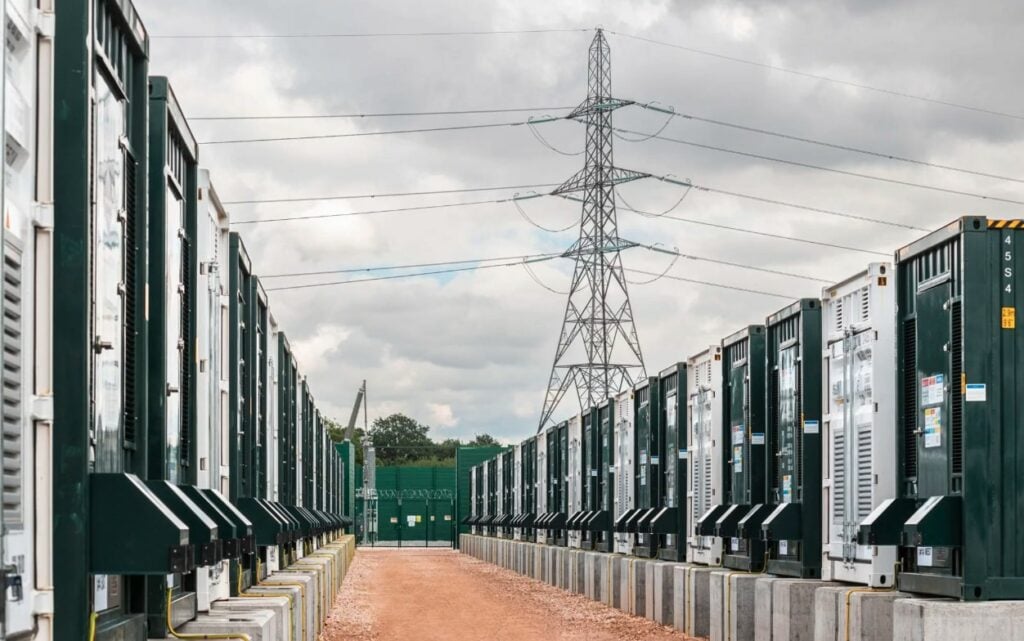
Alongside developing grid-scale battery energy storage system (BESS) projects in the UK, Zenobē also provides fleet electrification solutions and second life repurposing of EV batteries into BESS.
Recent notable grid-scale BESS the company is working on include a 300MW/600MWh unit in Blackhillock, Scotland, on which construction started earlier this year with commercial operation schedule for mid-2024. That is part of a portfolio of four sites in Scotland totalling 1050MW/2100MWh of energy storage.
Zenobē also made headlines earlier this year when what it claimed was the largest BESS directly connected to a transmission network in Europe came online and started producing reactive power services in a ‘world-first’.
Direct connection to the high-voltage transmission network, rather than the lower voltage distribution network, ensures a more reliable connection and greater visibility to the grid operator.
Smaller shareholders in the firm include Japanese utility TEPCO and one of its joint venture entities Jera.
The reported acquisition by KKR is the second deal of its kind in quick succession in the UK market. In July, asset manager Searchlight Capigtal agreed to buy Gresham House, the largest operator of BESS in the UK, for nearly £500 million.
KKR declined to comment when asked by Energy-Storage.news, while Zenobē has not replied to a request at the time of writing.