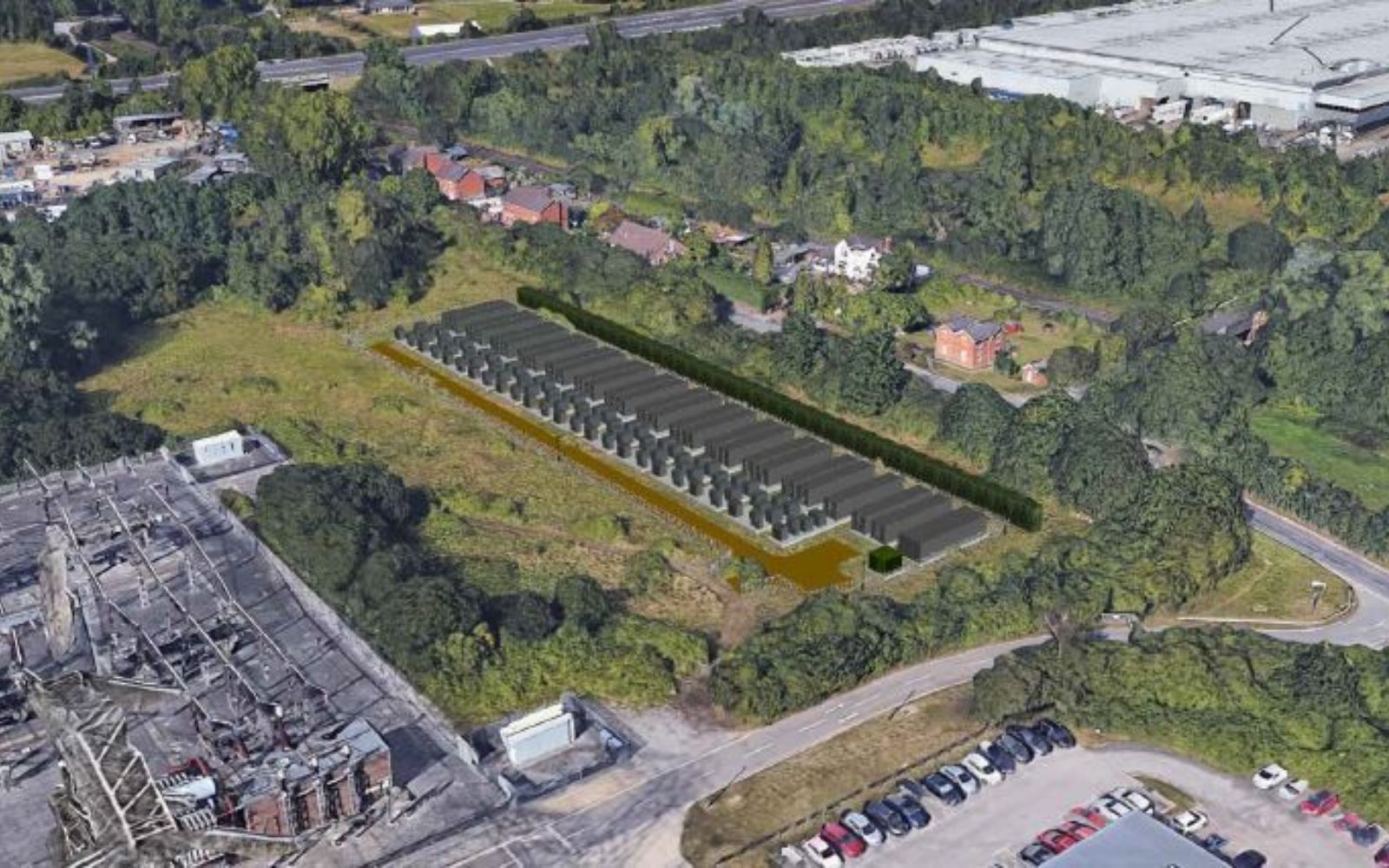
Pivot Power is to keep a watching brief on changing planning regulations pertaining to energy storage in the UK, opening up the developer to increasing the capacity of some projects within its portfolio.
Last week EDF confirmed its acquisition of Pivot Power in a move designed to cement its position in the UK’s utility-scale storage market. It will now help push Pivot’s pipeline, which comprises some 40 prospective battery storage facilities with a cumulative capacity of around 2GW.
The first two of those sites are due to be commissioned before the end of next year. A further eight hold planning consent, with plans progressing on the remaining 30.
However those plans could yet be amended, Pivot chief executive Matt Allen told this publication, courtesy of a change in planning regulations that holds the potential to free the shackles on larger-scale storage sites in the UK.
Try Premium for just $1
- Full premium access for the first month at only $1
- Converts to an annual rate after 30 days unless cancelled
- Cancel anytime during the trial period
Premium Benefits
- Expert industry analysis and interviews
- Digital access to PV Tech Power journal
- Exclusive event discounts
Or get the full Premium subscription right away
Or continue reading this article for free
Last month the UK’s Department for Business, Energy and Industrial Strategy revealed that it intends to lift a restriction on battery storage sites that had previously meant that any prospective site with a capacity greater than 50MW would need to progress through the nationally significant infrastructure project (NSIP) process, one which ultimately requires final approval from the secretary of state.
That process is costly and time consuming. Proceeding through the NSIP, instead of the usual local planning route, is said to add months in time and tens of thousands of pounds in various planning and legal fees, sums which could ultimately render a project uneconomical.
The change in planning will remove this requirement and place planning for such projects solely into the hands of local councils.
Allen said that Pivot would be keeping a watching brief on the change before assessing the “viability and overall opportunity” for grid connections within Pivot’s portfolio, indicating it is “definitely something we will be looking at in the near future”.
Pivot’s immediate post-acquisition considerations are, however, progressing its pipeline and scaling up its resource needed to pursue those projects. In an interview with sister publication Current±, Allen said the company would be looking to leverage EDF’s development experience and growing its team.
“I think looking at the team we have in place right now of 15 people, absolutely there will be a requirement for more resource as we grow that,” Allen said, posing that resource could be seconded from EDF into Pivot as a wholly owned subsidiary of the French energy major.