In an effort to make it easier for smaller participants to bid into the Balancing Mechanism (BM), National Grid ESO has introduced a new interface.
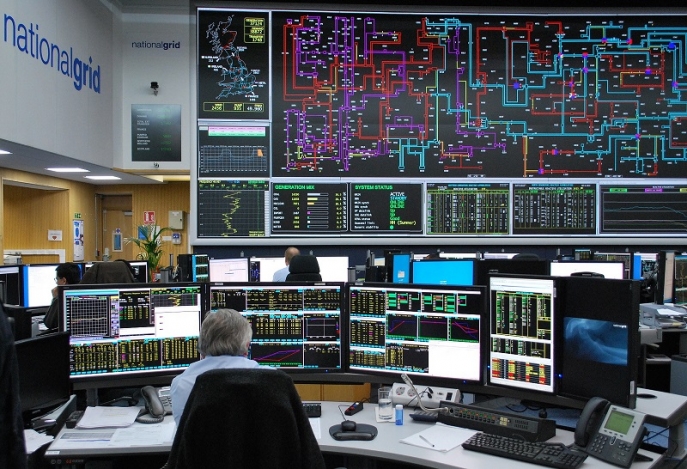
On 17 September, the new wider access application programming interface (API) went live in the system operators control room. Non-traditional market participants will be able to use it to join the BM through a more simple, cost-effect and web based route.
The API allows providers to connect and communicate in real time with the ESO’s systems and the BM, it said, with the API therefore offering up an alternative to the fixed line connections that providers have traditionally used for electronic data transfer and electronic dispatch logging.
Market participants are able to develop their own API solutions to interface with the ESO’s, with National Grid ESO providing “a secure development and testing environment and certification on completion”.
Try Premium for just $1
- Full premium access for the first month at only $1
- Converts to an annual rate after 30 days unless cancelled
- Cancel anytime during the trial period
Premium Benefits
- Expert industry analysis and interviews
- Digital access to PV Tech Power journal
- Exclusive event discounts
Or get the full Premium subscription right away
Or continue reading this article for free
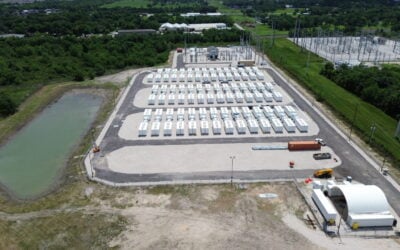
Tesla has become the first company to go live with the new API, having used its automated real-time trading and control platform Autobidder to manage first time BM access for the 7.5MW/15MWh Holes Bay battery storage asset commissioned by Harmony Energy and Fotowatio Renewable Ventures (FRV). balance
According to the system operator, the Holes Bay asset has now gone live and has already been dispatched to help the system.
Felipe Hernández, managing director engineering and asset management of FRV, said: “Opening of the BM to new participants through the new API is an exciting moment for renewable and zero carbon flexibility technologies.
“With the increasing market demand for flexibility services, continued progress on National Grid ESO reforms and technological improvements are the best way to allow the participation of new technologies in the BM and other flexibility services.”
A number of measures have been brought in recently to help widen the BM, starting with the minimum threshold for taking part in the BM being lowered from 100MW to 1MW last year, with the intention of enabling entry for smaller and aggregated units in regional networks.
Virtual Lead Parties (VLPs) were then introduced in April, allowing independent aggregators to operate in the BM without a supply licence.
In August, Elexon revealed it is considering further widening of the BM through changes to the Balancing and Settlement Code (BSC) that would allow individual asset meters to be used for settlement purposes.
“The API will open the market to a wider range of providers and technologies, increase competition for balancing services and bring better value for consumers – and it will take us a step closer to being able to operate the grid with zero carbon by 2025,” Roisin Quinn, head of national control and chief engineer at National Grid ESO, said.
This article was first published on ESN’s sister publication Current±