A company that pairs available energy capacity with the needs of electric utilities is preparing to put 288MW of flexible power onto the California grid in time for the summer peak in electricity demand that threatens energy security across the state each year.
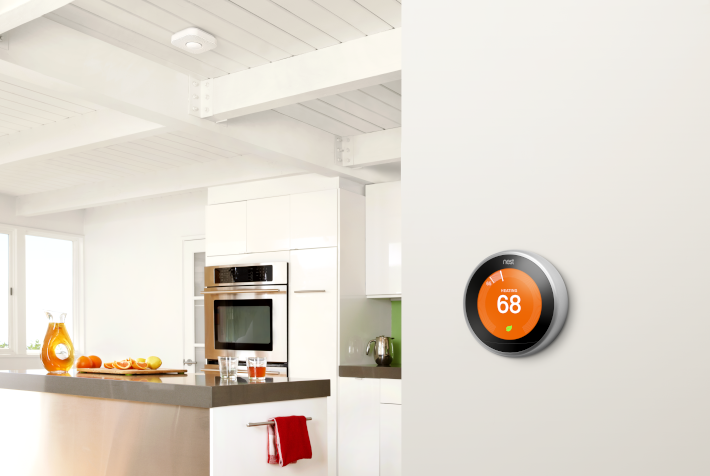
Leap partners up with technology providers making and selling equipment like Google Nest’s smart thermostats, electric vehicles, HVAC and battery storage to homes and businesses and contracts capacity from the combination of different distributed energy resources to serve the grid.
It now has 30 such partnerships with technology companies, including eight battery energy storage partners including solar-and-storage leasing company Sunnova and commercial battery storage company Stem Inc. A spokesperson for Leap told Energy-Storage.news today that batteries range from 13.5kWh home systems to 4MWh commercial battery systems while the pipeline of battery companies is growing.
“Thanks to Leap partners like Stem, Sunnova and other market leaders, California has an abundance of commercial and residential battery storage resources that are ready and able to support grid resiliency efforts,” Leap CEO and co-founder Thomas Folker told Energy-Storage.news.
Try Premium for just $1
- Full premium access for the first month at only $1
- Converts to an annual rate after 30 days unless cancelled
- Cancel anytime during the trial period
Premium Benefits
- Expert industry analysis and interviews
- Digital access to PV Tech Power journal
- Exclusive event discounts
Or get the full Premium subscription right away
Or continue reading this article for free
“Our platform enables these battery systems to deliver the most value to both power providers and asset owners through participation in wholesale energy markets, earning new revenue by helping to balance the grid.”
On the other side of the electric meter, the company has in place partnerships with 14 different electricity providers in California, including many of the community choice aggregator (CCA) groups that have sprung up in the past few years. CCAs offer electricity customers the choice of where their power comes from, with many choosing to maximise the share of renewable energy in that mix. Leap also counts a number of active independent power producers (IPPs) and California’s big three investor-owned utilities as partners.
Leap said that with these capabilities, the virtual power plant (VPP) the company creates will enable residential and business electricity customers to help support California’s grid, which suffered major outages last August during a heatwave. The transmission operator CAISO has said that thanks in part to the growth of large-scale four-hour battery storage systems, the situation this year will be less tight, but is expecting there to be some risk of similar occurrences.
“Resiliency will continue to be a key focus for the California grid this summer. Contracting with Leap is an integral part of our strategy to enhance reliability throughout summer peak demand, and will allow us to source our resiliency using clean, flexible grid capacity,” Nick Chaset, CEO of community choice aggregator East Bay Community Energy, which has signed up to the platform, said.
The Leap platform is the latest in a line of different VPP aggregators to set up in California, including residential VPP start-up Swell Energy and residential solar-plus-storage leasing company Sunrun which have both won multi-megawatt capacity contracts with investor-owned utility Southern California Edison.