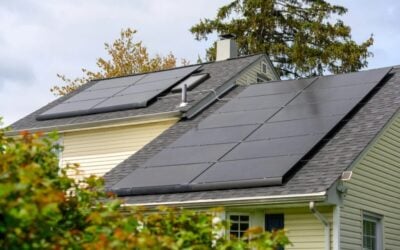
Installing and maintaining renewable energy resources can be viewed as an “essential service”, according to the California Solar + Storage Association (CALSSA), based in one of six major state jurisdictions in the US to have ordered citizens indoors for the time being.
The California State Public Health Officer and Director of the state’s Department for Public Health has ordered that all individuals obey instructions to “stay home or at their place of residence, except as needed to maintain continuity of operation of the federal critical infrastructure sectors”. While described widely as a lockdown, the ruling is described at state level as a “shelter in place” directive.
CALSSA said that while the government information is constantly being updated and must be adhered to, with the association prepared to keep on top of monitoring that dynamic situation and give advice accordingly, it considers that solar and storage installation and maintenance work meets that all-important criteria.
The association’s dedicated resources page for COVID-19 advice referred to a list issued by the State of California of ‘Essential Critical Infrastructure Workers’. It includes electricians and those in the construction industry, particularly those providing services that are “necessary to maintaining the safety, sanitation and essential operation of residences”.
Try Premium for just $1
- Full premium access for the first month at only $1
- Converts to an annual rate after 30 days unless cancelled
- Cancel anytime during the trial period
Premium Benefits
- Expert industry analysis and interviews
- Digital access to PV Tech Power journal
- Exclusive event discounts
Or get the full Premium subscription right away
Or continue reading this article for free
‘Busier than ever’ for customer interest, but circumstances dictate a slowdown
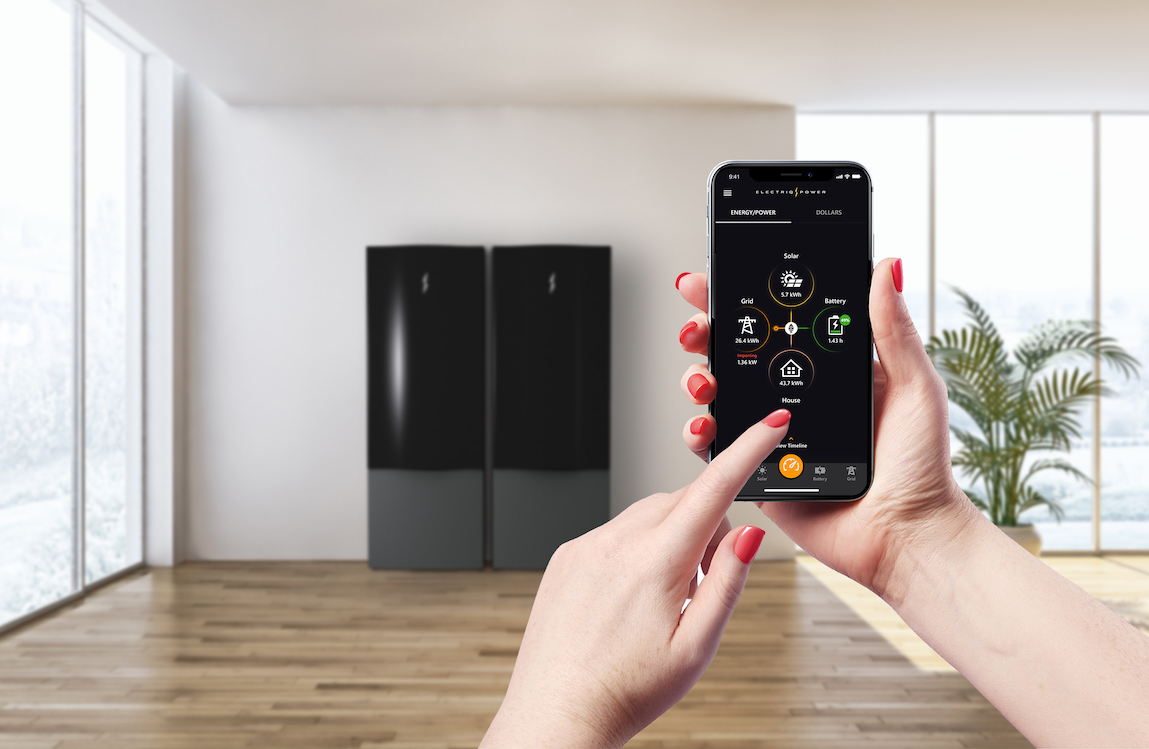
In light of the guidance from CALSSA, one energy storage system provider based in California, Electriq Power, emailed Energy-Storage.news to say that while COVID-19 has caused “confusion and concern” in the marketplace, the company continues to get its product out into the field.
“Covid-19 has definitely caused confusion and concern in the marketplace,” said Aric Saunders, executive vice-president for sales and marketing at Electriq Power.
“We recently received guidance from CALSSA that solar and storage are seen as essential services which means our customers/installers are able to install systems as long as they abide by the minimum 6′ of social distancing on the job site.”
There is a partial short-term upside at least, to the situation, Electriq Power said, in that recognition of the benefits of battery storage technology – already quite high in California for reasons including environmental concern and more recently blackouts and public power shutoffs – is forthcoming.
“We’re actually busier than ever with customer and installer interest as they start to see how fragile our infrastructure is. If power goes out in the home, they don’t have an office or coffee shop to go to for electricity or internet,” Electriq’s Aric Saunders said.
However, as found recently by an Energy Storage Association (ESA) poll, energy storage companies in the US are seeing deleterious impact to their business activities in terms of projects being delayed.
ESA, which represents energy storage at all scales both in front of and behind-the-meter, heard from 175 respondents that around two-thirds are already seeing delays resulting from supply chain issues, permitting delays and more. Electriq Power is also experiencing problems around those permitting bottlenecks, Aric Saunders said.
“Where we are seeing a snag in deployments is at the city or county permitting level. New projects aren’t able to get approved if they are not set up for online applications”, he remarked.
CALSSA has advocated already for online ‘non-touch’ permitting processes to be set up. Meanwhile, Aric Saunders at Electriq Power said, despite the strict safety guidelines being adhered to, some homeowners are hesitant to allow crews into their garages at the moment to install battery systems.
“Ultimately, we expect to see a bit of a slowdown in the short term but expect to catch up in the summertime or within a couple months of getting back to normal,” Saunders added.