Munch Energie connects 500MWh German BESS cluster to the grid

LinkedIn
Twitter
Reddit
Facebook
Email

Utility and power firm Munch Energie is putting five large-scale BESS projects online in Germany. 

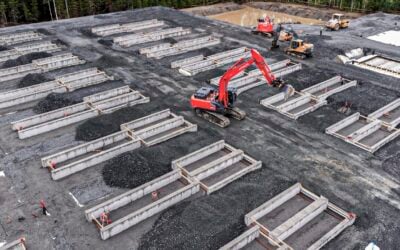
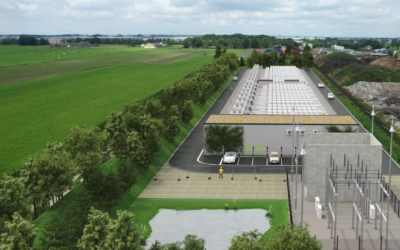
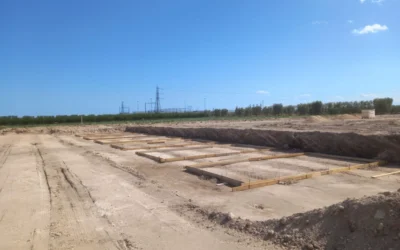
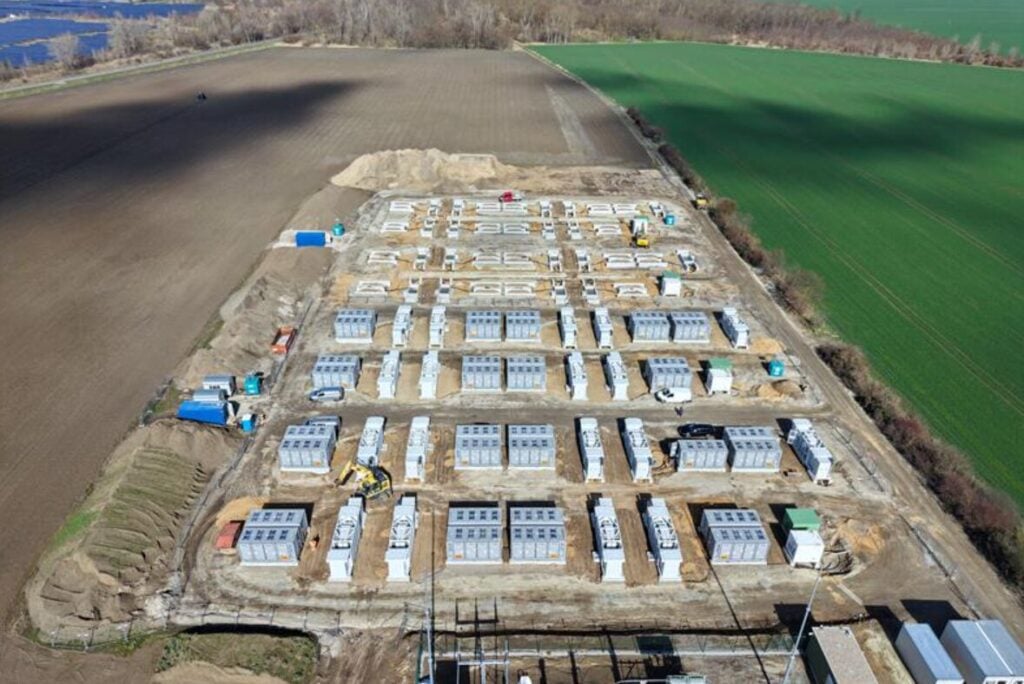
The company said it is connecting a grid-scale battery energy storage system (BESS) network totalling 500MWh to the grid in Saxony-Anhalt.

It will create the largest integrated BESS network in Germany, it claimed, and is being expanded to 800MWh by the end of 2026.

Some outlets reported the portfolio as being ‘commissioned’ while Munch’s press release (translated from German) used the phrases ‘being connected’ and ‘goes online’. 

This article requires Premium SubscriptionBasic (FREE) Subscription

Try Premium for just $1

  • Full premium access for the first month at only $1
  • Converts to an annual rate after 30 days unless cancelled
  • Cancel anytime during the trial period

Premium Benefits

  • Expert industry analysis and interviews
  • Digital access to PV Tech Power journal
  • Exclusive event discounts

Or get the full Premium subscription right away

Or continue reading this article for free

Financing services firm Capcora said a few months ago that Munch’s projects are 50MW/100MWh each and will commence commercial operations by June 2026, when it announced project financing for two of them. They are connected to the grid at a newly-built substation. 

Munch’s first BESS project was back in 2023, when it built a solar-plus-storage project with a 34MWh BESS provided by system integrator Fluence. It hasn’t revealed the BESS supplier for these new five projects.

The German grid-scale energy storage market is one of Europe’s most active for large-scale investments, with huge arbitrage opportunities in its wholesale energy market driven by a massive solar PV pipeline creating flexibility needs.

However, there are several significant regulatory challenges including the expiry of an exemption for charge-discharge grid fees in August 2029. What happens beyond then is not clear, making it near-impossible to invest in projects for commercial operation beyond that date.
15 September 2026
Berlin, Germany
Launching September 2026 in Berlin, Energy Storage Summit Germany is a new standalone event dedicated to Germany’s energy storage market. Bringing together investors, developers, policymakers, TSOs, manufacturers and optimisation specialists, the Summit explores the regulatory shifts, revenue models, financing strategies and technology innovations shaping large-scale deployment. With Germany targeting 80% renewables by 2030, it offers a focused platform to connect with the decision-makers driving the Energiewende and the future of utility-scale storage.
2 December 2026
Italy
Battery Asset Management Summit Europe is the annual meeting for owners, operators, investors, and optimisation specialists working with operational BESS assets across the continent. The Summit focuses on how to maximise performance and revenue, manage degradation, integrate advanced optimisation software, navigate evolving market and regulatory frameworks, and plan for repowering or end-of-life strategies. With insights from Europe’s most active storage markets, it equips attendees with practical guidance to run resilient, profitable battery portfolios as the sector scales.

Read Next

June 29, 2026
The European Union (EU) has announced a tripartite agreement to accelerate energy storage deployments in the next two years.
June 26, 2026
UK energy regulator Ofgem has shortlisted 16 projects for the first ever long-duration energy storage (LDES) cap-and-floor scheme, totalling 7.6GW of capacity ranging from 8- to 22-hour durations.
June 25, 2026
With ees Europe taking place in Munich, Germany, this week alongside Intersolar Europe and Smarter E, Energy-Storage.news takes a look at some expo highlights.
June 24, 2026
NatPower and Tesla have signed a multi-year supply and execution agreement covering more than 25GWh of BESS across Italy and the UK.
June 24, 2026
Germany’s policymakers, regulators and energy storage industry must carefully consider the issues of grid connections and grid fees, writes Thomas Antonioli of developer Terra One.