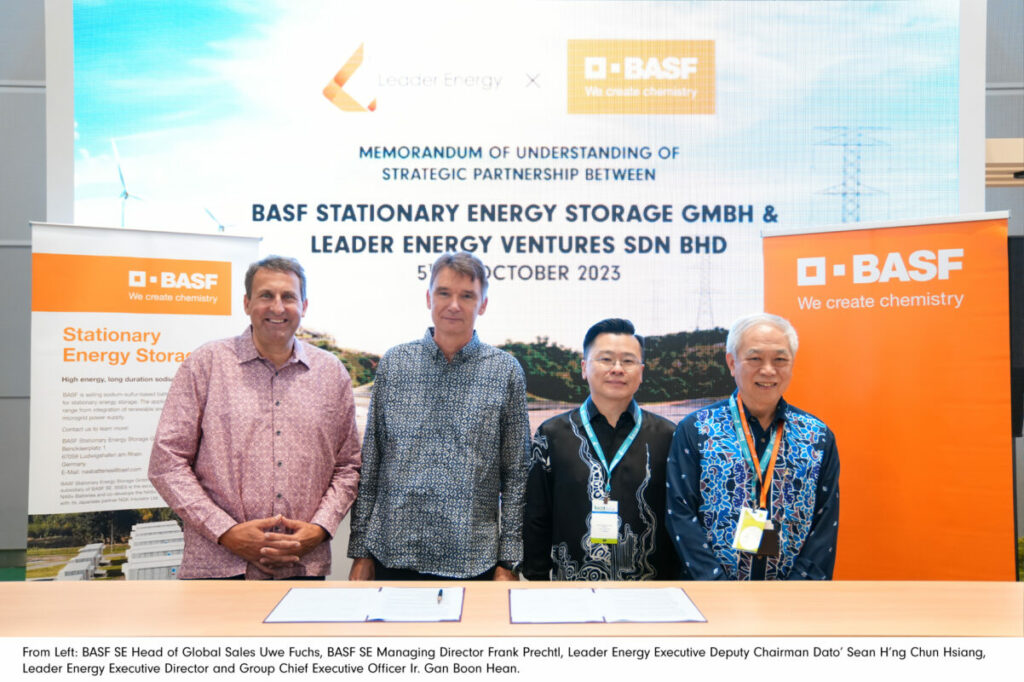
Malaysian manufacturing firm Leader Energy has tied up with BASF Stationary Energy Storage to develop long-duration energy storage projects in Southeast Asia using the sodium-sulfur battery technology of NGK.
BASF Stationary Energy Storage (BSES), itself a subsidiary of German chemical company BASF SE, will work with Leader Energy to develop long-duration storage projects across the region, including Malaysia.
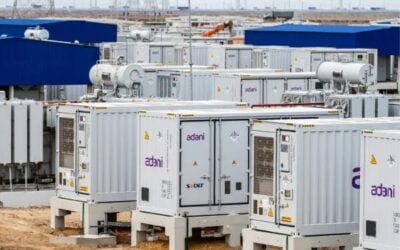
BSES is an exclusive global distributor of the sodium-sulfur (NAS) battery technology developed by NGK Insulators, a Japan-based industrial ceramics firm which has developed the technology designed for medium to long-duration energy storage (LDES) and other stationary applications.
Leader Energy, a subsidiary of HNG Capital, noted that it had “identified” eight storage projects in the area, although did not specify whether these were existing projects in which it planned to invest, or sites for potential new projects.
Try Premium for just $1
- Full premium access for the first month at only $1
- Converts to an annual rate after 30 days unless cancelled
- Cancel anytime during the trial period
Premium Benefits
- Expert industry analysis and interviews
- Digital access to PV Tech Power journal
- Exclusive event discounts
Or get the full Premium subscription right away
Or continue reading this article for free
The company did note, however, that it values the eight projects at RM1.8 billion (US$380 million), a valuation which suggests that its work with BSES could be of significant ambition for the two companies.
“As we embark on our continuous pursuit towards net zero emissions, we are proud to announce our strategic partnership with BSES,” said Leader Energy’s executive deputy chairman Dato’ Sean H’ng Chun Hsiang. “Our commitment towards sustainability is evident as showcased by the list of projects we intend to be involved in using NAS batteries.
“In addition, it will alleviate the concerns for nighttime practicality, when solar irradiance is unavailable. Ultimately, we intend to encourage others to gradually embrace the push towards a more sustainable future.”
The use of sodium-sulfur/NAS batteries is particularly significant, as these storage systems are some of the most well-established in the battery sector.
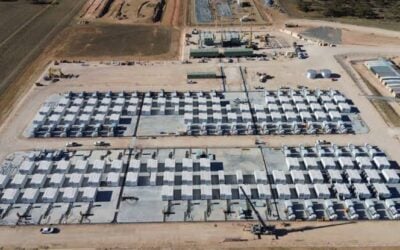
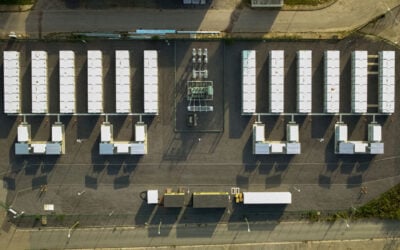
The sodium-sulfur/NAS batteries are developed by Japanese firm NGK Insulators, and an NAS battery functions in a with an output of 250kW and a storage capacity of 1,450kWh. They can also discharge energy for six hours, and this long-term function could help tackle some of the issues surrounding solar irradiance that Leader Energy is aware of.
Last year, BSES announced plans to sell NAS batteries with a capacity of 12MWh to South Korean firm G-Philos, and collaborate to “develop and market energy storage systems” based on the technology. As a result, the arrangement between BSES and Leader Energy is the former’s second investment into NAS batteries in southeast Asia, as interest in the technology appears to be growing in the region.