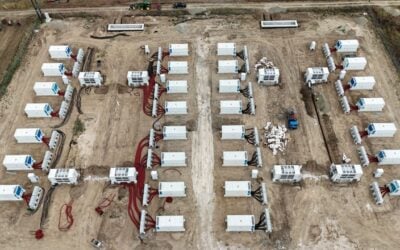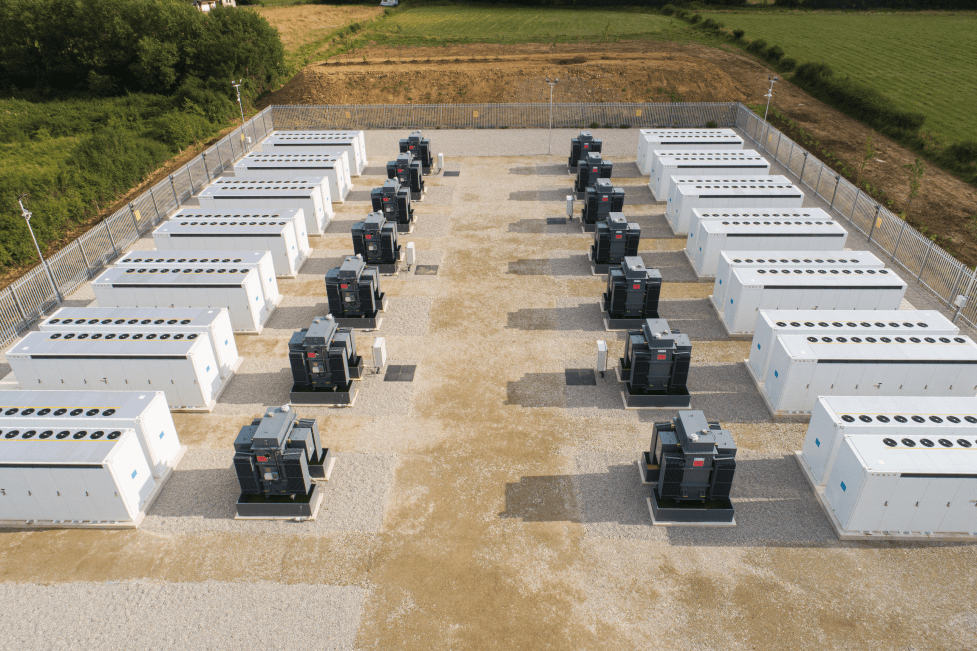
Investor Fotowatio Renewable Ventures (FRV) has acquired a 600MW portfolio of battery energy storage system (BESS) projects in development in Greece.
The Madrid-based renewables investor has acquired the set of projects from local developer Wootis SA.
The BESS units are ‘well advanced’ in their development, a press release said, and will come online over the next 12-18 months, between Q3 2023 and Q2 2024. FRV claimed it is the largest portfolio of battery storage systems in the country.
Wootis specialises in the management and monitoring of renewable energy assets, as well as operation and maintenance (O&M) services. The two companies will collaborate on developments in addition to the transacted portfolio.
Try Premium for just $1
- Full premium access for the first month at only $1
- Converts to an annual rate after 30 days unless cancelled
- Cancel anytime during the trial period
Premium Benefits
- Expert industry analysis and interviews
- Digital access to PV Tech Power journal
- Exclusive event discounts
Or get the full Premium subscription right away
Or continue reading this article for free
Fady Jameel, deputy president and vice chairman of FRV’s parent company Abdul Latif Jameel, the Saudi conglomerate, said: “Greece has demonstrated a remarkable commitment to achieving its target of doubling the country’s green energy capacity by 2030, which we are excited to take part in with this project.”
Energy-Storage.news reported on the EU country’s doubling of its energy storage deployment target from 1.5GW to 3GW by 2030 back in April this year. Several announcements involving large project portfolios since then have indicated it is likely to easily achieve this goal.
In September, the EU approved state aid to the tune of €341 million for a 900MW pipeline of energy storage projects, to be sourced from Greece’s portion of the Recovery and Resilience Plan, the EU-wide economic programme to mitigate the negative effects of the Covid pandemic.
That pipeline refers mainly to grid-connected utility-scale projects while a recent announcement from Nanotech will see it aim to deploy over 1GWh of commercial and industrial-sited units in Greece, highlighting its many islands as good potential locations.
The Greek energy storage market was highlighted as a strong opportunity by two UK companies interviewed by Energy-Storage.news recently – investor Gore Street Capital and battery insurtech firm Altelium.
Energy-Storage.news’ publisher Solar Media will host the eighth annual Energy Storage Summit EU in London, 22-23 February 2023. This year it is moving to a larger venue, bringing together Europe’s leading investors, policymakers, developers, utilities, energy buyers and service providers all in one place. Visit the official site for more info.