A large-scale energy storage project to be built in Texas will take advantage of the system’s flexibility to deliver multiple services, as opportunities grow in the state’s Electricity Reliability Council of Texas (ERCOT) market.
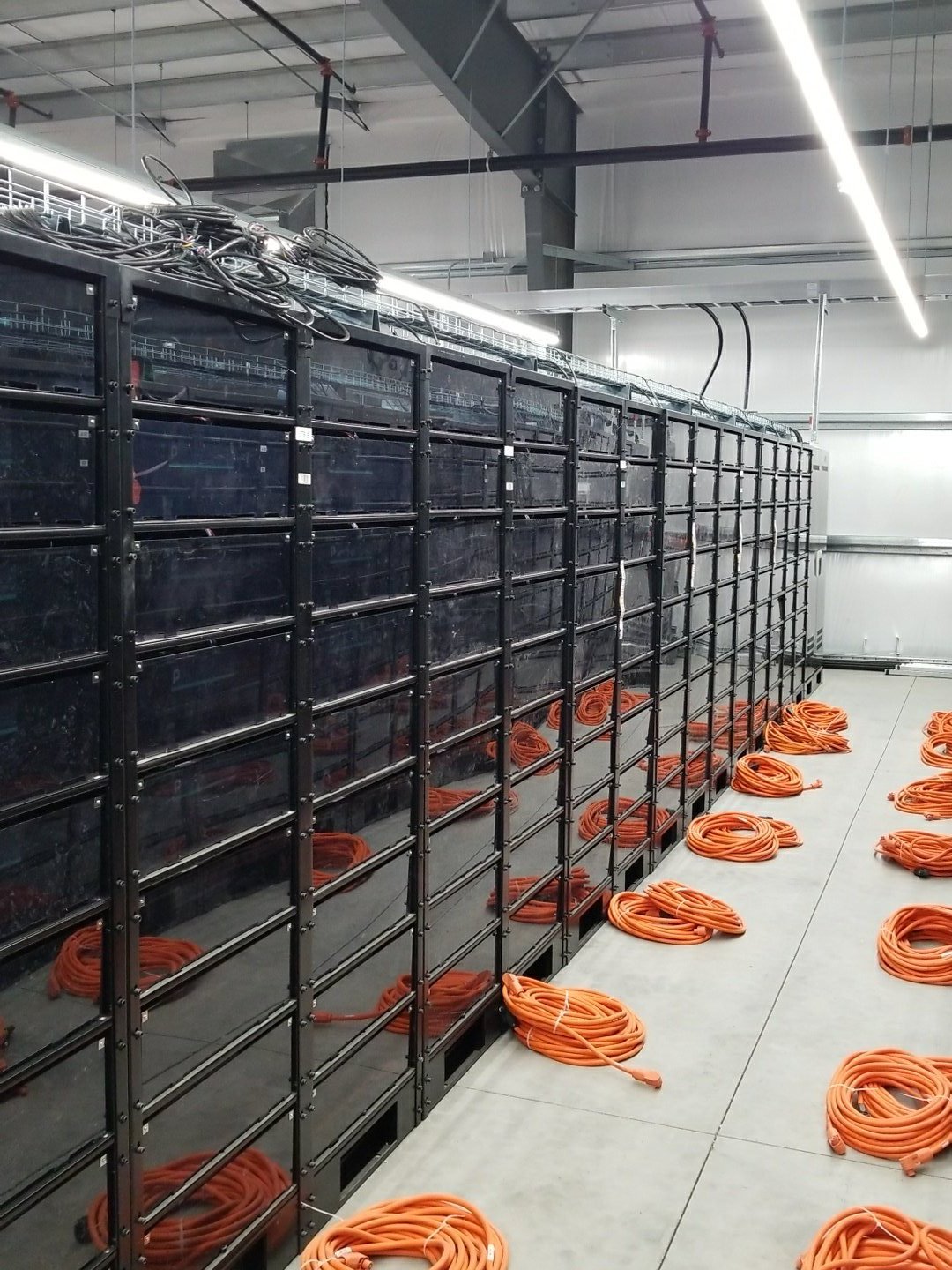
Independent power producer (IPP) GlidePath Power has contracted Oregon-headquartered Powin Energy to construct a 10MW / 10MWh energy storage system (ESS) utilising lithium iron phosphate (LFP) battery technology at an as-yet unspecified location in the ERCOT service area.
A GlidePath representative told Energy-Storage.news that the project “has the potential to be co-located” with renewable energy facilities, in a state where there is a large installed capacity of wind energy and a growing interest in solar. The company was tight-lipped on revealing which applications the system will serve but instead issued a general statement on various opportunities within ERCOT.
“ERCOT is a highly competitive market with room for multiple technologies to participate in providing energy, ancillary service and reliability functions,” the GlidePath spokesman said.
Try Premium for just $1
- Full premium access for the first month at only $1
- Converts to an annual rate after 30 days unless cancelled
- Cancel anytime during the trial period
Premium Benefits
- Expert industry analysis and interviews
- Digital access to PV Tech Power journal
- Exclusive event discounts
Or get the full Premium subscription right away
Or continue reading this article for free
“GlidePath is excited to enter this market with an energy storage system that will demonstrate great value to ERCOT consumers in a market projecting historically low planning reserve margins.”
Going forward, demand for electricity is rising rapidly in Texas, while GlidePath quoted figures to Energy-Storage.news from ERCOT’s preliminary assessment for total resource capacity in the 2019 summer season that show a planning reserve margin of just 7.4% with “total resource capacity being extremely narrow”, the spokesman said.
As well as this shortfall in planned reserve capacity which ESS could help bridge, ERCOT is seeking ways to add dispatchable energy storage markets, in common with other RTOs and ISOs around America. The ERCOT grid is not interconnected with the rest of the US’ electricity networks and does not fall under the jurisdiction of the Federal Energy Regulatory Commission (FERC) Order 841, instructing network operators to incorporate energy storage into wholesale markets.
Nonetheless, GlidePath said the company believes moves by transmission operators including ERCOT to “take advantage of the increasingly cost-competitive technology and the versatility of functions energy storage can demonstrate for the grid and to the market… is just the beginning of seeing market evolutions in bringing storage to the forefront of providing much-needed flexibility to the grid operators”.
IPPs as ‘dynamic stakeholders in the grid community’
GlidePath said it had selected Powin Energy to provide and construct the turnkey system due to the multi-use flexibility and data fidelity/exposure that Powin’s energy management systems (EMS) and battery management systems (BMS) are capable of, which GlidePath described as “industry leading”.
“These features allow GlidePath to leverage a strong commercial base case while maximising future upside from additional use cases at the same site. The site is being designed to easily expand the DC capacity to four- to six-hour duration use cases when they evolve in ERCOT,” GlidePath said.
“This flexibility also allows GlidePath to be a dynamic stakeholder in the grid community as new grid services are contemplated.”
A Powin representative told Energy-Storage.news that the company positions itself as a full services integrator, providing a customer with a single point of responsibility in the event of a problem occurring. The company has delivered around 75MWh of energy storage into North America and claims a further 1GWh+ pipeline of additional awarded battery projects to be deployed in the two years. The Powin spokesman claimed that approximately 150MWh of that pipeline will be deployed by Q3 2019, providing applications including peak demand management, solar load shifting and thermal ramping capacity.
The pipeline appears to have grown rapidly. In September last year Energy-Storage.news reported that Powin Energy had claimed a pipeline close to 500MWh under contract for construction by 2021. Powin pivoted from energy storage project development to become more of a technology provider in late 2017 with the sale of a 116MWh portfolio. Forthcoming large-scale projects for the company include a 6.5MW / 26MWh project for utility San Diego Gas & Electric (SDG&E) in California.