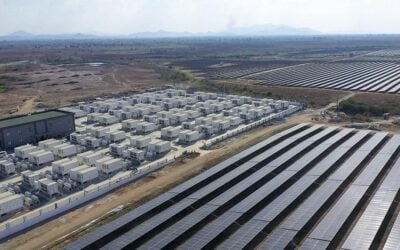
Equis has launched GreenPoint Energy, a wholly owned subsidiary consolidating its Australian renewable energy and battery storage operations under a dedicated platform, with a 2.5GW portfolio of 12 battery energy storage systems (BESS) and wind projects across every National Energy Market (NEM)-connected state.
The Singapore-based infrastructure investor announced the formation today (21 May), formalising operations that have been active in Australia since 2021.
GreenPoint Energy comprises the entire Equis Australia business, including all staff and assets, and will continue to develop, construct, and own renewable energy and energy transition infrastructure in the long term.
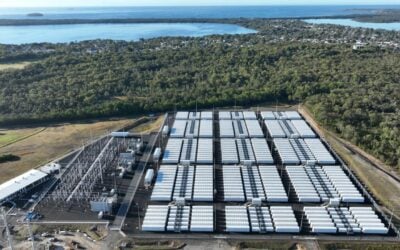
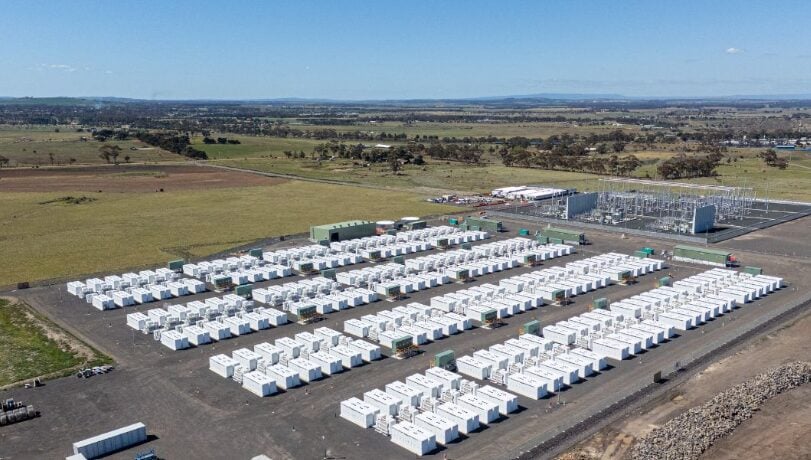
The portfolio includes the 600MW/1.6GWh Melbourne Renewable Energy Hub (MREH), which reached full commercial operations in December 2025,.
Try Premium for just $1
- Full premium access for the first month at only $1
- Converts to an annual rate after 30 days unless cancelled
- Cancel anytime during the trial period
Premium Benefits
- Expert industry analysis and interviews
- Digital access to PV Tech Power journal
- Exclusive event discounts
Or get the full Premium subscription right away
Or continue reading this article for free
The AU$1.1 billion (US$790 million) project, developed in partnership with Victoria’s State Electricity Commission, features 444 Tesla Megapack units and hosts the first operational 4-hour BESS in the NEM. The facility was delivered on schedule and within budget following a construction timeline that began in December 2023.
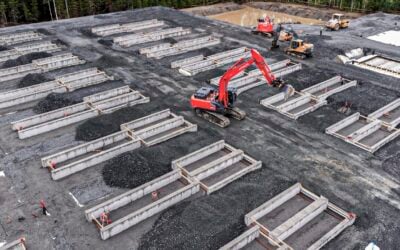
GreenPoint Energy is currently constructing two additional BESS projects. The 250MW/500MWh Calala BESS in New South Wales, which secured what Equis claims was the state’s first merchant BESS debt financing in March 2025, is scheduled to reach commercial operation in the first half of 2027.
Meanwhile, the 200MW/800MWh Koolunga BESS in South Australia is targeting commercial operation in the first half of 2028. Both projects have secured support under the federal government’s Capacity Investment Scheme (CIS), alongside private-sector offtake agreements.
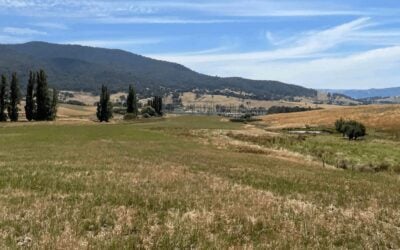
The platform’s wind portfolio includes the 600MW Jackson North Wind Farm in Queensland’s Western Downs Region and the 190MW Bell Bay Wind Farm in Tasmania. Bell Bay Wind Farm is the only wind project in Tasmania to secure support from the CIS, receiving backing as part of the programme’s fourth tender round.
For readers unaware, Australia’s CIS provides long-term revenue guarantees for renewable energy and storage projects through competitive auctions, offering a revenue floor and ceiling mechanism designed to reduce investment risk.
GreenPoint Energy contracts at least 70% of revenue under long-term offtake agreements on a 10-year rolling basis, an approach the company said de-risks cash flows and delivers competitive pricing to counterparties.
The platform has signed multiple long-term agreements with investment-grade corporates, utilities and government-backed offtakers.
“The launch of GreenPoint Energy represents the natural evolution of our Australian investment strategy,” said David Russell, managing director of Equis and chairman of GreenPoint Energy.
“Since 2021, we have built a platform that has consistently outperformed competitors while avoiding the pitfalls constraining other market entrants – grid connection queues, planning lead times, contractor availability, and offtake competition.”
The launch comes as Australia’s battery storage pipeline continues to expand. Standalone battery storage in the NEM reached 33.2GW in the first quarter of 2026, representing a 62% increase from the 20.5GW recorded in the first quarter of 2025, according to the Australian Energy Market Operator’s (AEMO’s) Connections Scorecard.
Utility-scale battery storage now accounts for 49% of the total 67.3GW of projects advancing through the NEM connection process.
GreenPoint Energy will be led by its founders, David Russell, Roby Camagong, and Mahesh Reddy Indluri. The founders have raised and managed AU$6.1 billion of equity invested into over 250 renewable energy and energy transition assets across 10 countries.
Interested in Australia? Read Energy-Storage.news’ Energy Storage Summit Australia coverage and related content.