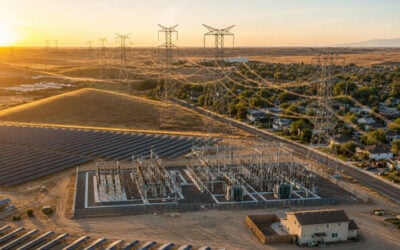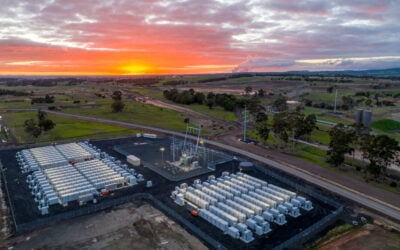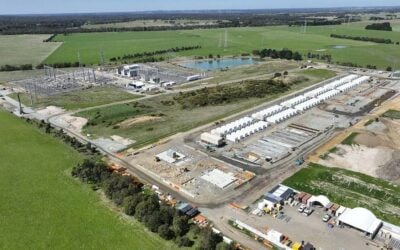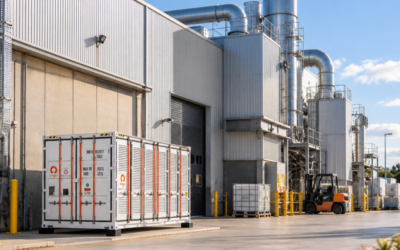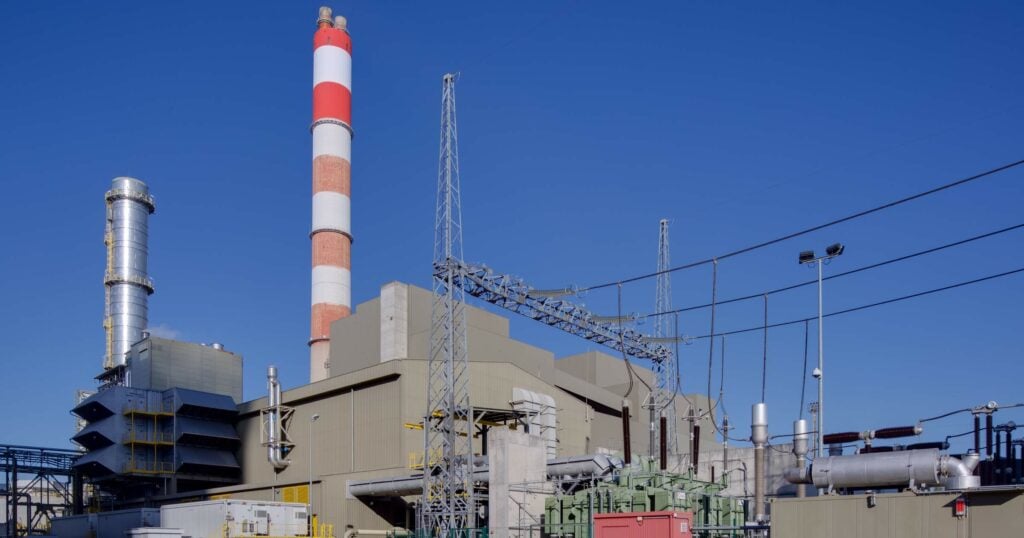
Endesa Generación Portugal, part of Enel Group, has been award the connection rights to develop a renewable energy project combining solar, wind, green hydrogen and a 168.6MW battery energy storage system (BESS) to replace the country’s last coal power station.
Endesa has been awarded connection rights of 224 MVA to install 365MWp of solar energy, 264MW of wind energy, with integrated BESS of 168.6MW. The project in the Abrantes region will also include a 500kW electrolyser which will produce green hydrogen.
The project, the winning applicant in a tender to convert a coal power plant in the parish of Pego, will require a total investment of €600 million (US$660 million). The investment is not subject to external financial aid as it is economically sustainable, the press release said.
The BESS will inject the stored renewable energy into the Public Service Electricity Grid (RESP) in, it added, a “dynamic and optimised way, reducing energy losses and optimising its use.”
Try Premium for just $1
- Full premium access for the first month at only $1
- Converts to an annual rate after 30 days unless cancelled
- Cancel anytime during the trial period
Premium Benefits
- Expert industry analysis and interviews
- Digital access to PV Tech Power journal
- Exclusive event discounts
Or get the full Premium subscription right away
Or continue reading this article for free
The green hydrogen electrolyser will manage the surpluses that exceed the BESS’ storage capabilities. Portugal’s deputy minister and secretary of state for energy João Galamba, a regular speaker at events produced by Energy-storage.news‘ parent company Solar Media, has made the case for green hydrogen in the past.
However, the 500kW electrolyser appears relatively small in comparison with other renewables generation-plus-storage developments like the Horizeo project in France which will have a 10MW electrolyser. Though it should be said that that project, launched by Multinational utility Engie and renewables developer Neoen, has a much smaller BESS at 40MW.
The 628MW Pego coal power plant was the last in the country and stopped producing electricity with coal in November last year, marking the end of Portugal’s era of coal use. Endesa says it has formulated a training plan which can accommodate more than 2,000 people. The plant was managed by a joint venture between Endesa and Trustenergy (itself a joint venture between another energy giant Engie and Japanese conglomerate Marubeni).
Enel Green Power is Enel’s main renewable energy subsidiary – the largest renewable energy group in the world, it claims – and has been busy in Spain recently, ordering both vanadium redox flow and iron flow batteries for customer sites.
Portugal is meanwhile also one of the few countries in Europe with large pumped hydro projects coming online soon, too, with a 880MW plant in the north set to be fully operational in the middle of 2022.