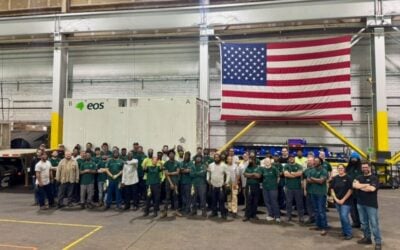
Second life energy storage and BMS firm Element Energy has commissioned the largest project in the world using repurposed EV batteries, it claimed, with LG Energy Solution (LG ES) Vertech revealed as a system integration partner going forward.
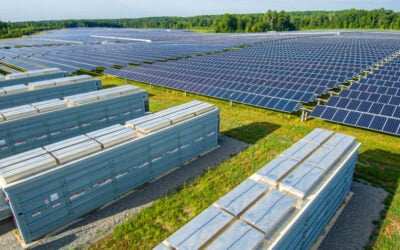
California-based Element Energy revealed yesterday (21 November) that the project in Texas, which uses 900 electric vehicle (EV) batteries, has been online and providing energy and power to the state’s grid (managed by ERCOT) since May 2024.
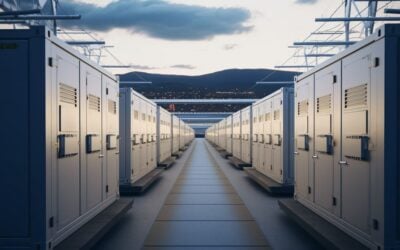
It totals 53MWh of energy storage capacity making it the largest second life battery energy storage system (BES) in the world, Element claimed.
The firm’s main technology is its proprietary battery management system (BMS) tool which CEO Anthony Stratakos discussed in an interview at the start of 2023, saying it led the firm into the second life space where it could demonstrate the BMS’ usefulness. It has raised over US$100 million to scale up.
Try Premium for just $1
- Full premium access for the first month at only $1
- Converts to an annual rate after 30 days unless cancelled
- Cancel anytime during the trial period
Premium Benefits
- Expert industry analysis and interviews
- Digital access to PV Tech Power journal
- Exclusive event discounts
Or get the full Premium subscription right away
Or continue reading this article for free
A few months later, Energy-Storage.news heard from an anonymous source that the firm’s 2GWh of used EV batteries it had at its disposal – far higher than anyone else in the second life space – were mainly LG batteries recalled from the market due to fire safety concerns. Element Energy responded saying it had never revealed the source of its batteries.
It has also never revealed the customer of the BESS project, but separate Department of Energy (DOE) announcements at the time revealed it was independent power producer (IPP) NextEra Energy Resources, which owns the wind farm with which it is co-located. The project received a US$7.9 million DOE grant.
Concurrently with the ERCOT project announcement, Element Energy has revealed a partnership with LG ES Vertech to together offer turnkey second life BESS solutions for select customers.
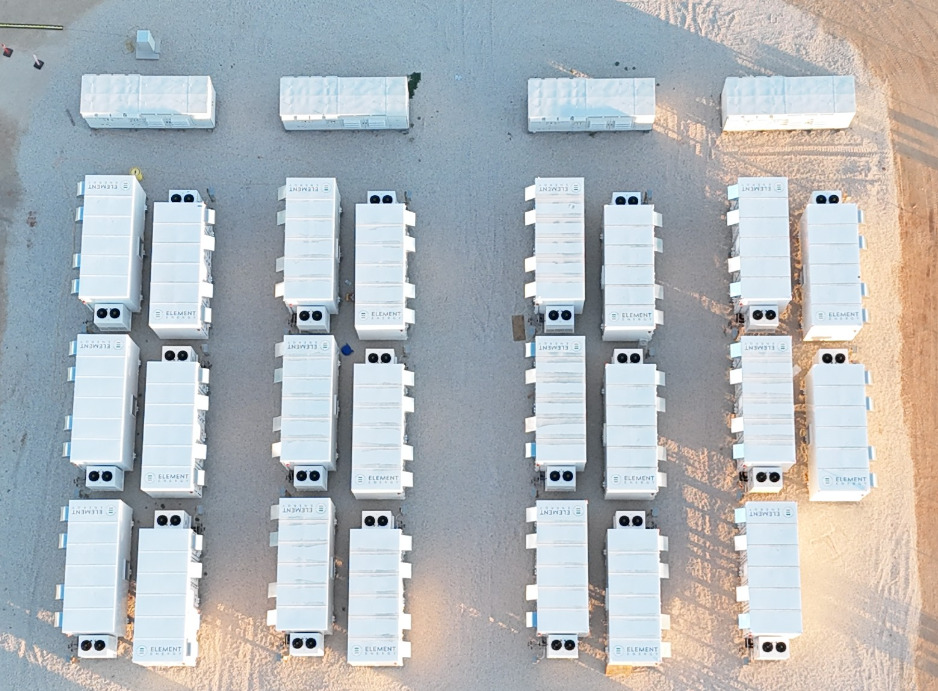
Element will provide containerised second life BESS units and its BMS hardware and software, while Vertech will system integration, power equipment, energy management system (EMS) hardware and software plus operations and maintenance (O&M) services.
The announcement didn’t say if Vertech was the system integrator for the Texas project.
LG Energy Solution Vertech was formed when LG Energy Solution, the South Korean conglomerate’s battery arm, acquired NEC Energy Solutions in February 2022, then the largest system integrator in the world.
Energy-Storage.news caught up with Hyung-Sik Kim, Vertech’s CEO, at this year’s RE+ clean energy trade show in California in September (Premium access article) discussing, among other things, its vertical integration.
In April, we looked at what rapid falls in lithium-ion battery prices meant for the second life energy storage space (also Premium).