Thermal energy storage (TES) startup Rondo Energy has announced its second 100MWh project within a matter of weeks, at a brewery in Portugal.
US-headquartered Rondo Energy will deploy a large-scale industrial TES system based on its Rondo Heat Battery (RHB) technology for beer company Heineken in Portugal.
Announced yesterday by partners Rondo, Heineken and Portuguese electric utility EDP, the asset will be used to provide steam at the beverage maker’s Central de Cervejas e Bebidas Vialonga Brewery and Malting Plant near the capital, Lisbon.
The industrial steam supply will be continuous and powered by renewable energy. The three parties have just signed contracts for the project. The contracts include a flexible solar PV power purchase agreement (PPA) for 25GWh per year of electricity. The clean energy will be generated by a 7MWp solar PV power plant, which EDP will install on the brewery grounds.
Try Premium for just $1
- Full premium access for the first month at only $1
- Converts to an annual rate after 30 days unless cancelled
- Cancel anytime during the trial period
Premium Benefits
- Expert industry analysis and interviews
- Digital access to PV Tech Power journal
- Exclusive event discounts
Or get the full Premium subscription right away
Or continue reading this article for free
Meanwhile, Heineken and Rondo Energy have signed a heat purchase agreement (HPA), with the project scheduled to go live in April 2027, according to Heineken.
The beer company stated that the project will enable it to cap energy prices and provide fixed certainty to a critical element of its input costs.
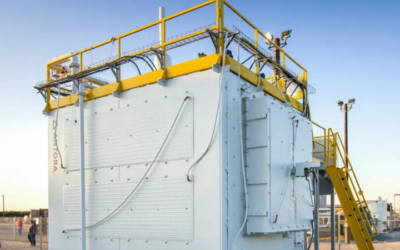
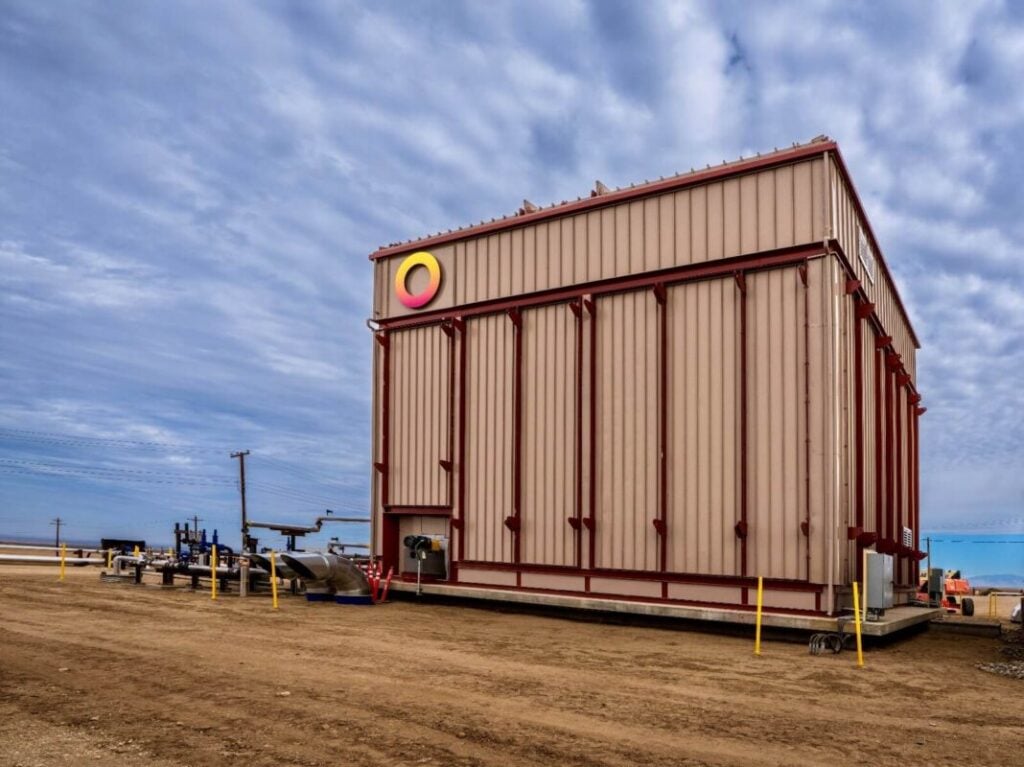
The project contract signings come just a couple of weeks after Rondo’s announcement that commercial operation has begun of its first 100MWh RHB system at an industrial facility in California, the technology provider’s home state.
Customer Holmes Western Oil Corporation will also use the RHB to produce steam, reducing gas consumption and powering the thermal storage unit’s charging directly from solar. Rondo said the installation was carried out without any disruption to Holmes Western Oil’s ongoing production and processes.
The RHB contains a type of refractory brick that is stacked inside and retains heat when charged through the warming of Joule heaters with electricity. Thermal radiation from the heaters takes the bricks up to as high as 1500°C during storage.
When discharging, air superheated to over 1000°C is sent through the bricks, allowing heat to be outputted at the desired delivery rate and temperature, controlled by Rondo Energy’s proprietary AI software and controls.
Heat is released for use, while air is recycled back through the system to minimise heat loss. Rondo claims the technology enables hours or days of storage at a round-trip efficiency (RTE) of over 97%.
Rondo signed a deal with EDP in 2024 to leverage up to 400MW of new solar and wind capacity for as much as 2GWh of RHB projects, with the heat offered to EDP’s energy intensive clients.
The thermal storage startup counts Bill Gates’s Breakthrough Energy among its investors and has said previously that it hopes to ramp up annual production capacity to 90GWh. It made its first commercial-scale deployment in 2023, a 2MWh project in California.