Not only can energy storage be used to “mimic” the roles of existing assets in the electricity network, a gigawatt-scale initiative in Germany shows how ways of thinking about energy storage could save transmission and networks “billions of dollars”, the COO of Fluence has said.
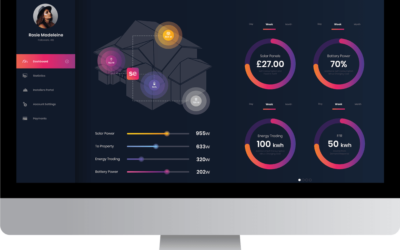
In what is unlikely to become a regular feature of Energy-Storage.news, but seems apt nonetheless, this edition rounds up news from some of the latest behind-the-meter orchestras of small-scale resources in the past few weeks.
Lithium-ion waste from a solar lantern scheme run by oil & gas major Total in Kenya will be recycled into new batteries for solar home systems by start-up Aceleron.
Lithium-ion battery manufacturer Samsung SDI has claimed an industry first, passing UL9540A test certification for the safe installation of stationary energy storage systems (ESS), with particular regard to the fire risk posed by thermal runaway.
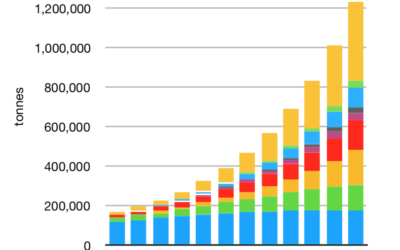
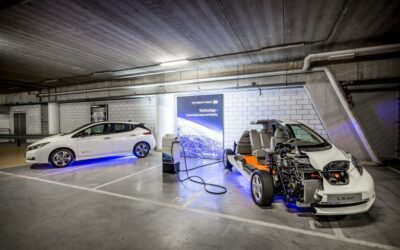
While recycling of lithium and other materials such as cobalt from batteries will greatly increase in the coming years, the potential availability of second life batteries should not be underestimated, according to new research and data.
Vanadium producer Bushveld Minerals has offered its backing to the merger of UK energy storage provider redT with US vanadium redox flow battery maker Avalon Battery, providing a loan to help the deal get over the line – and to help its own vertical integration ambitions.
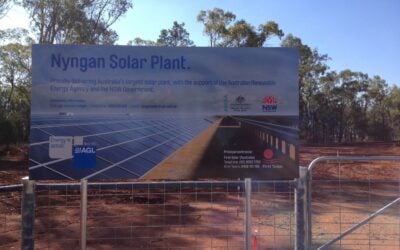
Large-scale solar farm developer Maoneng Energy said it is expanding its battery energy storage portfolio in Australia, after signing a deal for 400MWh of projects with major utility company AGL.
After a power failure and fire at a battery storage system in South Korea was investigated, DNV GL has reported that “current approaches” for monitoring and preventing fires may be inadequate and could result in “small failures” becoming “major issues”.
By the middle of the 2020s, using hybrid ‘portfolios’ of batteries and renewable energy sources will economically outperform existing gas power plants, while the combination of technologies is already cost-competitive with building new gas plants, a new report from the US-based Rocky Mountain Institute has said.
Softbank Group’s SB Energy subsidiary is among investors that contributed to a successful US$30 million Series C funding round for ESS Inc, a US-headquartered manufacturer of iron flow batteries that use a proprietary saltwater electrolyte.