Australian real estate developer Mirvac looks set to put a sizeable amount of solar-plus-storage into brand new homes in Sydney and Brisbane, with help from the national Clean Energy Finance Corporation.
Echoing similar deals struck in regions including Australia and the US over the past couple of years, including Sonnen’s 3,000 home development project in Arizona with Mandalay Homes, and Georgia Power recently offering up a ‘smart neighbourhood’ for sale, three new “masterplanned” communities of more than 300 residences each will be sold, equipped with integrated clean energy and energy efficient technologies.
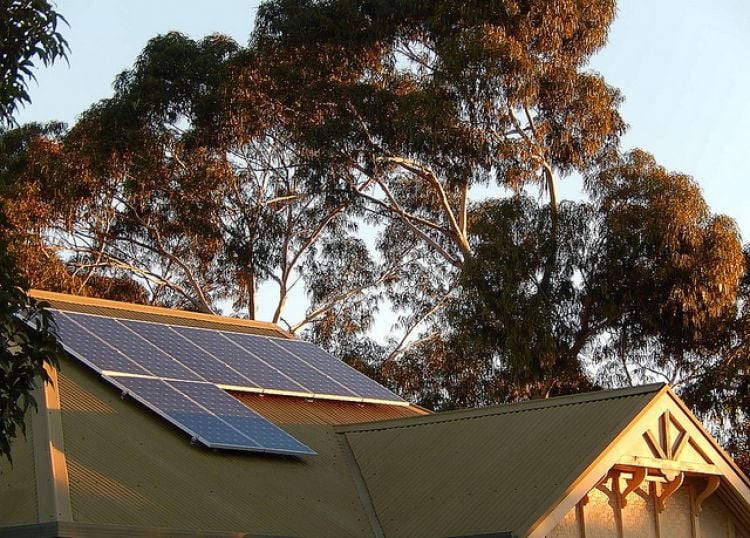
The three and four bedroom houses will come with solar PV and battery energy storage, LED lighting, high-grade insulation and other energy efficiency measures. PV systems on the roofs with 5.1kW generation capacity each paired with a 10kWh battery energy storage system. In that part of the world, this could enable 90% of the household’s energy consumption to come from the solar-plus-storage installation.
Mirvac is still seeking planning approvals and has not named technology suppliers yet. However the developer said it expects construction to begin this year, with homes to be ready for sale and moving into by late next year.
Try Premium for just $1
- Full premium access for the first month at only $1
- Converts to an annual rate after 30 days unless cancelled
- Cancel anytime during the trial period
Premium Benefits
- Expert industry analysis and interviews
- Digital access to PV Tech Power journal
- Exclusive event discounts
Or get the full Premium subscription right away
Or continue reading this article for free
Clean Energy Finance Corporation said it will commit up to AU$90 million (US$70.56 million) in debt finance for the development’s energy suites, as part of its Sustainable Cities Investment Program, seeking to invest AU$1 billion into it over 10 years. CEFC CEO Ian Learmouth said that the inclusion of the smart and clean energy technology at the time of construction means that the solar-plus-storage system and energy efficiency measures will come at no extra cost to the homebuyer.
“Mirvac is proud to partner with the CEFC as we deliver against our bold target to be net positive in energy and water by 2030 and provide technology in our homes which helps people towards zero bills living,” Mirvac’s general manager for sustainability and reputation, Sarah Clarke.
Meanwhile CEFC’s property sector lead Chris Wade said that Mirvac would be sharing data on energy use and savings, which could be shared with the wider industry.
“Our goal is to see these built-in sustainability measures become the ‘new normal’ for Australian homes as part of our broader efforts to encourage net zero carbon buildings,” Wade added.
A 2017 report from the government’s scientific R&D agency CSIRO and Energy Networks Australia (ENA) found that Australia could save AU$101 billion (US$75 billion) by 2050 and completely eliminate greenhouse gas emissions using solar with battery energy storage. On another related note, Australia’s Capital Territory is supporting the planned roll-out of 36MW of customer-sited batteries by funding a AU$3 million round of rebates.