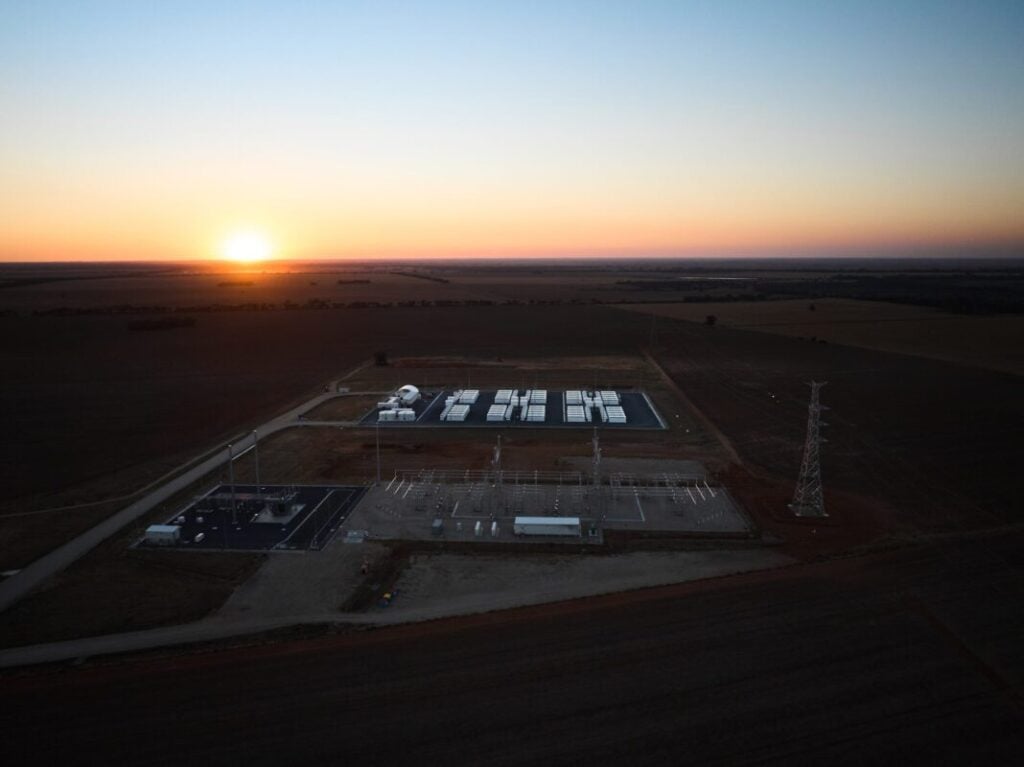
The New South Wales (NSW) Independent Planning Commission has approved Edify Energy’s 400MWh Burroway solar-plus-storage project, overcoming more than 50 community objections that triggered the state planning review process.
The AU$379 million (US$267 million) project, located 18km north of Narromine within the Central-West Orana Renewable Energy Zone (REZ), received approval on 22 December 2025 following an assessment that addressed community concerns about agricultural land loss and visual impacts.
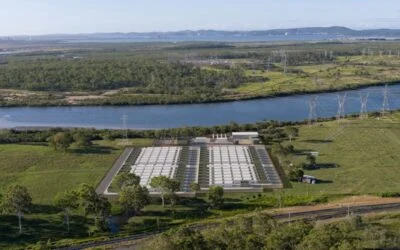
The facility will feature approximately 200,000 solar PV modules on single-axis tracking systems alongside a 100MW/400MWh battery energy storage system (BESS) with 4-hour duration capability.
A common trend across many of Edify Energy’s projects is the co-location of 4-hour-duration BESS assets, such as the Muskerry solar PV power plant, a 250MW solar-plus-storage project in Victoria, which includes plans for a 200MW/800MWh co-located BESS.
Try Premium for just $1
- Full premium access for the first month at only $1
- Converts to an annual rate after 30 days unless cancelled
- Cancel anytime during the trial period
Premium Benefits
- Expert industry analysis and interviews
- Digital access to PV Tech Power journal
- Exclusive event discounts
Or get the full Premium subscription right away
Or continue reading this article for free
Construction on the Burroway project is expected to create approximately 250 full-time jobs over a 20-month build period, with five ongoing operational positions once the facility becomes operational. Construction will be undertaken in four stages, and once complete, it will have a 50-year operational lifespan.
The application was referred to the Independent Planning Commission for determination after receiving more than 50 public objections during the Department of Planning, Housing and Infrastructure’s assessment period.
Under NSW planning legislation, projects attracting this level of community opposition must be decided by the independent commission rather than departmental officials.
Addressing agricultural concerns
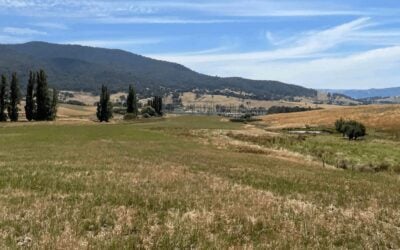
Close to half of the community submissions raised concerns about the potential loss of agricultural land, with the 495-hectare site currently used for broadacre cropping.
However, the commission found these concerns were adequately addressed through the project’s design and proposed conditions.
The site is not classified as biophysical strategic agricultural land, with soil capability mapping identifying areas ranging from class 3 to class 6, indicating moderate to severe agricultural limitations.
The commission noted that the proposed battery storage system and substation have been strategically located in the poorest-quality class 6 areas of the site.
“The Project’s temporary impacts on agriculture are negligible when considered in the context of the gross product value and overall agricultural activity within the Narromine LGA,” the commission stated in its decision document.
The development footprint, combined with other solar projects across the Central West and Orana region, represents just 0.19% of the 8.9 million hectares currently used for agricultural production.
The commission-imposed conditions require Edify Energy to return the site to pre-existing agricultural capability levels following decommissioning, while also allowing for potential agrisolar operations during the project’s operational phase.
NSW’s Department of Primary Industries and Regional Development supported the approval, subject to the implementation of grazing management or vegetation management plans.
The commission’s two-member panel, comprising Chair Andrew Mills and Sarah Dinning, conducted site inspections and stakeholder meetings before reaching their decision.
Despite scheduling public consultation sessions, no community members registered to participate, in contrast to the significant written objections received during the initial assessment phase.
As noted by the commission’s decision, the development aligns with state government policies and serves the public interest, despite the community concerns raised during the assessment process.
The Energy Storage Summit Australia 2026 will be returning to Sydney on 18-19 March. It features keynote speeches and panel discussions on topics such as the Capacity Investment Scheme, long-duration energy storage, and BESS revenue streams. ESN Premium subscribers receive an exclusive discount on ticket prices.
To secure your tickets and learn more about the event, please visit the official website.