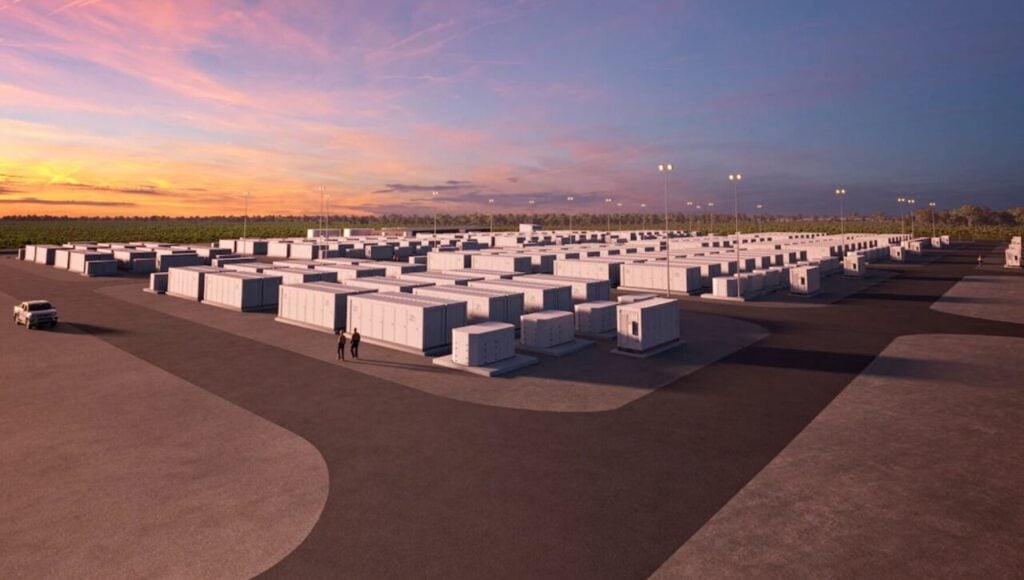
Australian utility AGL Energy has submitted a 50MW/100MWh battery energy storage system (BESS) at Toronto on the New South Wales Central Coast for federal environmental assessment under the Environment Protection and Biodiversity Conservation (EPBC) Act.
The 50MW/100MWh Awaba BESS is proposed for a 1.45-hectare project area near Toronto, directly adjacent to the existing Ausgrid Awaba Substation northwest of Lake Macquarie.
The system will connect to the grid via the neighbouring substation using underground or overhead 33kV sub-transmission lines, giving it a direct grid connection without requiring new connection infrastructure beyond the immediate site boundary.
The project already holds development consent for State Significant Development (SSD) under the NSW Environmental Planning and Assessment Act 1979, meaning the EPBC submission is the final federal environmental assessment step required before construction can proceed.
Try Premium for just $1
- Full premium access for the first month at only $1
- Converts to an annual rate after 30 days unless cancelled
- Cancel anytime during the trial period
Premium Benefits
- Expert industry analysis and interviews
- Digital access to PV Tech Power journal
- Exclusive event discounts
Or get the full Premium subscription right away
Or continue reading this article for free
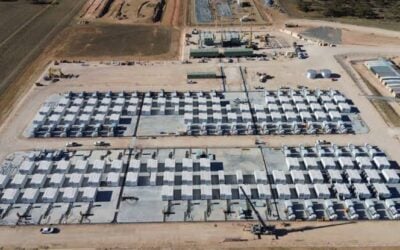
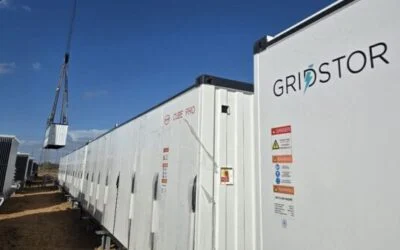
The proposed system will use enclosed lithium-ion or sodium-ion batteries with a total delivery of up to 50MW AC power output and 100MWh of storage capacity, which may be delivered in stages.
According to the EPBC Act application, the battery units will be manufactured off-site and delivered to the site following completion of ground preparation, which includes levelling and bench construction.
Construction is expected to take approximately 12 months, with the facility operating 24 hours a day, seven days a week for a design life of 20 years, extendable to 30 years through battery module replacement.
The disturbance footprint of 1.45 hectares comprises 0.57 hectares of native vegetation, including trees along Awaba Road; 0.49 hectares of exotic grassland; and 0.39 hectares of the existing cleared access track and substation area.
The EPBC submission notes that parts of the footprint have been historically cleared for the existing Ausgrid substation and an asset protection zone, meaning a portion of the vegetation present has already been degraded.
The Awaba BESS is designed for connection to Ausgrid’s distribution network in the Hunter region, positioning it as a firming asset in a part of the state where coal generation from the Hunter Valley has historically provided baseload supply.
Battery storage systems in Australia’s EPBC Act
The Awaba submission forms part of a broader acceleration of EPBC Act battery storage system referrals across New South Wales.
Eku Energy recently submitted two 300MW/1,200MWh projects in Victoria and New South Wales to the EPBC Act, continuing a pattern of standardised project templates moving through the federal approvals pipeline in parallel.
Ausgrid’s PLUS Grid Storage entity also submitted the 150MW/300MWh Berkeley Vale BESS to the EPBC Act earlier in 2026, another Central Coast project designed to connect to Ausgrid’s distribution network.
Alongside this, Iberdrola Australia recently submitted a 1,000MW battery storage system to the EPBC Act, while, last week, Goldwind Capital submitted a 1GWh wind-plus-storage site.
Our publisher, Solar Media (part of Informa Group), will host the Battery Asset Management Summit Australia 2026 on 25-26 August at Amora Hotel Jamison in Sydney. You can find out more about the Summit on the official website.