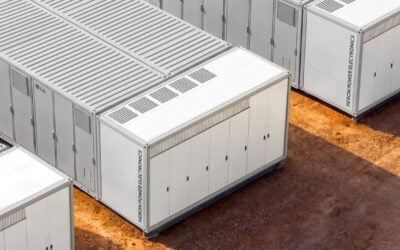
The gigafactory is on track to start production in 2017. Source: Tesla.
EV manufacturer and battery specialist Tesla Motors has reported strong results with a return to profit in Q3 this year.
The firm has consistently reported losses for some time and has been under severe scrutiny from investors over the planned acquisition of the largest residential solar installer in the US, SolarCity, which resulted in four lawsuit filings during September. The firm reported a loss of US$293 million back in Q2 this year, however, it has now posted net income of US$22 million for Q3 and positive free cash flow of US$176 million, with expectations of this positive performance to continue into Q4.
The firm also saw record vehicle production of 25,185, up 37% from Q2 and up 92% from Q3 last year.
The latest results reconfirmed that the development of the Gigafactory in Nevada and the Model 3 car are on track for vehicle production to start in the second half of 2017, with cell production to start later this year. The cells will be used initially in Tesla’s energy storage products and later in its EVs. The goal remains to produce half a million vehicles in 2018.
Try Premium for just $1
- Full premium access for the first month at only $1
- Converts to an annual rate after 30 days unless cancelled
- Cancel anytime during the trial period
Premium Benefits
- Expert industry analysis and interviews
- Digital access to PV Tech Power journal
- Exclusive event discounts
Or get the full Premium subscription right away
Or continue reading this article for free
Revenue was US$2.3 billion, up 145% from Q3 2015 and total Q3 gross margin was 27.7%, compared to 21.6% in Q2. Cash flow was US$424 million due to increased sales.
Tesla stated in its results: “Our energy storage products are gaining increased market acceptance, firmly establishing Tesla as a leader in energy storage solutions.”
It also touted a new product announcement for tomorrow (28 October) in collaboration with SolarCity.
In the earnings call, Elon Musk, chairman and chief executive of Tesla and largest shareholder in both SolarCity and Tesla, explained the importance of high efficiency cells in the forthcoming solar roof product and praised the achievements on batteries through a partnership with Panasonic.
Musk also cited some of his expectations around the proposed merger with SolarCity – saying: “We expect SolarCity to be somewhere between neutral and a cash contributor in the fourth quarter. […] It’s not to say that there’s some darkness ahead, they look really quite good right now.
“Acquiring SolarCity would leverage Tesla’s existing investments in the Gigafactory and the next-generation Powerwall and Powerpack to drive revenue growth. In addition to the revenue growth associated with making solar more compelling, the combined company is expected to achieve over US$150 million of direct cost synergies in the first full year post-close.”
Earnings call transcript provided by Seeking Alpha.