As energy system modernisation and decarbonisation progresses, energy storage could represent between 10% and 25% of India’s total installed power capacity by 2050, while other countries in South Asia including Bangladesh, Nepal and Bhutan also have “significant opportunities” for energy storage.
Battery storage could play the same role on the grid as a proposed 60MW natural gas and fuel oil peaker plant in Massachusetts and not only result in lower emissions but also in cost savings.
Energy storage activity grew during January to June this year for Wärtsilä, accounting for almost two-thirds of new-build order intake, the company’s VP for Energy Storage and Optimisation has said.
An agreement has been reached between the developer of a large-scale pumped hydro energy storage project in Ontario, Canada, and the Department of National Defence that could see the project built on federal land.
Recognising the multiple benefits and value streams that energy storage systems can bring, the Connecticut Public Utilities Regulatory Authority (PURA) has established a programme designed to spur 580MW of customer-sited storage deployment by 2030.
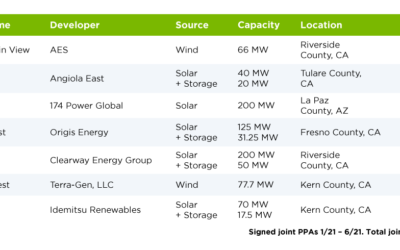
Community Choice Aggregators (CCA) Central Coast Community Energy (CCCE) and Silicon Valley Clean Energy (SVCE) have signed contracts for 778MW of renewable energy generation and 118.75MW of energy storage in California.
The city council of Melbourne, Australia, has committed AU$300,000 from its 2021 budget to fund a pilot scheme which could lead to the rollout of 5MW of community battery storage systems by 2024.
Tesla has reported more than 200% year-on-year increases in both solar and energy storage deployments for the second quarter of this year, during which time the company also produced and delivered more than 200,000 vehicles.
New HOrizons Ahead (NHOA), the e-mobility and energy storage company formerly known as Engie EPS, has set itself targets to install 1.7GWh of energy storage by 2025 as part of a new strategic ‘Masterplan’.
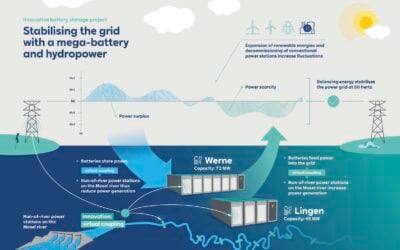
Updated 27 July 2021: An RWE spokesperson told Energy-Storage.news that the combined capacity of the BESS installations will be 128MWh across the two sites. It was also confirmed that the project will be commercially-oriented, rather than a demonstration of the technology or potential business models.