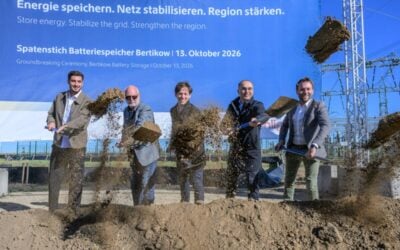
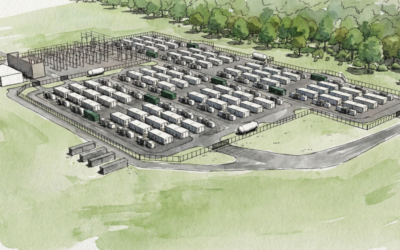
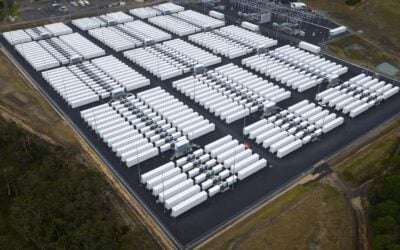
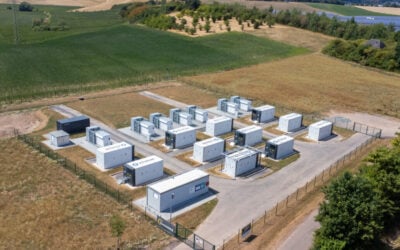
A trio of large-scale 4-hour BESS projects in Germany have progressed towards construction, from Enertrag and Enlight, Vattenfall and Fluence, and Giga Storage.
Europe is no longer betting on second-life repurposing of EV batteries for stationary BESS applications, and that is not a bad thing, argues David Oudsandji, CEO of Voltfang.
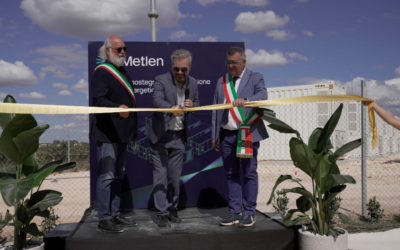
In this news roundup, Metlen inaugurates a 75MWh BESS in Italy, PNE and Enercon develop a wind and storage project in Germany, and Mirova invests €65 million in Nordic BESS from Ingrid Capacity.
We recently caught up with Georg Gallmetzer, managing director of German BESS platform Eco Stor, about the firm’s role in formulating flexible connection agreements (FCAs) and how this was intimately tied to the debate on grid fees.
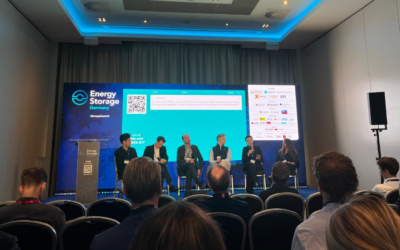
A roundup of some of our key takeaways from the Energy Storage Summit Germany this week, including around FCAs, inertia, the capacity market (CM), EU restrictions on China, and the future of one very notable system integrator.
LFP is the de facto choice for the German BESS market today with sodium-ion still far from bankable, but that doesn’t mean choosing a supplier is necessarily straightforward.