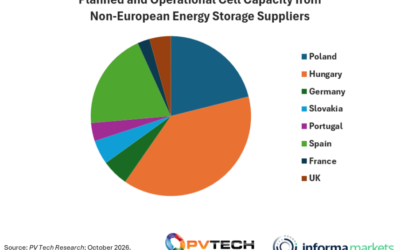
As demand for battery storage soars, the European Union (EU) has tried to grow its local battery supply chain with mixed success so far, writes PV ESS analyst Charlotte Gisbourne.
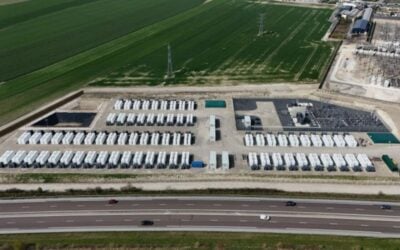
BESS investments in the French market are moving to longer durations with saturation expected to hit the secondary reserve market, currently the main way operational projects make their money.
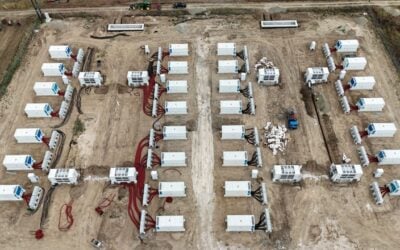
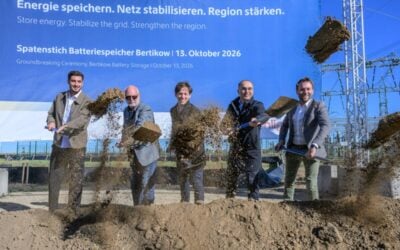
A trio of large-scale 4-hour BESS projects in Germany have progressed towards construction, from Enertrag and Enlight, Vattenfall and Fluence, and Giga Storage.
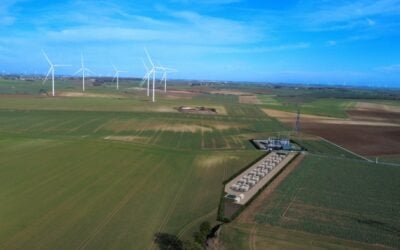
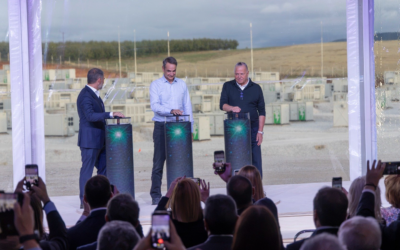
Metals and energy group Metlen and conglomerate Karatzis Group have inaugurated the largest BESS in Greece, in a ceremony attended by the country’s Prime Minister.
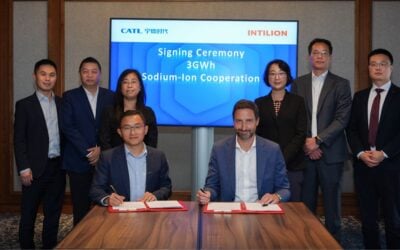
Intilion has just tied up with CATL for sodium-ion BESS deployments in Europe, following Alfen’s similar move in July, while Merus Power tells us it is in the process of integrating with the OEM’s new product.
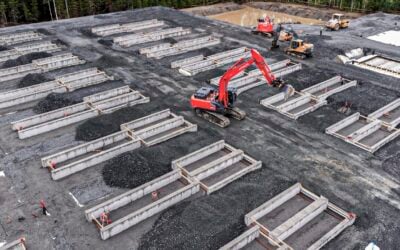
Finland is the Nordic region’s most-talked-about market for the moment, with project deals and other battery storage development activity from local and international players.
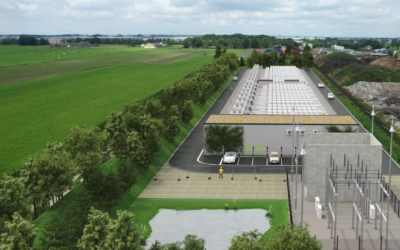
BESS owner-operator Return has put its 100MW/200MWh Antares BESS in the Netherlands into commercial operation, the largest to have reached that stage in the country as far as we know.
BESS owner-operator BW ESS has launched construction on its second large-scale project in Italy in the space of a month, while developers Galileo and Aura Power have progressed portfolios in the country.