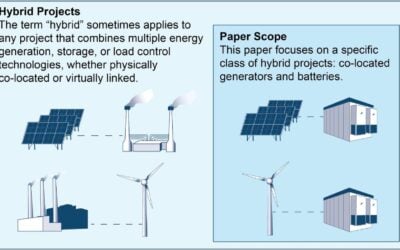
With a quarter of all solar project proposals in the US including batteries, transmission grid operators across the country are taking a variety of steps to evaluate the role that can be played in wholesale electricity markets by hybrid power plants – defined as generation coupled with energy storage.
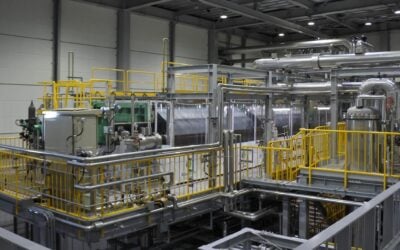
What is thought to be the world’s largest ‘single-stack’ green hydrogen electrolyser, a 10MW project in Fukushima, Japan, began operations on schedule in March, provider Asahi Kasei has said.
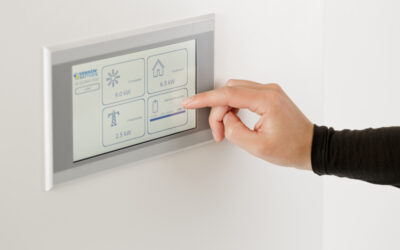
AutoGrid has struck a deal to supply its distributed energy resources management system (DERMS) platform to NRTC, a cooperative association serving more around 20 million homes in rural America.
Targeting a national economic goal in mind of making hydrogen competitive with natural gas, Australia’s government has put AU$70 million (US$44.3 million) into a “deployment funding round” for renewable hydrogen.
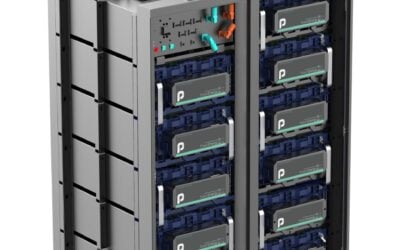
Powin Energy has launched a set of three battery storage system products using CATL’s large form factor lithium-ion cells, including a system solution capable of 4+ hour duration and backed by a 20-year warranty.
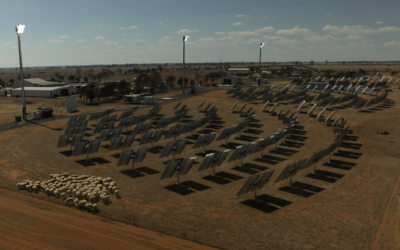
“The elimination of solar energy’s intermittency and ensuring its 24-hour availability at grid-competitive cost is the holy grail and RayGen has found it”.
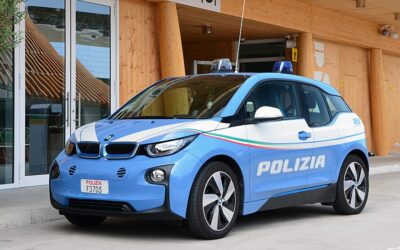
A 5MW / 20MWh energy storage system built around the batteries BMW uses in its i3 electric vehicles (EVs) will help integrate renewable energy into the electric grid in Uppsala, Sweden.
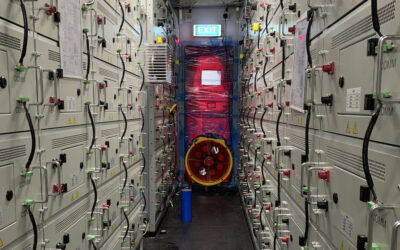
Ensuring battery systems used in conjunction with solar perform safely and optimally is essential in the continued roll-out of storage technology. Robert Puto and Gerhard Klein of TÜV SÜD examine independent technical assessments that must be undertaken before a storage system is built.