Another utility-scale energy storage facility has got the green light for construction in South Australia, claimed to be the first in the country to be “backed by mostly private investment from the energy industry”.
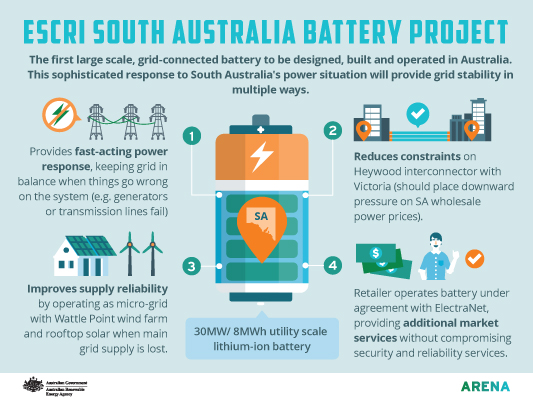
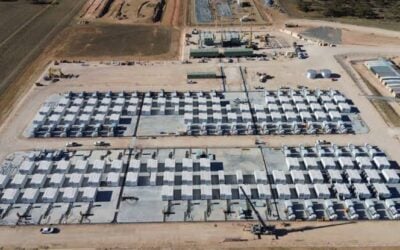
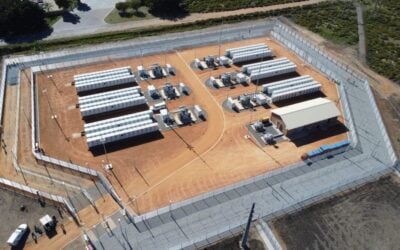
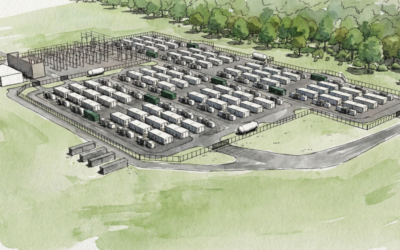
The 30MW / 8MWh system is being developed to the west of Adelaide, on the Yorke Peninsula at Dalyrmple, an existing substation site. Of the project’s estimated AUS$30 million total cost, some AUS$12 million will be provided by the Australian Renewable Energy Agency (ARENA), which is in turn funded by central government. In a statement, ARENA expressed a belief that within a few years, cost reductions will render financial support of this kind unnecessary and said that the project could help “limit skyrocketing power bills”.
ARENA partnered on the project with ElectraNet, a transmission system operator which will design, build and own the system once finished, while its commercial operation will be leased to an as-yet-unnamed “major energy retailer”, a media release from Australian minister for environment and energy, Josh Frydenberg, said.
Try Premium for just $1
- Full premium access for the first month at only $1
- Converts to an annual rate after 30 days unless cancelled
- Cancel anytime during the trial period
Premium Benefits
- Expert industry analysis and interviews
- Digital access to PV Tech Power journal
- Exclusive event discounts
Or get the full Premium subscription right away
Or continue reading this article for free
‘No one silver bullet’
The project’s development is the second phase of ARENA’s Energy Storage for Commercial Renewable Integration (ESCRI), a study in examining the potential of the technology to provide frequency control and black start to the grid and generators, perform peak load management for the transmission network and allow for increased penetration of renewables.
The first phase entailed the publication of a hefty feasibility study on integration of renewables in South Australia with energy storage. The region meets about 40% of its energy demand with wind power at present.
The second phase at Dalrymple substation follows on from that study’s finding that batteries could be a good short-term solution for the area’s energy security and resilience concerns and that the site itself offered good commercial opportunities for the battery’s owners and operators.
“It’s not designed to solve South Australia’s energy problem in and of itself because there is no one silver bullet, but it’s designed to demonstrate what batteries can do and help others follow in those footsteps,” ARENA senior consultant for transactions, Dan Sturrock said.
“In five years, there might be 500MW of batteries operating in the state. That could solve significant problems and potentially remove the need for a new interconnector that would cost a billion dollars. This is a stepping stone.”
Multiple application system
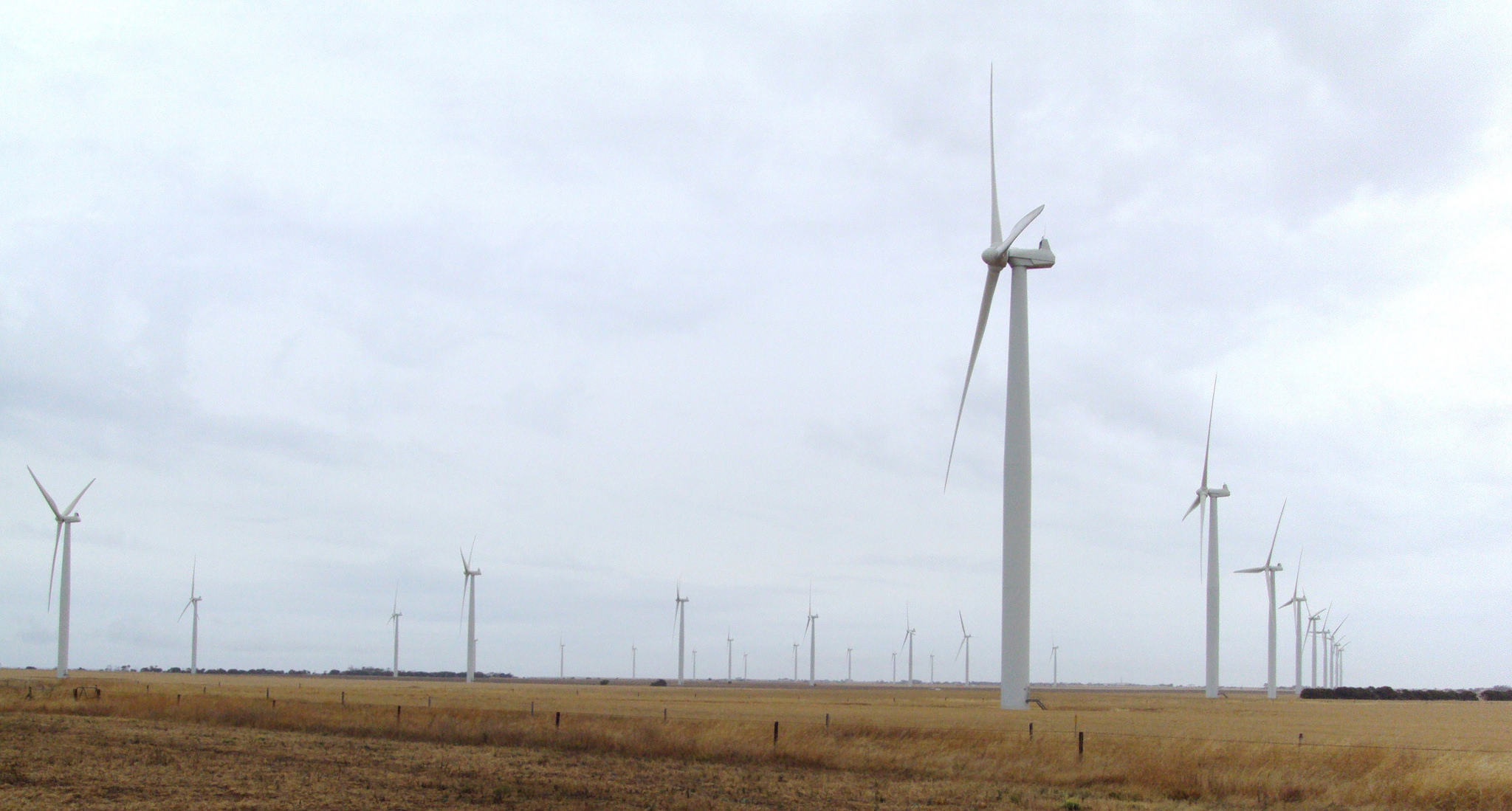
The Dalrymple system will provide a number of services to the network as well as offering commercial opportunities to the energy retailer that takes on commercial operation. It will provide fast frequency response to balance the grid, which in its chosen location is especially important due to the local Heywood Interconnector from the state of Victoria being unable to handle heavy duty electricity imports. It will also act as a standalone microgrid in the event of power cuts nearby, drawing power from local wind and rooftop solar generators.
A commercial operator of the system would also be able to perform arbitrage, charging the battery during off-peak times either by charging from renewables or simply purchasing lower cost energy and selling it when the economics are advantageous. The operator would also be able to sell ancillary services into wholesale markets run by the Australian Electricity Market Operator (AEMO).
Anti-battery argument debunked
Since the announcement of Tesla’s 129MWh battery project with French developer Neoen in South Australia, comments sections below the line on numerous Australian newspaper sites have been filled with assertions from members of the public that appear to have misunderstood the role and purpose of such grid-scale devices.
Since energy storage systems might only have relatively short durations of storage available, perhaps one or two hours in some cases, commenters have taken this to mean that the resources would only be able to support the supply of electricity for very short periods of time.
“It’s a strawman argument, really,” energy storage expert Dylan McConnell, based at the University of Melbourne’s Energy Transition Hub, told ARENA.
“The point is they can respond incredibly fast when needed – the amount of energy is less important. They are not meant to provide electricity all the time. They provide fast response power when it is needed most.”