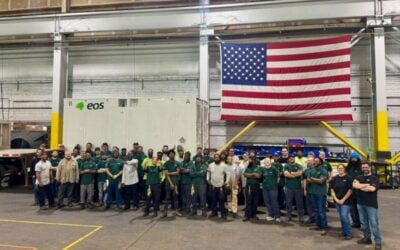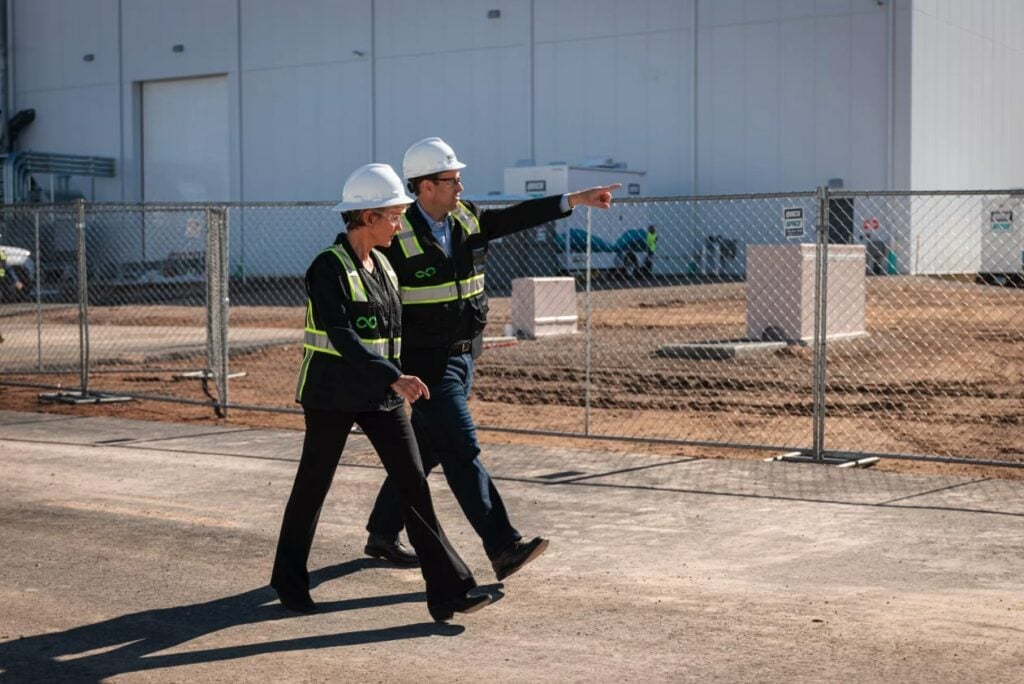
Redwood Materials will get a US$2 billion loan from the Department of Energy’s (DOE) Loan Programs Office (LPO) for its closed-loop lithium-ion anode and cathode material production plant in Nevada, US.
The commercial loan arm of the DOE last week (9 February) confirmed the commitment to Redwood Materials for the construction and expansion of its battery materials campus in McCarran, northern Nevada.
Once fully operational the facility will produce anode copper foil and cathode active materials by recycling end-of-life battery and production scrap and remanufacturing that feedstock into critical materials. The facility began producing anode copper foil last month and Redwood expects to begin cathode qualification later in 2023.
The cathode and anode together comprise nearly 80% of the current materials cost for a lithium-ion battery. The Nevada site will use both new and recycled feedstocks from processed lithium-ion batteries containing the critical materials needed like lithium, nickel and cobalt.
Try Premium for just $1
- Full premium access for the first month at only $1
- Converts to an annual rate after 30 days unless cancelled
- Cancel anytime during the trial period
Premium Benefits
- Expert industry analysis and interviews
- Digital access to PV Tech Power journal
- Exclusive event discounts
Or get the full Premium subscription right away
Or continue reading this article for free
Redwood will use the funding to support the phased construction and ramp-up in activity towards ultimately reaching an annual production of 100GWh of materials and 1,600 full-time permanent employees. The US has around 800GWh of planned EV battery production capacity by 2031 under development.
The project will help battery and electric vehicle OEMs meet critical mineral and battery component requirements for consumers to qualify for EV tax credits as part of the Inflation Reduction Act, which came into effect on January 1.
The LPO, headed up by industry veteran Jigar Shah since March 2021, currently has around US$120 billion in loan requests across various energy segments. ‘Advanced Vehicles & Components’, which includes EVs and lithium-ion battery material production, is currently the single largest segment.
It is the latest in a series of loan commitments for the US domestic lithium-ion battery supply chain the LPO has made, including to companies Syrah Vidalia, Ultium Cells, and Rhyolite Ridge. While clearly a positive step for building a battery ecosystem in the US, some think the focus is too skewed towards the industry incumbent battery chemistry.
For example, last week saw US Senator Joe Manchin and fellow bipartisan colleagues urge the DOE to support more non-lithium supply chain investments. Energy-Storage.news’ coverage of the Senators’ open letter include an extract from a recent interview with Shah, in which he predicted that non-lithium battery companies would accelerate their commercialisation and subsequent loan activity with the LPO this year.
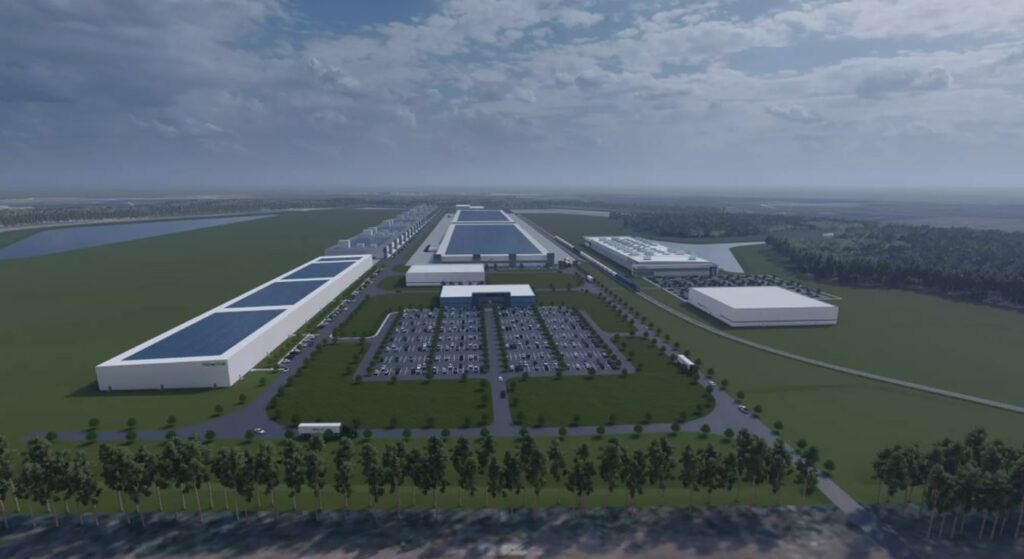
Redwood Materials recently chose a site in Charleston, South Carolina, for its second 100GWh lithium-ion anode and cathode materials plant.
Energy-Storage.news’ publisher Solar Media will host the 5th Energy Storage Summit USA, 28-29 March 2023 in Austin, Texas. Featuring a packed programme of panels, presentations and fireside chats from industry leaders focusing on accelerating the market for energy storage across the country. For more information, go to the website.