LG Energy Solution will keep global battery cell production at around 300GWh in 2026, while increasing its proportion of supply for energy storage system (ESS) applications.
Energy-Storage.news Premium hears from Tom Cornell, CEO and President of Prevalon Energy, about the company’s strategies for navigating upcoming changes in the energy storage industry over the next year.
“We see energy storage as an opportunity for (data centres) to reduce their impact on the grid”, said Patrick Hughes, Senior VP of Operations and Strategy at NEMA.
Lithium-ion companies have come out as the top-rated suppliers on a new long-duration energy storage (LDES) leaderboard, while CO2 Battery company Energy Dome is the highest non-lithium company.
Leading BESS owner-operators across Europe discuss the key trends around the financing and deployment of grid-scale projects, with the segment now the driver of continent-wide deployments according to trade body SolarPower Europe.
ERCOT’s battery storage fleet can play a crucial role during extreme winter conditions, but its own technical performance needs to be carefully managed.
Foreign entity of concern (FEOC) restrictions and the scheduled Section 301 tariff increase to 25% on Chinese-origin battery energy storage systems (BESS) went into effect on 1 January 2026.
Saudi Arabia and the UAE have emerged as two of the world’s most prominent energy storage markets, with mega-scale projects announced and moved forward at a staggering pace over the last two years. But what does the next phase look like?
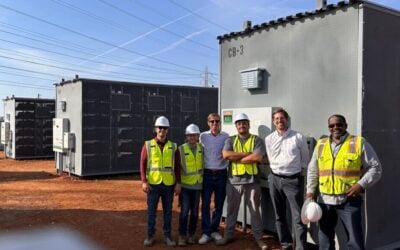
US-based iron-sodium battery manufacturer Inlyte Energy has successfully completed a factory acceptance test of its first field-ready battery at its facility near Derby, UK, witnessed by representatives from US utility Southern Company.
A staggering total of 18GW/65GWh of large-scale BESS came online in China last month, accounting for a quarter of the total capacity deployed across the globe in 2025.