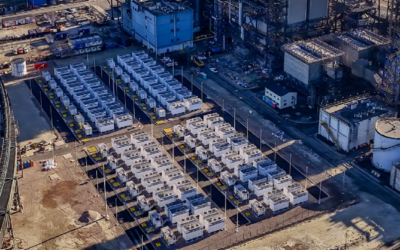
Utility and power generation firm Engie has started construction on a 100MW/400MWh BESS project in Belgium, for which it has enlisted system integrator NHOA Energy to provide the BESS.
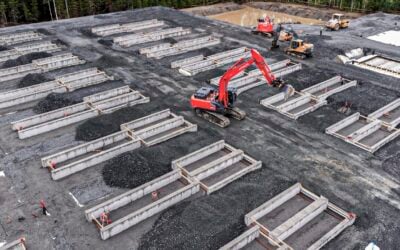
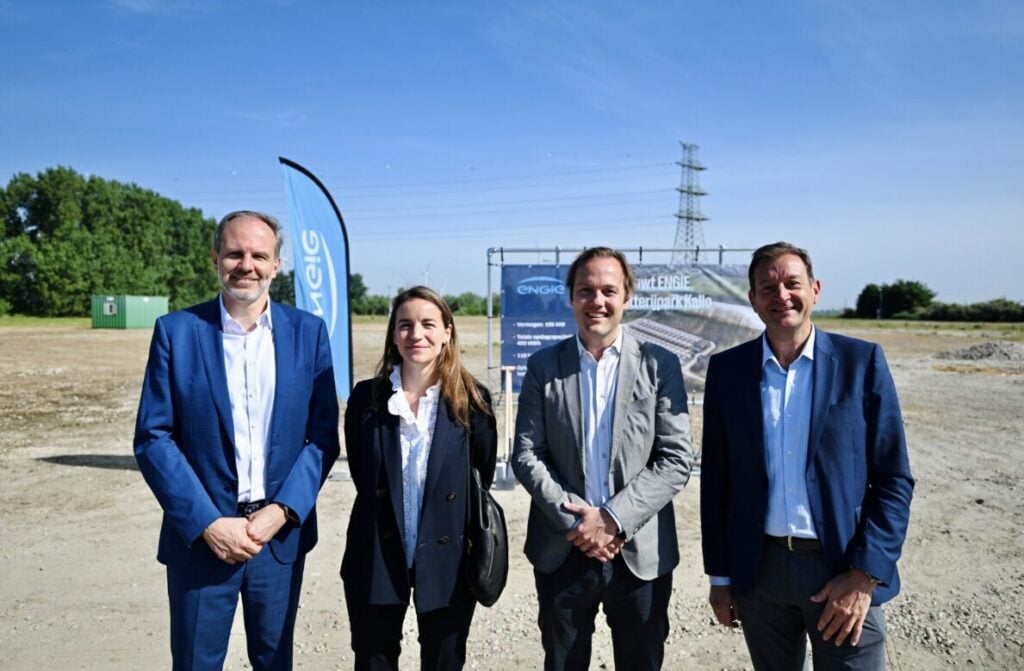
NHOA Energy announced the groundbreaking on the project yesterday (14 May), which will be located in Kallo, Beveren, northeast Belgium. Engie has chosen NOAH to supply the battery energy storage system (BESS) technology along with a long-term service agreement.
The groundbreaking ceremony was attended the Mathieu Bihet, Federal Minister of Energy of Belgium. The project is located at the site of the former Kallo gas and oil plant.
The Kallo BESS was one of a dozen projects selected in last year’s Capacity Remuneration Mechanism (CRM), which awarded 350MW to BESS technology across both the Y-4 auction for 2028-29 delivery and the Y-1 auction for delivery in 2025-26.
Try Premium for just $1
- Full premium access for the first month at only $1
- Converts to an annual rate after 30 days unless cancelled
- Cancel anytime during the trial period
Premium Benefits
- Expert industry analysis and interviews
- Digital access to PV Tech Power journal
- Exclusive event discounts
Or get the full Premium subscription right away
Or continue reading this article for free
The CRM, run by grid operator Elia, was set up to address anticipated shortfalls in installed power capacity as Belgium starts to phase out its nuclear fleet.
It is the second major storage project in Belgium that Engie has launched construction on, following the 200MW/800MWh Vilvoorde project which broke ground in mid-2024, with BESS technology provided by Sungrow. Engie revealed the Vilvoorde, Kallo and Drogenbos projects in 2023, totalling 380MW.
Note that NHOA Energy used to be a subsidiary of Engie, called Engie EPS, but was sold to the Taiwan Cement Corporation (TCC) in 2021. TCC bought out and de-listed the company from the Euronext Paris in November last year.
NHOA is active globally, deploying BESS projects in Taiwan, Spain, Italy, Scotland and Peru over the past two years. It also has an EV charging solution arm but the BESS integration business has become a larger and larger majority of the business during this period.