South Korean battery manufacturer Samsung SDI is exhibiting a range of high-capacity, high-voltage residential storage modules at this year’s Intersolar Europe trade show in Munich.
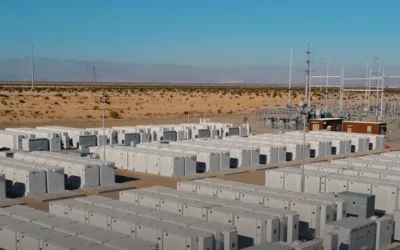
The product line includes new residential storage products that Samsung claims has the world’s largest market share, as well as the world’s largest utility-scale 240MWh system and Uninterruptible Power System (UPS) products.
Samsung SDI plans to start mass producing residential ESS modules in the second half of this year. It has conducted tests in cooperation with customer companies from 2016 and expects to achieve results in 2018.
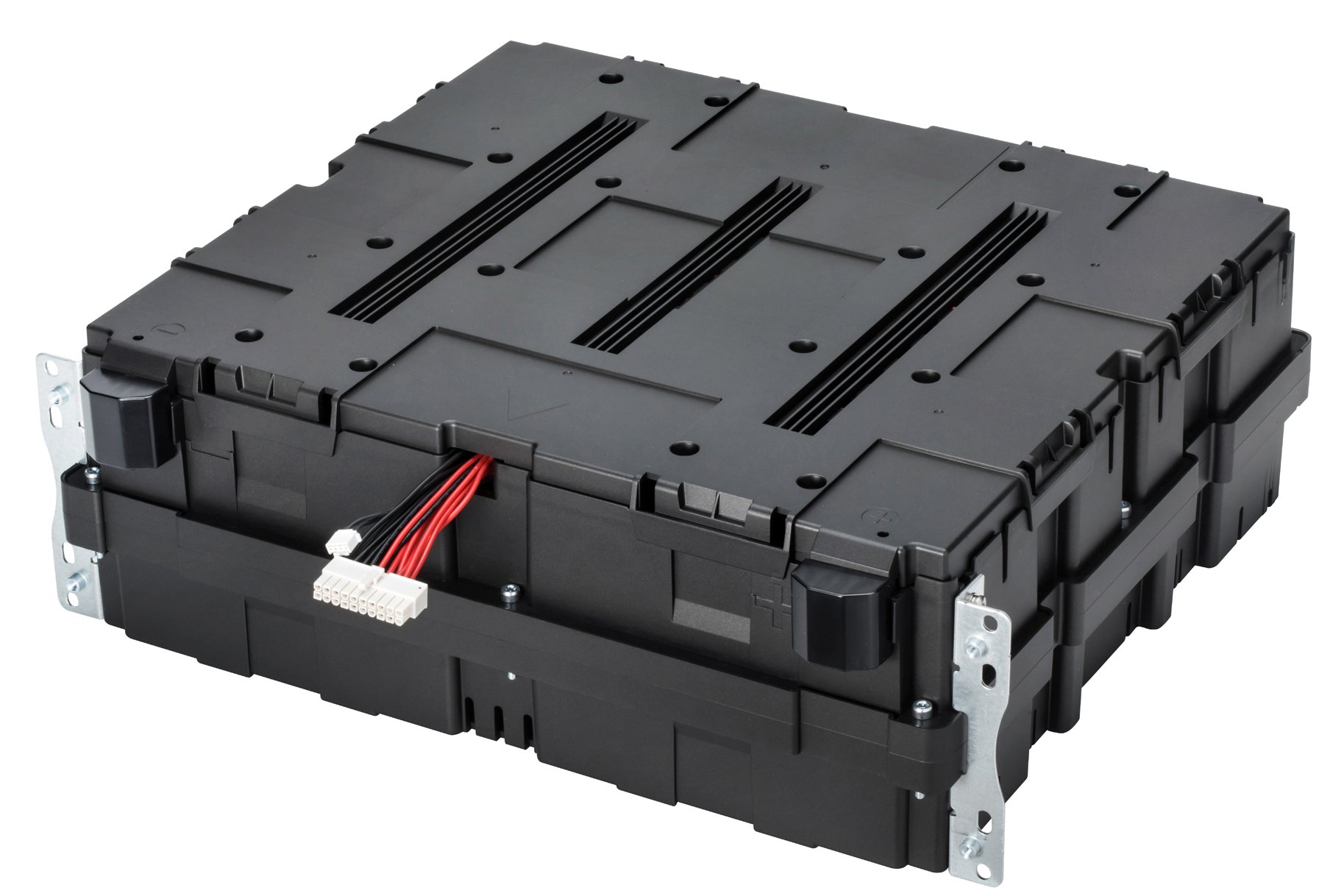
The high-capacity, high-voltage modules which are also being unveiled at the show can scale up to 600V from existing 50V and are larger than standard modules; scalable to 39 basic modules with the capacity of 4.8Wh. This means that the storage capacity can increase up to 39x and that a maximum of 188kWh can be stored. Therefore, energy storage systems using these modules can store close to the amount of electricity consumed by 20 homes for one day, considering the daily average electricity consumption for European homes is around 10kWh.
Try Premium for just $1
- Full premium access for the first month at only $1
- Converts to an annual rate after 30 days unless cancelled
- Cancel anytime during the trial period
Premium Benefits
- Expert industry analysis and interviews
- Digital access to PV Tech Power journal
- Exclusive event discounts
Or get the full Premium subscription right away
Or continue reading this article for free
Samsung SDI claims that one of the main advantages of its residential storage modules is high scalability, meaning only minor design changes are needed to meet customer demands, saving on design costs and time, according to the company.
“Customers show much interest in the differentiated scalability of Samsung SDI’s residential ESS modules,” said Sewoong Park, vice president for the Samsung SDI ESS team. “We will keep launching ESS products with market-leading technology.”