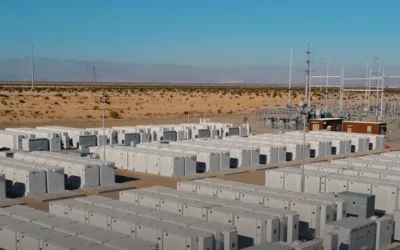
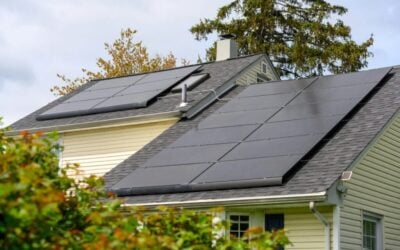
Massachusetts DOER’s comprehensive report into energy storage puts battery, flywheel and thermal storage high on the state’s energy agenda. Daderot. Creative Commons
The Massachusetts Department of Energy Resources (DOER) has recommended 600MW of advanced energy storage technologies to be installed on the state grid by 2025, providing over $800 million in cost savings to ratepayers.
DOER said the cost savings could be realised over a “10-year time span’, and its proposed measures on energy storage would also see a reduction of around 350,000 tonnes in green-house gas emissions in the period, which it said was equivalent to taking 73,000 cars off the road.
DOER said it will implement a grant programme for energy storage pilot projects later this year, funded from the remainder of the US$10 million budget it set aside in May for energy storage research and development, which has also resulted in the state proposing targets for utility-level energy storage.
In a wide-ranging report, called State of Charge, DOER found over 40% of residents’ electricity spending, equivalent to US$3 billion per year, went on the top 10% most expensive hours for electricity supply.
Try Premium for just $1
- Full premium access for the first month at only $1
- Converts to an annual rate after 30 days unless cancelled
- Cancel anytime during the trial period
Premium Benefits
- Expert industry analysis and interviews
- Digital access to PV Tech Power journal
- Exclusive event discounts
Or get the full Premium subscription right away
Or continue reading this article for free
DOER said advanced storage technologies including batteries, flywheels, and thermal and compressed air solutions would also reduce peak demand on energy infrastructure, and provide balance and back-up power in the event of outages or intermittent supply from renewable energy sources.
The report recommends energy storage is made integral to energy standards, including its comprehensive definition within state legislation, and proposes better regional coordination of storage resources and programmes to pair storage with long-term clean energy procurements.
It also highlights incentives for customer-sited energy storage and power generation, energy storage initiatives for critical facilities and support for local energy storage companies.
“As demand for renewable energy sources increases, this administration is committed to ensuring the state maintains reliability and energy affordability, as demonstrated by the recent bi-partisan comprehensive energy legislation,” said Charlie Baker, governor of Massachusetts.
Lawmakers in Massachusetts passed a bill last month that could see targets set for the procurement of “viable and cost-effective” energy storage systems at utility level by 2020. If passed, Massachusetts would be only the third state in the US, after California and Oregon, to authorise such targets for energy storage.
Matthew Roberts, executive director of the Energy Storage Association, commented: “This report sets a pathway forward for developing competitive market mechanisms that will accelerate the deployment of storage systems, and allow Massachusetts to become a driving force in grid modernization and advanced energy.”
The state’s clean energy departments will work with the Clean Energy States Alliance (CESA), among others, to implement the DOER recommendations. Todd Olinsky-Paul of the CESA said: “Massachusetts has dramatically raised the clean energy bar; it is now up to other states to follow the Baker administration’s example.”