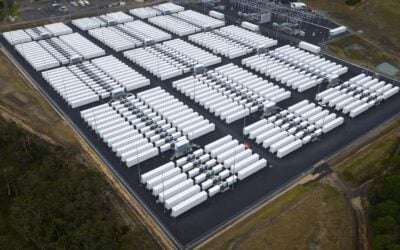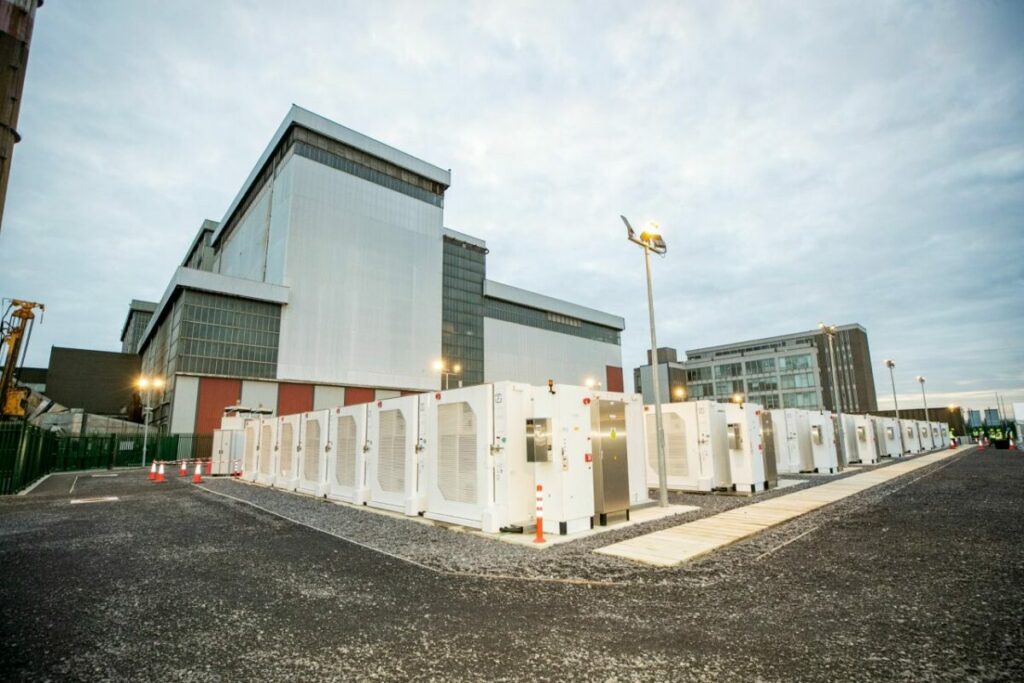
ESB Networks has announced that Ireland’s electricity grid now has 1GW of energy storage available from different energy storage assets.
This figure includes 731.5MW of battery energy storage system (BESS) projects and 292MW from Turlough Hill pumped storage power station – which is celebrating its 50th anniversary this year.
Large-scale battery energy storage projects and Turlough Hill pumped hydro energy storage (PHES) between them help provide flexibility and support more renewables in Ireland’s electricity system.
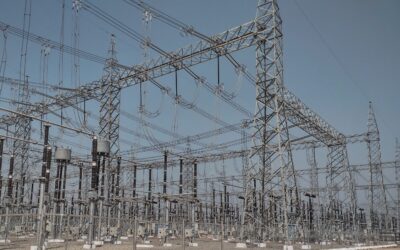
Energy storage facilities are connected across the grid to both the transmission and distribution systems, which are managed by EirGrid and ESB Networks. ESB Networks, as a separately operated business unit of national state-owned utility Electricity Supply Board of Ireland (ESB), maintains and constructs the transmission network, while EirGrid is the transmission system operator (TSO).
Try Premium for just $1
- Full premium access for the first month at only $1
- Converts to an annual rate after 30 days unless cancelled
- Cancel anytime during the trial period
Premium Benefits
- Expert industry analysis and interviews
- Digital access to PV Tech Power journal
- Exclusive event discounts
Or get the full Premium subscription right away
Or continue reading this article for free
As it stands, peak demand on Ireland’s electricity system is approximately 5.5 GW.
According to a report by the International Energy Agency (IEA), Ireland’s electricity demand has increased by 2%, making it one of the few countries in Europe to record an increase in 2023. Across the year, coal generation fell 17% YoY, alongside a modest 1.2% decline in gas-fired output.
Ireland is forecast to have the highest growth rate in Europe for electricity demand and consumption, with an average annual increase of almost 7%.
Interestingly, data centres are expected to contribute hugely to this, with the nation braced to see a rapid expansion in this sector. Irish data centres are estimated to have consumed around 5.3TWh of electricity in 2022, up by 31% from 2021.
This is around 17% of the country’s electricity demand and almost equal to the consumption in all urban dwellings, the IEA said.
Long duration energy storage (LDES) is the next logical step in adopting further energy storage assets, as the technology can store more and release more energy to the electricity network.
An example of one of the inaugural projects introducing long duration to Ireland is a 4-hour battery energy storage system (BESS) delivered by Fluence and Norwegian state-owned firm Statkraft in partnership.
The 20MW BESS, which is expected to be a “market first”, will be deployed in County Offaly, in the Republic of Ireland, at Statkraft’s 55.8MW Cushaling wind farm, which is already under construction. Fluence and Statkraft expect to finish construction by the end of 2024.
To read the full version of this story, visit Current±.
Get more visibility on the energy storage market for the Republic of Ireland with Solar Media Market Research’s dedicated Republic of Ireland Battery Storage Project Database Report.