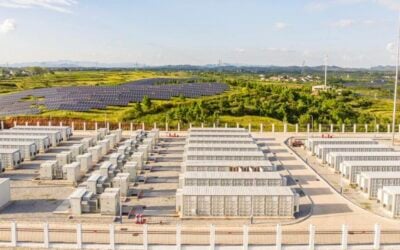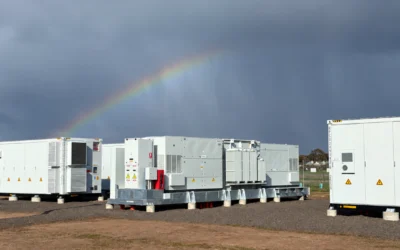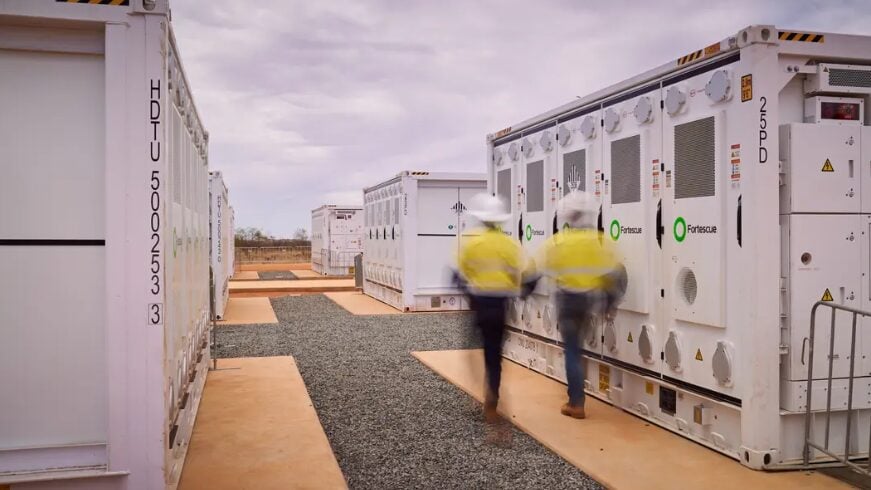
Fortescue has completed delivery of its first large-scale battery energy storage system (BESS) to the North Star Junction site in Western Australia’s Pilbara region, marking a milestone in the mining company’s decarbonisation strategy for its iron ore operations.
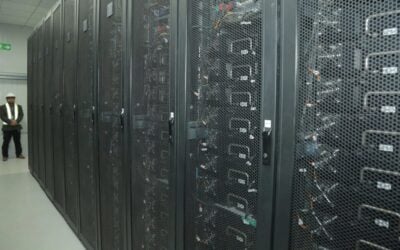
The 50MW/250MWh system utilises BYD’s Blade Battery technology and features 48 energy storage containers designed to provide five hours of continuous power output.
The installation marks the initial deployment in Fortescue’s planned 4-5GWh rollout of large-scale energy storage systems, which are required to eliminate fossil fuel generation across its mining operations.
BYD’s Blade Battery technology deployed at North Star Junction forms part of the Chinese manufacturer’s expanding portfolio of utility-scale storage solutions.
Try Premium for just $1
- Full premium access for the first month at only $1
- Converts to an annual rate after 30 days unless cancelled
- Cancel anytime during the trial period
Premium Benefits
- Expert industry analysis and interviews
- Digital access to PV Tech Power journal
- Exclusive event discounts
Or get the full Premium subscription right away
Or continue reading this article for free
The company recently launched its 14.5MWh BESS system, demonstrating continued advancements in energy density and system integration capabilities that support large-scale industrial applications, such as Fortescue’s mining operations.
The North Star Junction BESS will store renewable energy generated during daylight hours and dispatch green electricity to Fortescue’s Pilbara Energy Connect (PEC) network during evening and overnight periods.
This addresses the intermittency challenges associated with solar generation while providing grid stability services for the mining company’s isolated power network in Western Australia.
Fortescue CEO Dino Otranto described the installation as fundamentally changing how the company powers its mining operations.
The North Star Junction deployment is part of Fortescue’s broader Real Zero strategy, which aims to eliminate Scope 1 and 2 terrestrial emissions by 2030. The company estimates it requires an additional 2-3GW of renewable energy capacity and associated storage systems to achieve complete decarbonisation of its Pilbara operations.
The system connects to the existing 100MW North Star Junction solar PV power plant, which Fortescue brought online as part of its renewable energy expansion strategy, supporting both mining operations and its ambitions for green hydrogen production.
Fortescue confirmed that the battery storage system incorporates liquid cooling technology specifically designed to handle the extreme heat conditions characteristic of the Pilbara region, where temperatures regularly exceed 40°C.
This thermal management capability proves critical for maintaining battery performance and longevity in one of Australia’s harshest operating environments.
Fortescue has confirmed its next BESS installation will be at the Eliwana site, featuring a 120MWh system scheduled for delivery and installation in early 2026. The Eliwana battery will serve both the namesake mine and the Flying Fish operation, connected through 140km of new transmission infrastructure extending to the Solomon outpost.