Energy storage technology provider Fluence has launched its latest systems aimed at three market segments and – according to new CEO Manuel Perez Dubuc – aimed at creating an inflection point in the global transition to low carbon energy.
It’s the sixth generation of integrated battery storage systems and modular system building blocks for the Siemens-AES joint venture which officially only came into being in 2017, albeit both of its parent companies had a track record of up to 12 years in energy storage system delivery prior to that.
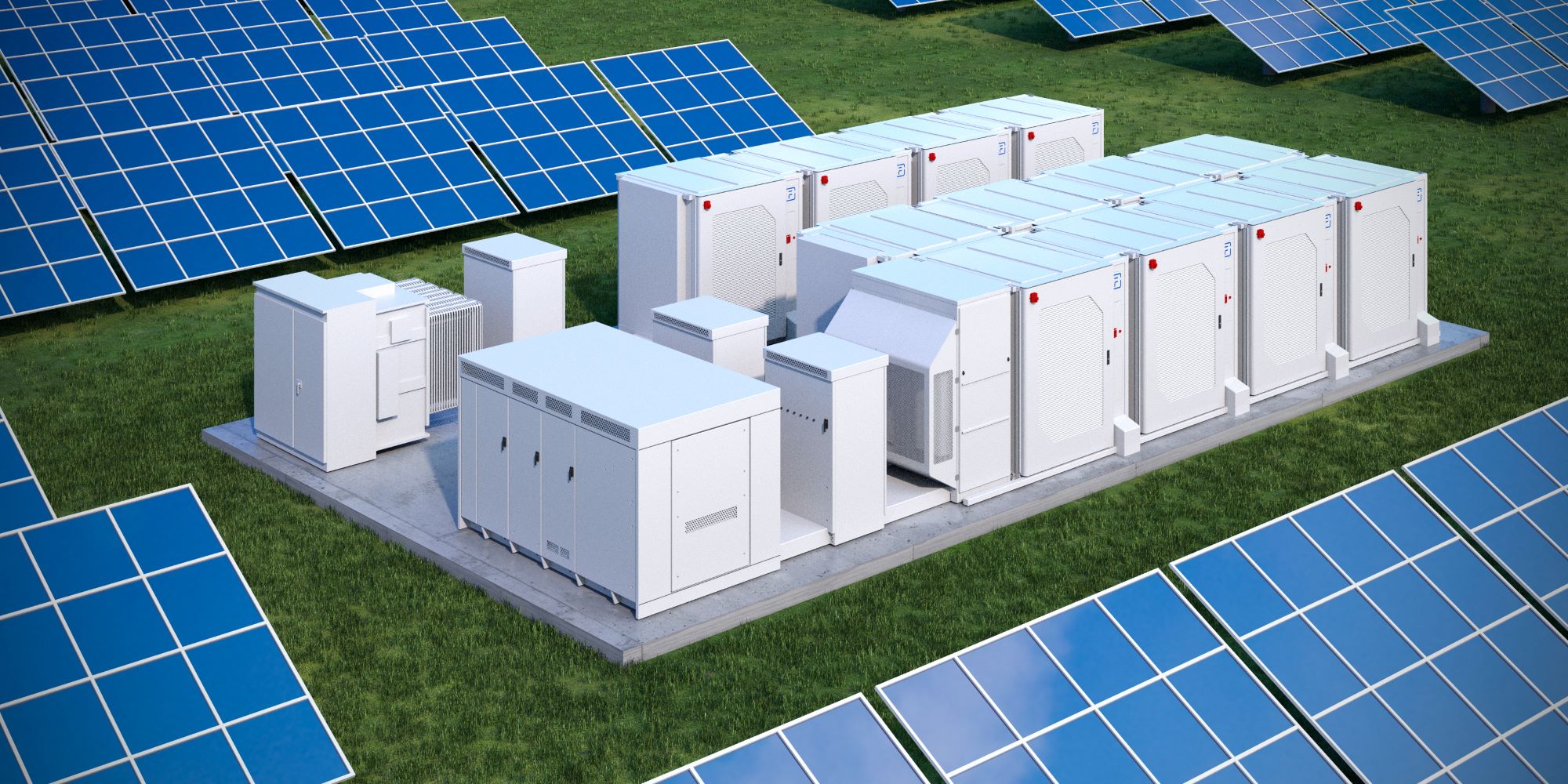
Each of the three newly launched products is aimed at a different market segment and set of applications: Gridstack is a utility-scale system designed for the front-of-meter segment and applications including transmission and distribution (T&D)-level roles, frequency regulation and peak power capacity, Sunstack is optimised for co-locating batteries with solar PV and the roles that entails and Edgestack is aimed at the commercial and industrial (C&I) segment of the market.
“What separates our carbon-intensive past from a sustainable future is market inflection,” Fluence’s Manuel Perez Dubuc – who replaced Stephen Coughlin as CEO in May – said in a press statement.
Try Premium for just $1
- Full premium access for the first month at only $1
- Converts to an annual rate after 30 days unless cancelled
- Cancel anytime during the trial period
Premium Benefits
- Expert industry analysis and interviews
- Digital access to PV Tech Power journal
- Exclusive event discounts
Or get the full Premium subscription right away
Or continue reading this article for free
“With the introduction of our next-generation design, Fluence is helping drive that inflection, making it more cost-effective, faster and safer to replace smokestacks with tech stacks that provide communities around the world with cleaner, more resilient energy systems.”
A Fluence representative told Energy-Storage.news that Gridstack is available for projects from 2MW to in excess of 500MW with storage duration of 1 hour to 6+ hours, Sunstack in a similar megawatt-scale with duration 1 to 4+ hours and the smaller Edgestack solution goes from 500kW up to 4MW and stores between 1 and 4 hours of energy. The representative said that the platforms can use different battery chemistries.
800MW / 2,300MWh of orders in already, company says
According to the company, orders have already been lined up for 800MW / 2,300MWh of the systems – equivalent to more than 11x the number of megawatt-hours and 8x the number of megawatts of energy storage deployed in the entire US in the first quarter of this year, as reported in analysis firm Wood Mackenzie’s most recent edition of its US Energy Storage Monitor.
The Fluence representative today told Energy-Storage.news that it has been taking orders for the new systems for about six months up to today’s official launch. Customers include Enel, LS Power, sPower and Siemens along with others, the company has said.
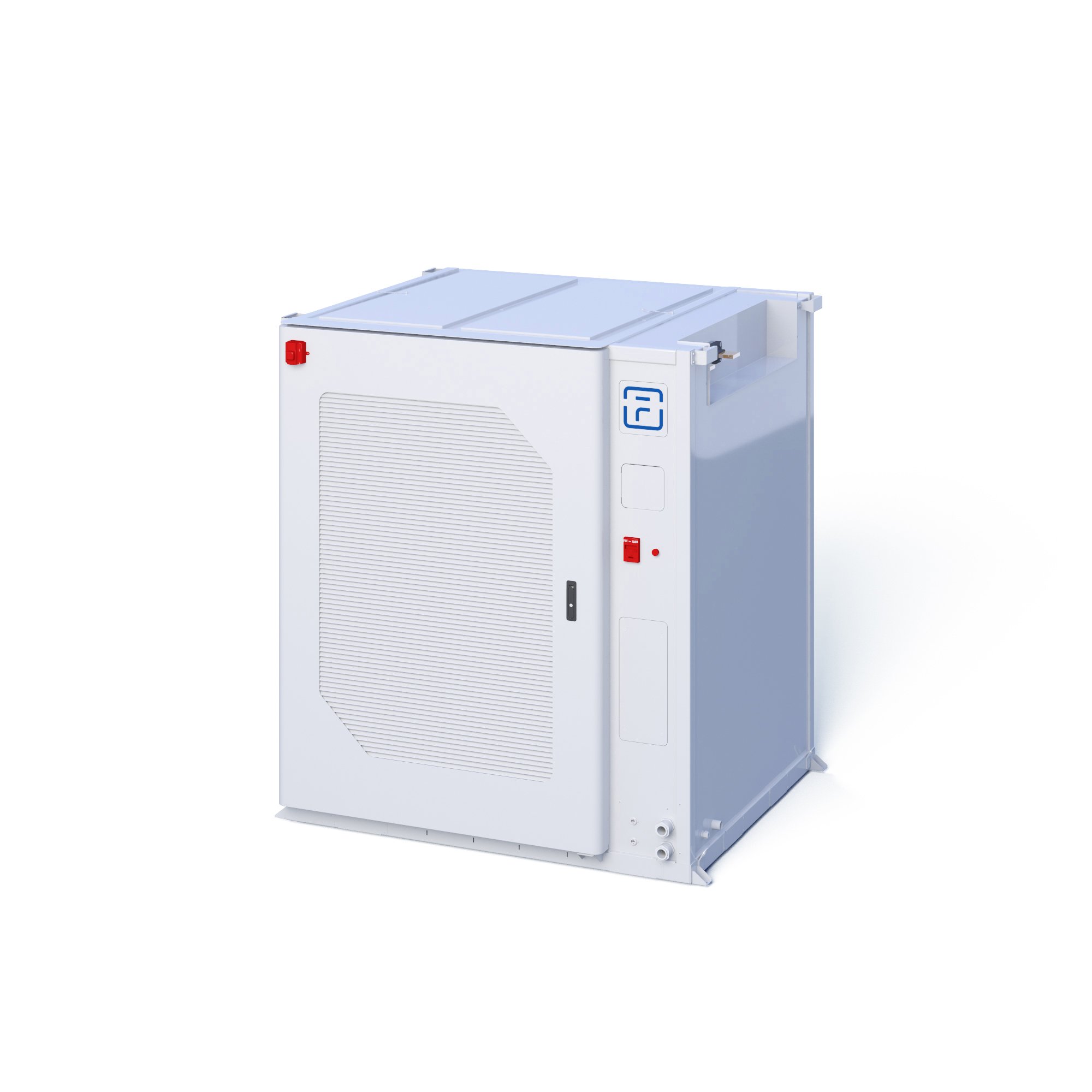
Fluence claims the new technology combines modular form, including factory-made hardware, with digital intelligence driven by data and advanced software through which it hopes to make energy storage more cost-effective and scalable. Each of the system types includes Fluence Cube (the factory-assembled hardware “building block”), Fluence IQ (the digital intelligence which drives the decision-making and optimisation of the assets) and the Fluence Operating System (which is fairly self-explanatory).
The systems meet safety standards including the UL 9540A burn test and the US National Fire Protection Association’s NFPA 855. According to Fluence, customer orders have come in for projects already in the Asia-Pacific, North America and Europe regions, while parent company Siemens is delivering commercial and grid-scale Edgestacks and Gridstacks to customers in Portugal, Germany and Finland.