Finland telecommunications firm Elisa has received €3.9 million (US$4.17 million) from the government to form a VPP using batteries which could be the largest of its kind in Europe.
The company will put the funding towards a rollout of its Distributed Energy Storage (DES) solution across its network with an expected total energy storage capacity of 150MWh.
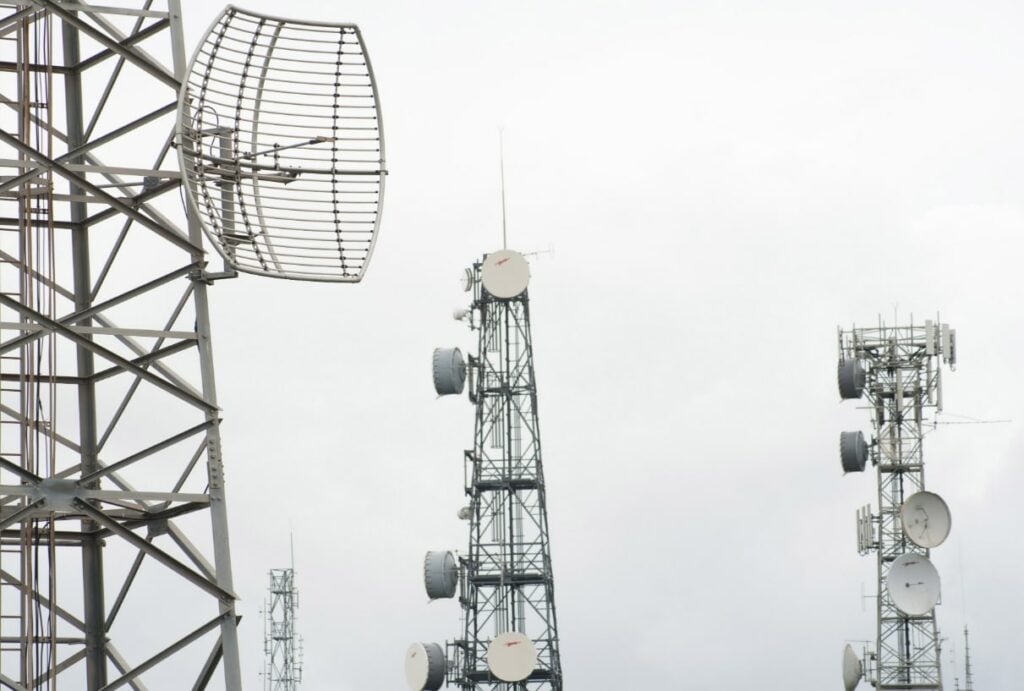
Elisa uses the DES system to effectively turn its radio access network into a distributed virtual power plant (VPP) using installed batteries. This allows it to optimise the energy procurement of its thousands of base stations and offer electricity grid-balancing services to transmission system operators (TSOs).
It said the DES solution is powered by artificial intelligence (AI) and machine learning (ML).
Try Premium for just $1
- Full premium access for the first month at only $1
- Converts to an annual rate after 30 days unless cancelled
- Cancel anytime during the trial period
Premium Benefits
- Expert industry analysis and interviews
- Digital access to PV Tech Power journal
- Exclusive event discounts
Or get the full Premium subscription right away
Or continue reading this article for free
The funding was granted by the Ministry of Economic Affairs and Employment and is part of Finland Recovery and Resilience Plan, the EU-wide post-pandemic funding package which is regularly going towards energy storage projects across the continent. Some of Finland’s portion has gone towards other energy storage technology areas like pumped hydro energy storage and battery storage co-located with wind.
“It is critical for society that we have an energy supply that is affordable, secure and sustainable, and the potential for distributed energy storage of telecom networks to contribute to this is huge,” said Jukka-Pekka Salmenkaita, Vice President of AI and Special Projects at Elisa.
“By building out storage capacity in our network and managing it in a smart way, Elisa has not only improved network resilience but also saved energy costs and contributed to the zero-carbon energy transition by facilitating storage from renewable sources. It’s good for the network, good for business and good for the planet.”
Telecommunications infrastructure networks have a big need for backup power, being made up of millions of components that must all have power simultaneously for the national network to function properly. Battery energy storage installations can provide this. Because the networks are also highly decentralised, they also offer opportunities to aggregate individual sites’ relatively small energy storage systems into a much larger whole.
The claim about this being the largest in Europe once rolled out is hard to verify but appears likely to be true based on previous announcements. Last year, Belgian TSO Elia said it was aiming to have 6MW of power from a VPP using home batteries by the end of the year.
Much larger projects have been already gone into operation in the US, like an 80MW VPP in Hawaii run by Swell Energy. In October, Energy-Storage.news reported on a project in Australia which promised to aggregate commercial and industrial (C&I) sited batteries into a VPP totalling 1,000MW.
Energy-Storage.news’ publisher Solar Media will host the eighth annual Energy Storage Summit EU in London, 22-23 February 2023. This year it is moving to a larger venue, bringing together Europe’s leading investors, policymakers, developers, utilities, energy buyers and service providers all in one place. Visit the official site for more info.