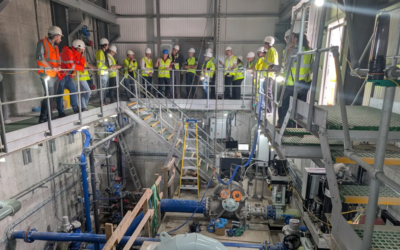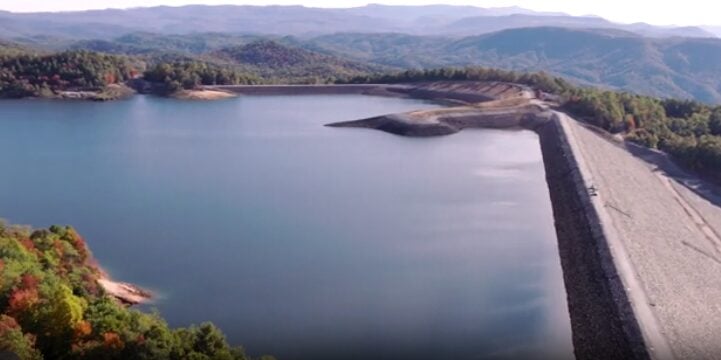
Major US utility company Duke Energy has submitted its final license application to the Federal Energy Regulatory Commission (FERC) to extend operation at the Bad Creek Pumped Storage Hydroelectric Station for an additional 50 years.
Located in Oconee County, South Carolina, Duke Energy says “Bad Creek is designed to produce significant amounts of energy when its customers need it most, performing a vital role as the largest ‘battery’ on the company’s system since 1991.”
In 2016, Duke planned to increase the energy storage capacity of Bad Creek by 200MW. The expansion was scheduled to start in 2021 and be completed in 2024.
At that time, the project’s capacity was 1,065MW. The utility has recently completed upgrades to the four units at the Bad Creek facility in Salem, South Carolina.
Try Premium for just $1
- Full premium access for the first month at only $1
- Converts to an annual rate after 30 days unless cancelled
- Cancel anytime during the trial period
Premium Benefits
- Expert industry analysis and interviews
- Digital access to PV Tech Power journal
- Exclusive event discounts
Or get the full Premium subscription right away
Or continue reading this article for free
According to the company, the upgrades added a total of 320MW of carbon-free energy to its system, increasing the total capacity of the station to 1,680MW.
Duke first received authorisation to construct and operate Bad Creek from FERC in 1977. The project license term will expire in 2027, so the utility is seeking relicensing. It does expect to receive a decision from FERC before the original license expires.
According to the US Energy Information Administration (EIA), the bulk of South Carolina’s electricity generation comes from nuclear energy. The state ranks third in the nation in nuclear power generating capacity and the amount of electricity generated by nuclear energy.
Duke Energy operates three nuclear plants in South Carolina. Together, the Oconee Nuclear Station, Robinson Nuclear Plant and Catawba Nuclear Station have a capacity of 5.6GWh.
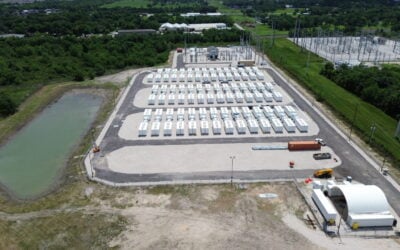
In 2023, Duke Energy brought online an 11MW/11MWh BESS project, which, despite its modest size, was thought to be the largest project of its type in neighbouring North Carolina at the time.
In 2022, the utility filed its Carolinas Carbon Plan with the regulatory North Carolina Utilities Commission (NCUC). The plan included installing between 3,700MW and 5,900MW of energy storage across the Carolinas by 2035.